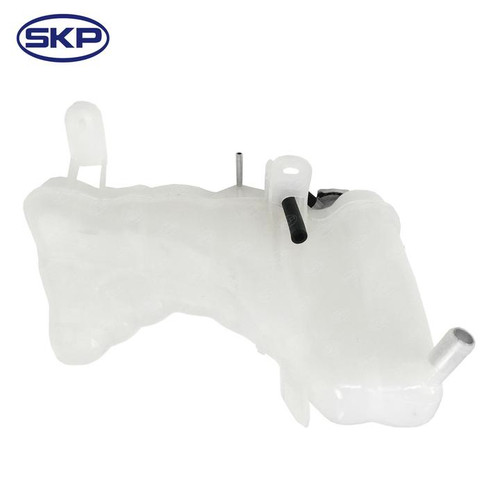
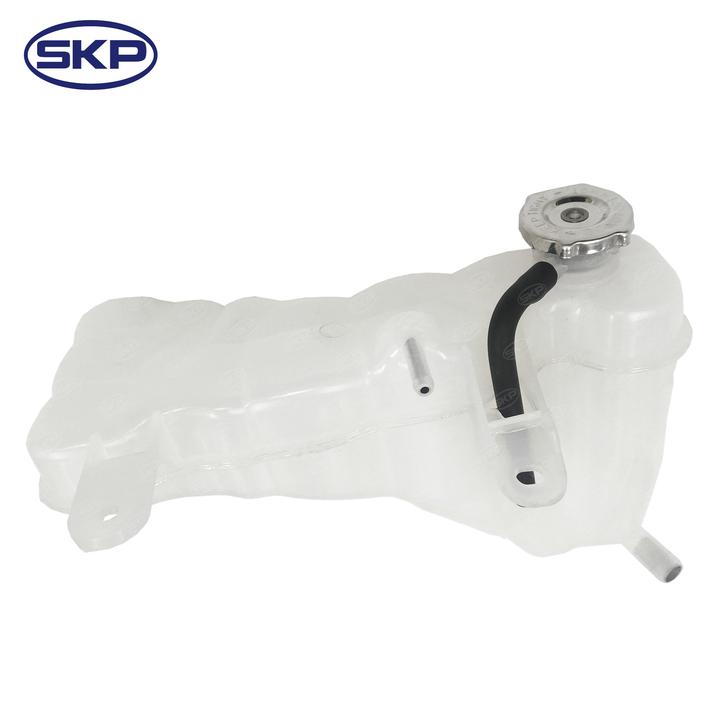
SKP Engine Coolant Reservoir P/N:SK603614
Keep tabs on coolant levels and help hold steady cooling-system pressure with the SKP Engine Coolant Reservoir SK603380 — a front-mounted 2011-2021 Dodge Charger 3.6L, 5.7L or 6.4L coolant reservoir that also drops into the 2011-2021 Chrysler 300 3.6L, 5.7L or 6.4L and the 2011-2021 Dodge Challenger 3.6L, 5.7L, 6.2L or 6.4L. It's a direct-fit replacement for the listed applications; see the "Vehicles it fits" section for the exact years and engines.
Signs the original may need replacing include cracks, coolant seepage around the tank, or an inability to hold system pressure. Made in China.
Interchange: 603-380
603380 · 55111260AB · 55111260AC · 55111260AD · 55111260AE · 55111260AF
This part cross-references / interchanges with the following part numbers:
What vehicles does this SKP coolant reservoir fit?
It's a direct fit for the 2011-2021 Chrysler 300 and 2011-2021 Dodge Charger with the 3.6L, 5.7L or 6.4L, and the 2011-2021 Dodge Challenger with the 3.6L, 5.7L, 6.2L or 6.4L, in select configurations. See the "Vehicles it fits" section.
What does this coolant reservoir do?
It stores and contains engine coolant and helps maintain proper cooling-system pressure as part of the vehicle's cooling system.
How do I check the coolant level with this reservoir?
It has a translucent design with clear level markings, so you can visually check the coolant level at a glance.
Is this a 2011-2021 Chrysler 300 3.6L, 5.7L or 6.4L coolant reservoir too?
Yes. This coolant tank fits the 2011-2021 Chrysler 300 with the V6-3.6L and V8-5.7L, and the 2012-2014 Chrysler 300 with the V8-6.4L.
How do I know when the reservoir needs replacing?
Common signs include visible cracks, coolant seepage around the tank, or the cooling system failing to hold pressure. Diagnose the source of any coolant loss before replacing, as other parts can leak too.
No reviews yet — be the first to review this product.
Write a Review
WARNING: These products can expose you to chemicals including lead and phthalates, which are known to the State of California to cause cancer and birth defects or other reproductive harm. For more information go to www.P65Warnings.ca.gov.