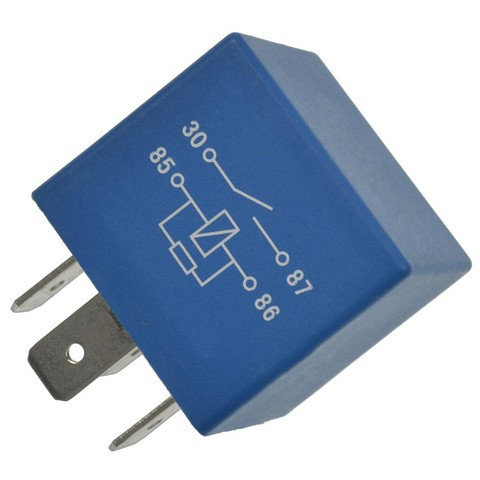
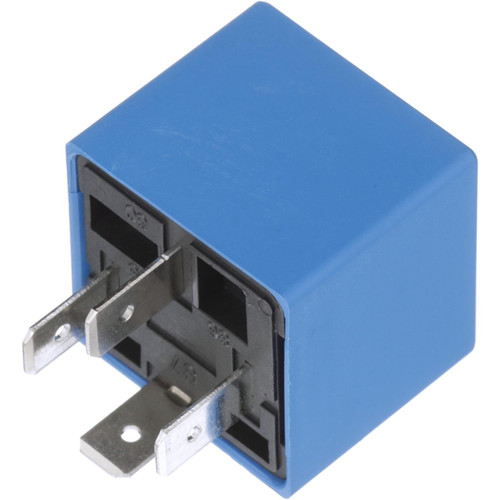
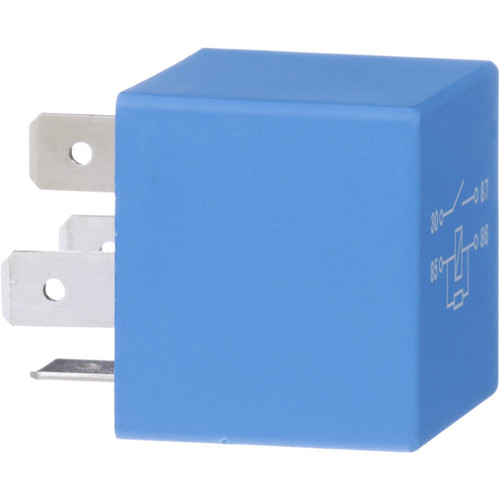
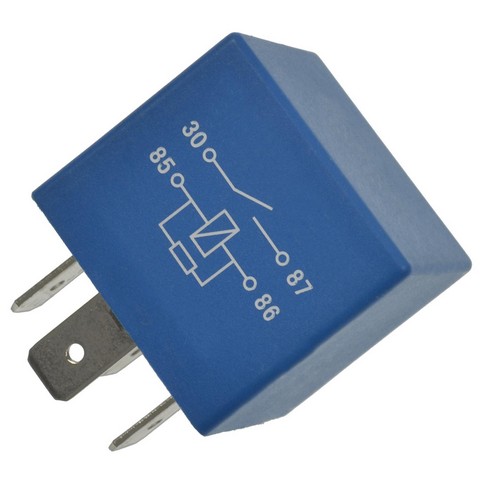
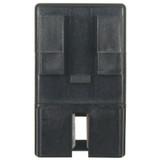
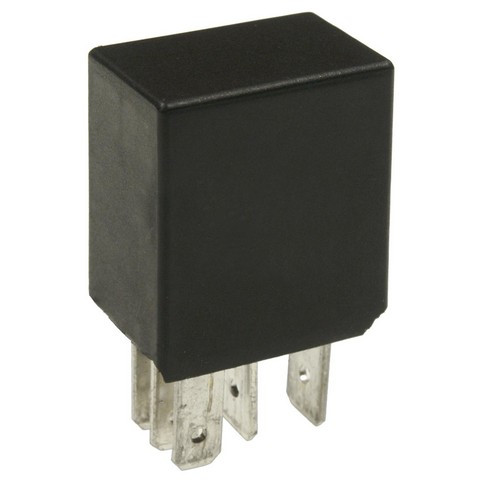
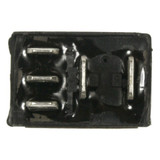
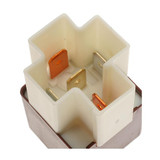
Standard Ignition A/C Condenser Fan Motor Relay,ABS Relay,HVAC Blower Motor Relay,Ignition Relay P/N:RY-592
$14.99
(You save)
Keep the switched circuits clicking on cue with the Standard Ignition Relay RY-592 — an electromagnetic switch that uses a low-current control signal to open and close a higher-current circuit. It's cataloged for several roles depending on the application, serving A/C condenser fan motor, ABS, HVAC blower motor, and ignition relay circuits. It installs as a direct-fit replacement for the listed applications, including the 2010 Audi TT, 2006-2010 Hyundai Accent, 2000-2006 and 2008-2012 Hyundai Elantra, 2009-2010 Hyundai Genesis, 2001-2006 Hyundai Santa Fe, 2006-2011 Kia Rio, and 1994-1995 and 1997 Land Rover Defender 90 — see the Buyer's Guide tab for the full list.
How it works: a small control signal energizes the coil to switch the larger load, letting a low-current circuit command a higher-current device.
Multi-circuit application: listed for A/C condenser fan motor, ABS, HVAC blower motor, and ignition relay duty depending on the vehicle.
Signs it may need replacing: the controlled circuit works intermittently or not at all, or you hear buzzing/chattering at the relay.
Diagnose the circuit first; if a failed relay is the cause, RY-592 replaces it. Manufacturer part number RY-592 (also RY592).
Frequently Asked Questions
What does the RY-592 relay do?
It's an electromagnetic switch that uses a low-current control signal to open and close a higher-current circuit. It's cataloged for A/C condenser fan motor, ABS, HVAC blower motor, and ignition relay applications.
Which vehicles does the RY-592 fit?
Listed applications include the 2010 Audi TT, 2006-2010 Hyundai Accent, 2000-2006 and 2008-2012 Hyundai Elantra, and 2006-2011 Kia Rio. See the Buyer's Guide tab for the full list.
What are signs this relay may need replacing?
The circuit it controls may operate intermittently or stop working, or you may hear buzzing or chattering at the relay. Diagnose the circuit first, since these symptoms can have other causes.
Where is this relay installed?
Relays like this typically mount in the vehicle's fuse/relay box or power distribution center. Consult your vehicle service information for the exact location on your application.
Is this relay sold individually?
Yes, this listing is for one relay. If your application uses more than one relay in the circuit, order the quantity your vehicle requires.
Write a Review
STANDARD MOTOR PRODUCTS
Standard Ignition A/C Condenser Fan Motor Relay,ABS Relay,HVAC Blower Motor Relay,Ignition Relay P/N:RY-592
Keep the A/C compressor, blower motor, and ignition circuits switching reliably with the Standard Ignition Relay RY-146. This part is cataloged under several names — A/C Compressor Control Relay /...
WARNING:
These products can expose you to chemicals including lead and phthalates, which are known to the State of California to cause cancer and birth defects or other reproductive harm. For more information go to
www.P65Warnings.ca.gov.