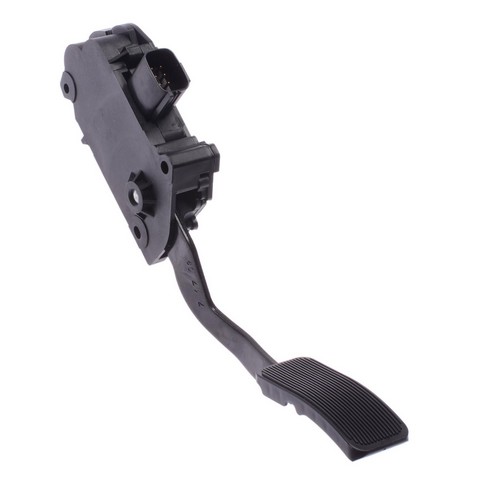
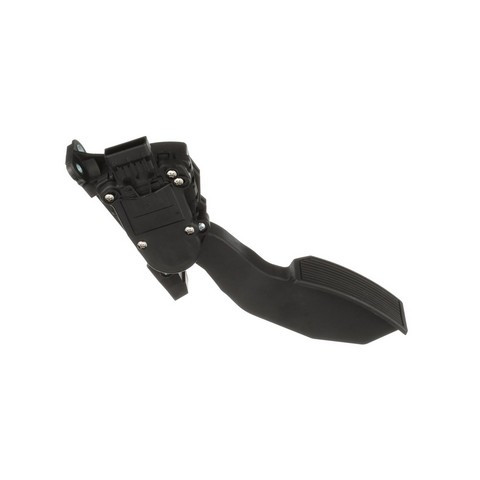
Standard Ignition APS260 accelerator pedal sensor for the 2004-2010 Ford Explorer and other vehicles sends pedal position data to the ECU.
- Pedal position signal for precise throttle control in all driving conditions
- Made to integrate with the electronic throttle control system
- Polyamide 6 material with a black finish
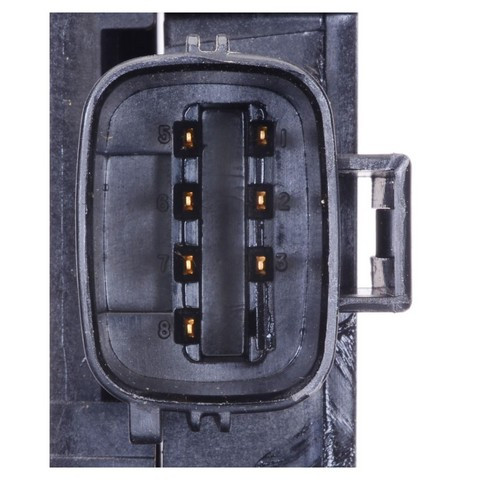
- Oval female plug-in connector with seven male blade terminals
- Pedal assembly included, floor mounted with a bolt-on attachment
Quick facts
- Part: Standard Ignition APS260 accelerator pedal sensor
- Fits: 2004-2010 Ford Explorer and other vehicles
- Material: Polyamide 6
- Condition: New
Uneven throttle response, hesitation or a warning light can mean a pedal sensor is wearing out. Before replacing it, look over the connector and wiring with the engine off for damage, corrosion or a loose fit, since a poor connection can act like a bad sensor. The accelerator pedal has one sensor.
Fits
This sensor is a direct-fit replacement for the 2004-2010 Ford Explorer, the 2007-2010 Ford Explorer Sport Trac and the 2004-2010 Mercury Mountaineer.
Specifications
Fit and size
- Quantity per vehicle: 1
- Connector: 1 female, oval, plug-in
- Terminals: 7 male blade
- Mounting: floor mounted, bolt-on
- Pedal assembly: included
Build and materials
- Material: Polyamide 6
- Color: Black
- Condition: New
- Country of origin: Mexico
In the box
One accelerator pedal sensor with the pedal assembly. Mounting hardware and the mounting bracket are not included, and hardware is required, so plan on new bolts.
Interchange: 2-80159
PPS1159 · SU10247 · 4L2Z9F836BA · 7L2Z9F836D · EL2Z9F836A
This part cross-references / interchanges with the following part numbers:
PPS1159, SU10247, 2-80159, 4L2Z9F836BA, 7L2Z9F836D, EL2Z9F836A
Frequently Asked Questions
Does the Standard Ignition APS260 fit the 2004-2010 Mercury Mountaineer?
Yes. Standard Ignition APS260 fits the 2004-2010 Mercury Mountaineer, and each one takes a single sensor.
Does this accelerator pedal sensor come with the pedal?
Yes, the pedal assembly is included. Mounting hardware and the mounting bracket are not, so you need to supply bolts.
How many terminals does the Standard Ignition APS260 connector have?
The APS260 has one oval, female plug-in connector with seven male blade terminals.
How can I tell if this pedal sensor is going bad?
Hesitation, uneven throttle response or a warning light can mean the sensor is failing, though other faults can look similar. A shop can read the codes with a scan tool.
Does the APS260 interchange with 4L2Z9F836BA?
Yes, 4L2Z9F836BA is on the interchange list for the Standard Ignition APS260 accelerator pedal sensor.