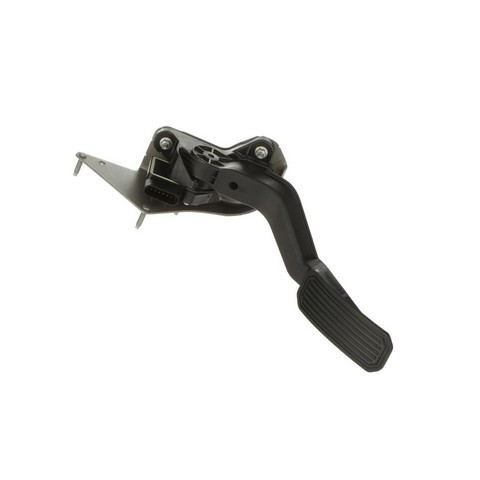
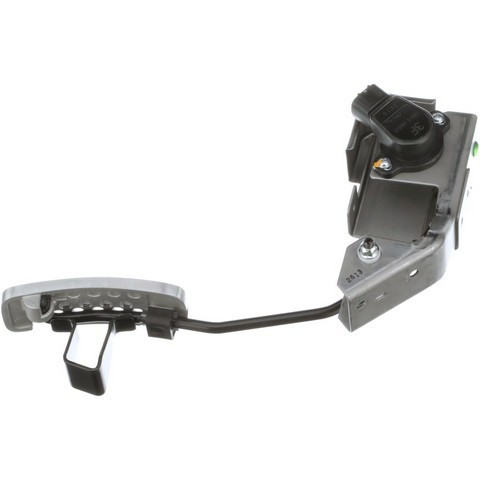
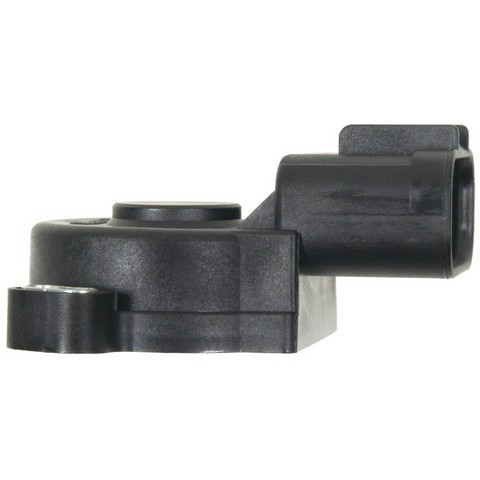
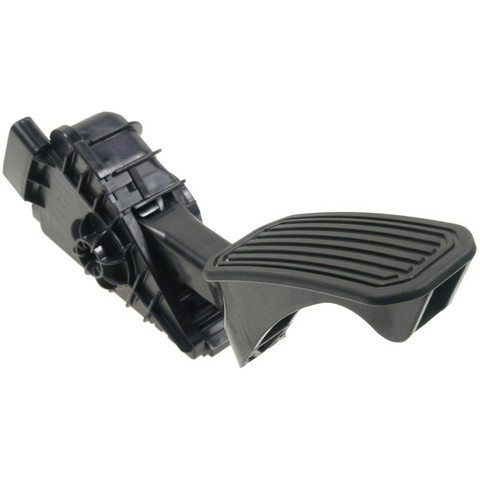
Standard Ignition APS303 accelerator pedal sensor for the 2010-2013 Ford Expedition and other vehicles reports pedal position to the electronic throttle control system. Pedal movement becomes an electrical signal that the system reads.
- Plug-in connector for easy installation
- Engineered to integrate with the electronic throttle control system
- Seven male blade terminals in one rectangular female connector
- Polyamide 6 material
Quick facts
- Part: Standard Ignition APS303 accelerator pedal sensor
- Fits: 2010-2013 Ford Expedition and other vehicles
- Material: Polyamide 6
- Condition: New
Hesitation, uneven throttle response or a check engine light can mean the pedal sensor is worn, though the pedal wiring connector or the throttle body can be behind the same signs, so find the cause before replacing anything.
Fits
It fits the 2010-2013 Ford Expedition and the 2010-2011 Lincoln Navigator, which take one sensor each. This listing is one sensor.
Specifications
Fit and size
- Quantity per vehicle: 1
- Mounting location: accelerator pedal
- Attachment method: bolt on
- Connector: 1 rectangular, female, plug-in
- Terminals: 7 male blade terminals
Build and materials
- Material: Polyamide 6
- Condition: New
- Country of origin: Canada
In the box
One accelerator pedal sensor with the pedal assembly. Mounting hardware and mounting brackets are not included, so plan on new bolts, since the old ones may not be reusable.
Interchange: 2-80202
PPS1203 · PPSD30016 · 7L1Z9F836D
This part cross-references / interchanges with the following part numbers:
PPS1203, PPSD30016, 2-80202, 7L1Z9F836D
Frequently Asked Questions
Is the Standard Ignition APS303 accelerator pedal sensor right for a 2010-2013 Ford Expedition?
Yes. Standard Ignition APS303 fits the 2010-2013 Ford Expedition, and the 2010-2011 Lincoln Navigator takes it as well.
Does this accelerator pedal sensor come with the pedal assembly?
Yes. Standard Ignition APS303 comes with the pedal assembly. Mounting hardware and mounting brackets are not included.
How many terminals are in the connector on this accelerator pedal sensor?
The plug-in connector is rectangular and female, with seven male blade terminals.
What does a worn accelerator pedal sensor feel like when driving?
Hesitation, uneven throttle response or a warning light can be signs. A shop can test the sensor.
Does APS303 replace number 7L1Z9F836D?
Yes. 7L1Z9F836D is one of the numbers the Standard Ignition APS303 accelerator pedal sensor replaces.