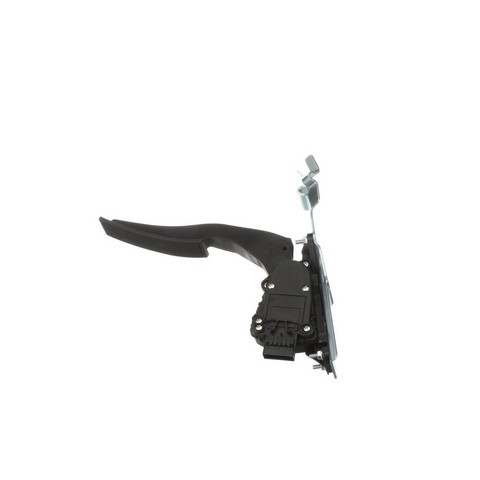
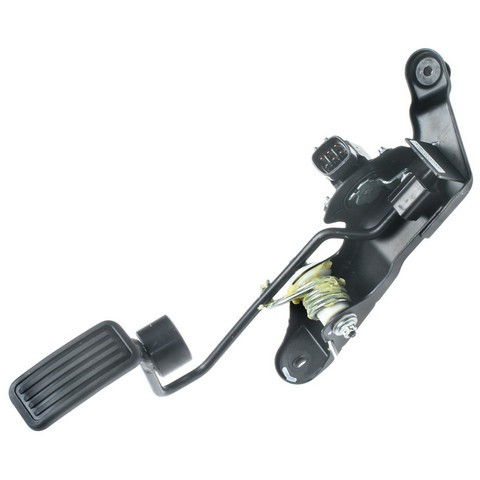
Standard Ignition Accelerator Pedal Sensor P/N:APS176
Standard Ignition APS307 accelerator pedal sensor for the 2011-2017 Hyundai Accent and other vehicles reports pedal position to the electronic throttle control system. Its signal accuracy is designed and tested to match OE standards.
Hesitation, uneven throttle response or a warning light can mean the sensor is worn, though the throttle body or its wiring connector can also be behind them, so rule those out first. This listing is one sensor; the 2011-2017 Hyundai Accent takes one.
It is engineered for the electronic throttle control system on the 2011-2017 Hyundai Accent and the 2012-2017 Kia Rio.
Fit and size
Build and materials
One accelerator pedal assembly with the sensor and its mounting bracket. Mounting hardware is not included and the linkage is not attached, so plan on new bolts, since the old ones may not be reusable.
Is the Standard Ignition APS307 accelerator pedal sensor right for a 2011-2017 Hyundai Accent?
Yes. Standard Ignition APS307 fits the 2011-2017 Hyundai Accent, and it also fits the 2012-2017 Kia Rio.
Does the APS307 come with the pedal and mounting bracket?
Yes. Standard Ignition APS307 includes the accelerator pedal assembly and its mounting bracket. Mounting hardware is not included and the linkage is not attached.
How many terminals does this accelerator pedal sensor connector have?
The connector is a female rectangular plug-in type with six male blade terminals. There is one connector.
Can a hesitating throttle come from a worn accelerator pedal sensor?
It can. Hesitation or uneven throttle response can mean the sensor is worn, and a shop can test the sensor circuit to confirm.
Is the signal accuracy of the Standard Ignition APS307 tested?
Yes. Standard Ignition APS307 is designed and tested to match OE standards for signal accuracy.
No reviews yet — be the first to review this product.
Write a Review
WARNING: These products can expose you to chemicals including lead and phthalates, which are known to the State of California to cause cancer and birth defects or other reproductive harm. For more information go to www.P65Warnings.ca.gov.