
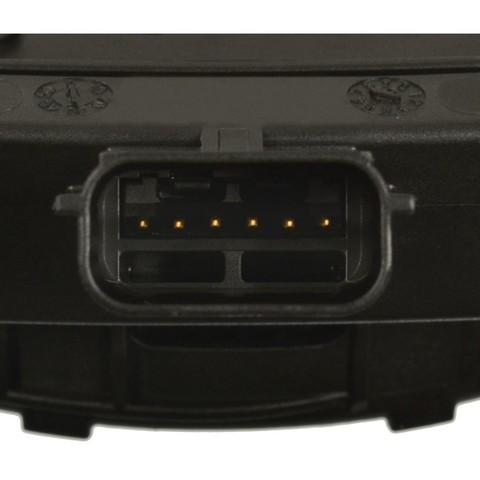



Standard Ignition Accelerator Pedal Sensor P/N:APS481
Standard Ignition APS612 accelerator pedal sensor for the 2012-2018 Ram 1500 and other vehicles converts pedal travel into an electrical signal.
Signs that can point to a worn accelerator pedal sensor include hesitation when you press the pedal, a throttle that responds unevenly or a warning light. A damaged wiring connector is another common source of these signs, so they alone do not prove this sensor is the problem.
This sensor is listed for a wide range of Ram models, including the 2012-2018 Ram 2500 and the 2013-2018 Ram 3500. This listing is one sensor, and the 2012-2018 Ram 1500 takes one. If your truck is not named here, look it up in the "Vehicles it fits" section.
Fit and size
Build and materials
Interchange: 2-80512
PPS1512 · 68044317AB · 68044317AC · 68044317AD · PPSB10238
This part cross-references / interchanges with the following part numbers:
Is this the Ram 1500 accelerator pedal sensor for the 2012-2018 model years?
Yes. Standard Ignition APS612 is listed for the 2012-2018 Ram 1500, and you can look up any other Ram in the "Vehicles it fits" section.
How many pins does the APS612 connector have?
The connector is a rectangular, female plug-in type with six male pin terminals, and the listing includes one connector.
Does APS612 interchange with number 68044317AB?
Yes. 68044317AB is one of the numbers Standard Ignition APS612 replaces, along with 68044317AC and 68044317AD.
What might I notice when an APS612 accelerator pedal sensor starts to fail?
A worn sensor can show up as hesitation when pressing the pedal, an unresponsive throttle or a warning light. A shop can test the pedal circuit with the right equipment.
Does this accelerator pedal sensor get end-of-line testing?
Yes. This sensor goes through end-of-line testing that validates precise voltages for reliable, trouble-free operation.
No reviews yet — be the first to review this product.
Write a Review
WARNING: These products can expose you to chemicals including lead and phthalates, which are known to the State of California to cause cancer and birth defects or other reproductive harm. For more information go to www.P65Warnings.ca.gov.