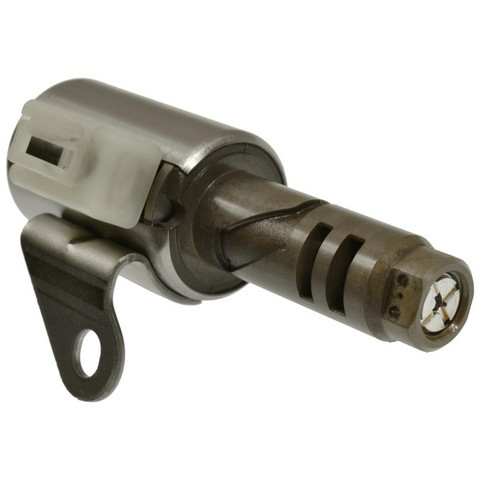
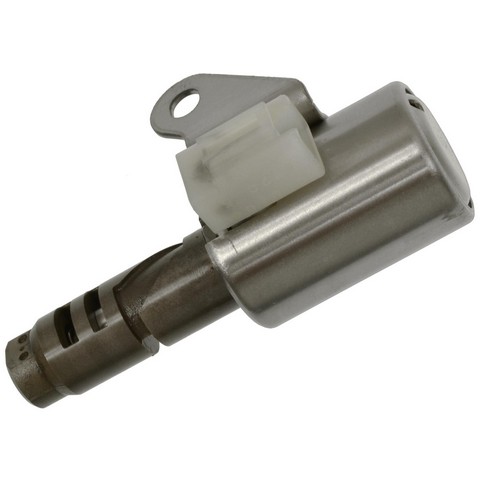
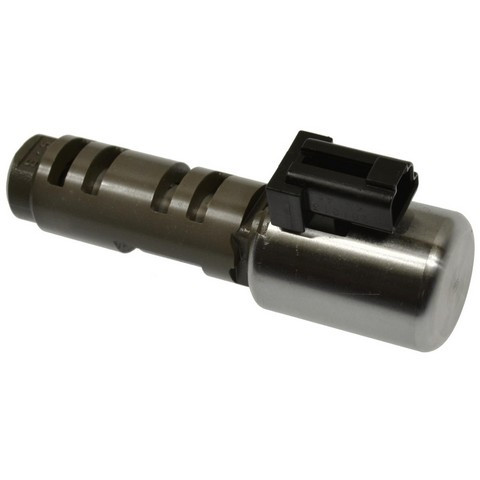
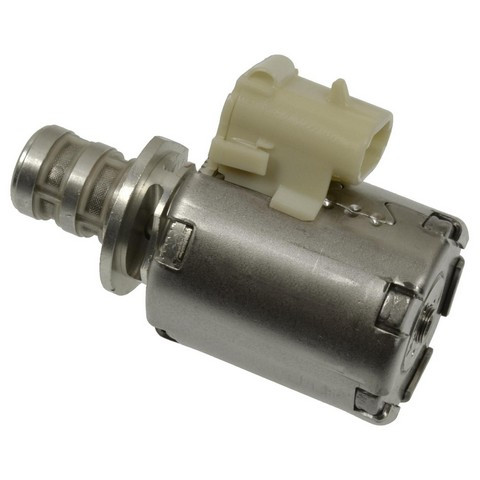
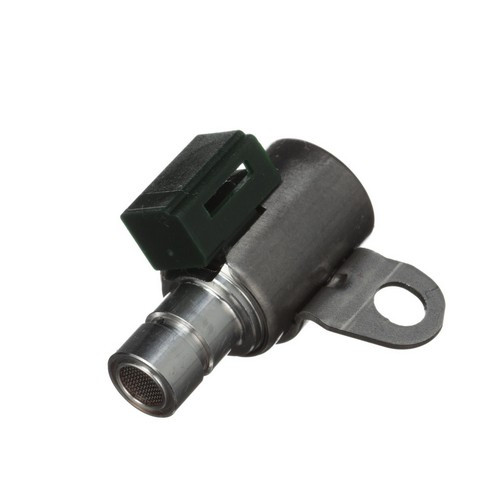
Keep automatic shifts crisp with the Standard Ignition Automatic Transmission Control Solenoid (TCS296), a direct-fit replacement for the 2000-2005 Toyota Celica [All], 2004-2005 Toyota Corolla [All], and 2004-2005 Toyota Matrix [All]. This solenoid regulates hydraulic fluid pressure inside the transmission's valve body on command from the control module — if a failed original solenoid is the cause of harsh, erratic, or delayed shifting, this replaces it.
- 100% copper winding: supports positive valve actuation on command.
- Precision-ground pintle: moves freely to block or vent fluid pressure.
- Stainless steel filter screen: helps keep contamination away from the valve components.
- OE-matched resistance and inductance: for proper fit, form, and function.
Built with a square connector and two male blade terminals (push-on attachment), it ships with mounting bracket(s). No gaskets, wiring harness, or additional hardware are included — consult the vehicle service information for the correct fasteners and whether they may be reused. Because shift-quality symptoms can have several causes, diagnose the fault before replacing. Country of origin: Taiwan.
Interchange: TCS219 · TCS839 · 3529052020
This part cross-references / interchanges with the following part numbers:
TCS219, TCS839, TCS296, 3529052020