
Standard Ignition Automatic Transmission Fluid Temperature Sensor P/N:TX299
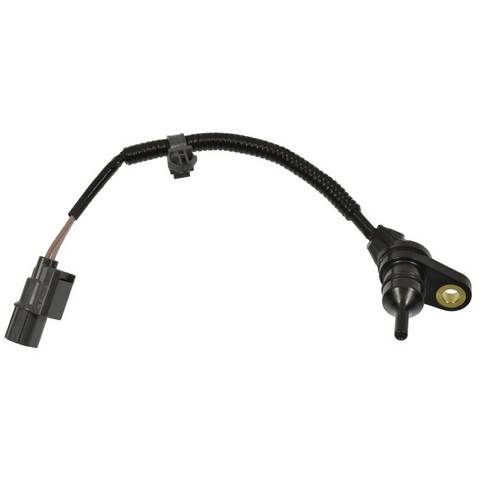
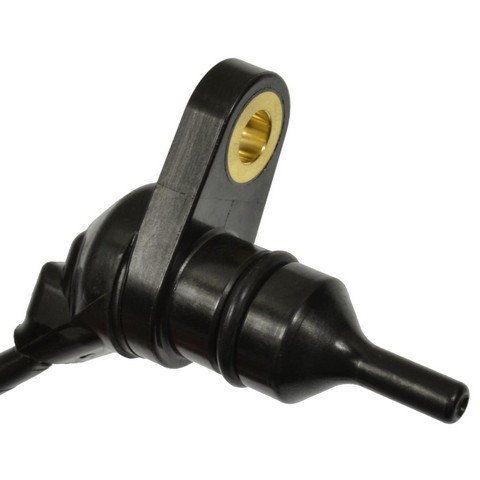
Standard Ignition TX253 auto trans oil temperature sensor for the 2009-2015 Honda Pilot and other vehicles sends the transmission oil temperature to the vehicle's computer. It is a direct-fit replacement for damaged OE units.
A temperature reading that looks wrong or a transmission warning light can mean the sensor is worn, though the harness connector or the transmission control module can be behind the same signs.
This sensor is listed for a wide range of Honda and Acura models, led by the 2009-2015 Honda Pilot, the 2009-2014 Honda Ridgeline and the 2007-2012 Acura RDX, and each takes one. Open the Buyer's Guide tab to check your exact model and engine.
Fit and size
Build and materials
One auto trans oil temperature sensor with its wiring harness. A dust shield and splice connectors are not included.
Is the Standard Ignition TX253 right for a 2009-2015 Honda Pilot?
Yes. The Standard Ignition TX253 is listed for the 2009-2015 Honda Pilot, which takes one sensor; open the Buyer's Guide tab to check another model.
Does this auto trans oil temperature sensor come with its wiring harness?
Yes, this auto trans oil temperature sensor includes its wiring harness, which is 6.88 in long; a dust shield and splice connectors are not included.
What connector does the TX253 sensor use?
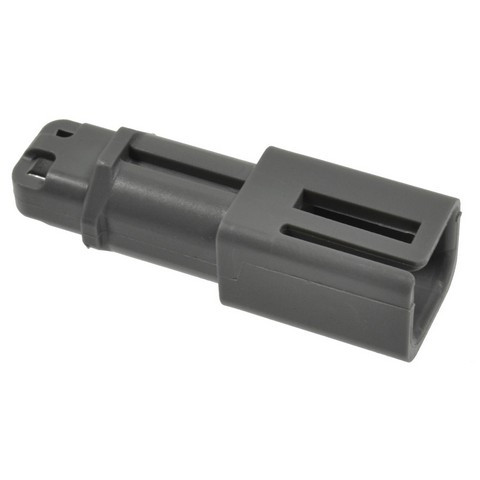
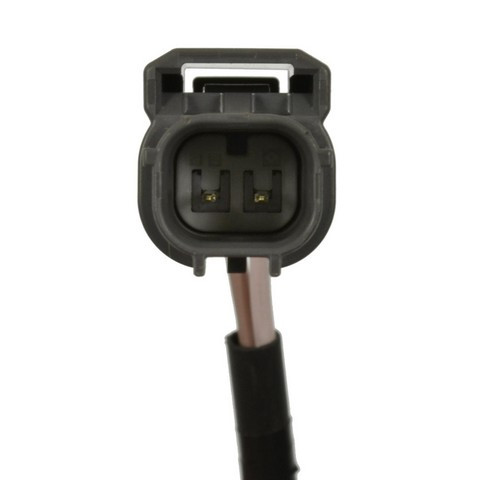
The Standard Ignition TX253 has a rectangular female plug-in connector with two male blade terminals, and its voltage is 12 V.
Is this auto trans oil temperature sensor water resistant?
No. The Standard Ignition TX253 is listed as not water resistant and not weatherproof sealed.
What are the conductors in this transmission temperature sensor made of?
The conductors are a copper alloy, which gives low resistive losses. The contact terminals are metal and the sensor material is plastic.
WARNING: These products can expose you to chemicals including lead and phthalates, which are known to the State of California to cause cancer and birth defects or other reproductive harm. For more information go to www.P65Warnings.ca.gov.