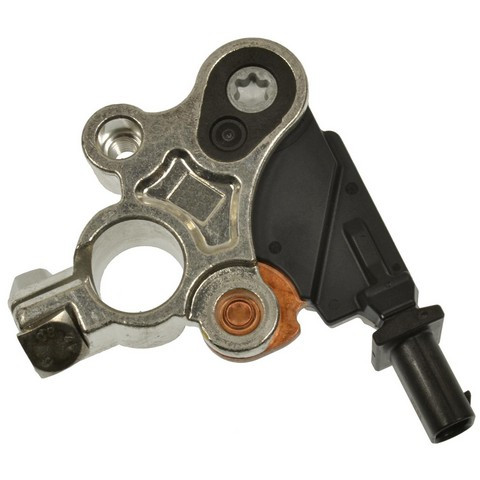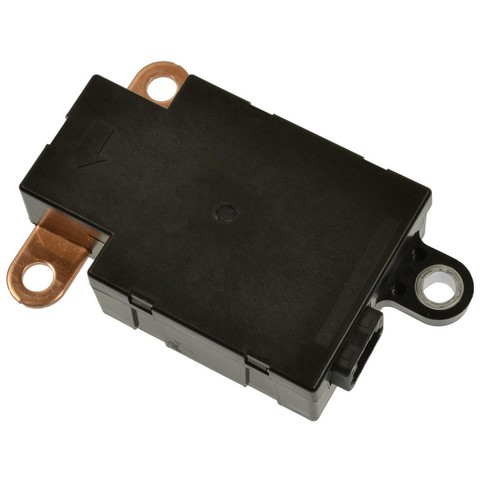
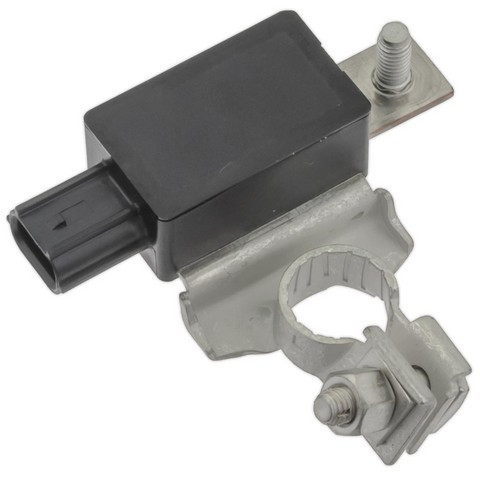
Standard Ignition Battery Current Sensor P/N:BSC144
Standard Motor Products
Standard Ignition BSC14 sensor for the 2006-2011 Honda Civic 4-cylinder 1.3L monitors battery charge and discharge. Also sold as a battery current sensor or intelligent battery sensor (IBS), it reports to the vehicle's battery management system (BMS).
A failing battery sensor can show up as a battery warning light or charging that seems off. Before replacing it, look over the plug and terminals with the engine off for corrosion or a loose fit, because a wiring or battery fault can look much the same.
This sensor is a direct-fit OE replacement for the 2006-2011 Honda Civic 4-cylinder 1.3L, which takes one. This listing is a single sensor.
Fit and size
Build and materials
Interchange: CTB16 · SU14779 · SBC15 · 1K530RMX003 · 1K530RMX013
This part cross-references / interchanges with the following part numbers:
Does the Standard Ignition BSC14 fit a 2006-2011 Honda Civic 4-cylinder 1.3L?
Yes. Standard Ignition BSC14 is a direct-fit OE replacement for the 2006-2011 Honda Civic 4-cylinder 1.3L, and that car takes one sensor.
What kind of connector does the BSC14 battery sensor have?
Standard Ignition BSC14 has one square, plug-in female connector with four male blade terminals.
Does a battery current sensor affect fuel efficiency or battery life?
This battery sensor's input to the vehicle computer lets charging voltage, idle speed and other parameters be adjusted, aimed at better fuel efficiency and longer battery life.
Can a bad battery current sensor turn on a charging warning light?
It can be, if the sensor is faulty. A shop can run the charging-system tests that need the engine running.
Does this sensor replace part number SU14779?
Yes. SU14779 is one of the numbers this sensor replaces, so it can be used to cross-reference against that part.
No reviews yet — be the first to review this product.
Write a Review
WARNING: These products can expose you to chemicals including lead and phthalates, which are known to the State of California to cause cancer and birth defects or other reproductive harm. For more information go to www.P65Warnings.ca.gov.