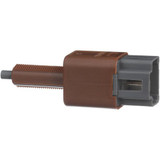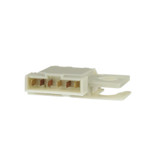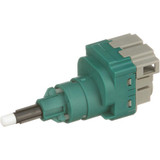
Standard Ignition Brake Light Switch P/N:SLS-388
Standard Motor Products
Keep your stoplights answering the brake pedal with this Standard Ignition switch, the SLS-300 Brake Light Switch / Stoplight Switch. It is listed under both names. It is cataloged as a direct-fit replacement for the 1951-1952 Chevrolet Bel Air. Its job is simple but important: it closes the circuit that turns on the stoplights when the brakes are applied, signaling following traffic that you are slowing down.
A robust design and high-grade materials are aimed at the stringent demands of today's service professional. Signs this switch may need replacing include:
Bulbs, wiring and connections can cause the same symptoms, so diagnose the circuit before replacing the switch. See the "Vehicles it fits" section for application details.
Interchange: 213703 · J213703 · S191 · SL129 · 1363959
Product information is for general reference and may contain errors. See our Disclaimer.
This part cross-references / interchanges with the following part numbers:
What does a brake light switch do?
It closes the stoplight circuit when the brakes are applied, turning on the brake lights. It opens the circuit again when the brakes are released.
What vehicle does the Standard Ignition SLS-300 fit?
It is cataloged for the 1951-1952 Chevrolet Bel Air. See the "Vehicles it fits" section for full application details.
What are signs of a failing stoplight switch?
Brake lights that never come on, stay on after the pedal is released, or work intermittently can be signs of a worn switch. Check bulbs and wiring first, since they can cause the same symptoms.
How is the SLS-300 tested?
Standard Ignition 100% tests its parts to verify both mechanical and electrical switching performance.
What numbers does the SLS-300 interchange with?
It interchanges with 213703, J213703, S191, SL129 and 1363959.
No reviews yet — be the first to review this product.
Write a Review
WARNING: These products can expose you to chemicals including lead and phthalates, which are known to the State of California to cause cancer and birth defects or other reproductive harm. For more information go to www.P65Warnings.ca.gov.