

Standard Ignition Disc Brake Pad Wear Sensor P/N:PWS128
Standard Ignition Disc Brake Pad Wear Sensor P/N:PWS128
$17.99


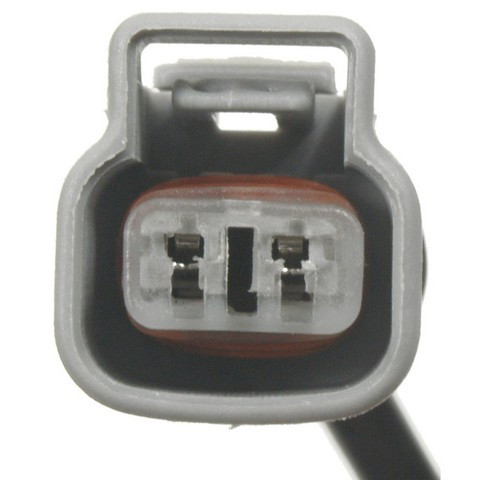
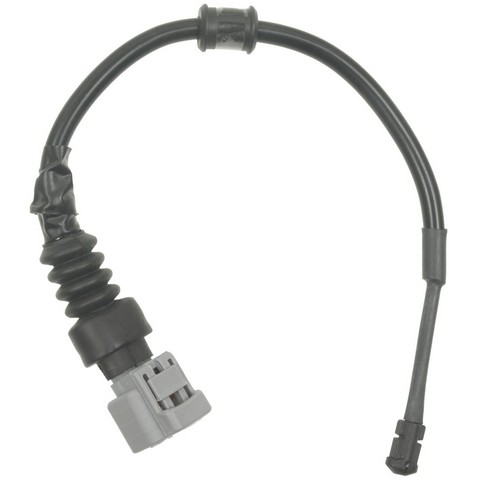
Keep an eye on rear brake pad life with the Standard Ignition Disc Brake Pad Wear Sensor PWS168. It installs as a direct-fit replacement for the rear position on the 1994-2000 Lexus LS400 (All engines), where the listed application uses two sensors.
A disc brake pad wear sensor monitors how much friction material remains on the pad. As the pad wears to its service limit, the sensor triggers the brake wear indicator so you know it's time to inspect and replace the pads before the backing plate contacts the rotor.
Signs this sensor or your pads may need attention include a brake wear warning light, or a persistent light after a pad change with the old sensor reused. This application uses two sensors, so order two for a complete rear replacement. If a worn or damaged wear sensor is the cause of your warning light, this replaces it.
What does this brake pad wear sensor do?
It monitors remaining rear brake pad friction material and triggers the brake wear indicator when the pad reaches its wear point, prompting inspection and replacement.
What vehicle does the PWS168 fit?
It is a direct-fit replacement for the rear position on the 1994-2000 Lexus LS400 (All engines). See the Buyer's Guide tab to confirm your vehicle.
How many sensors do I need?
The listed Lexus LS400 application uses two rear sensors. Order two for a complete rear replacement.
Is this a front or rear sensor?
This sensor is cataloged for the rear disc brakes on the listed application.
When should I replace the wear sensor?
It is best replaced whenever you renew the rear brake pads, or if the brake wear warning light stays on after a pad change with the old sensor reused.
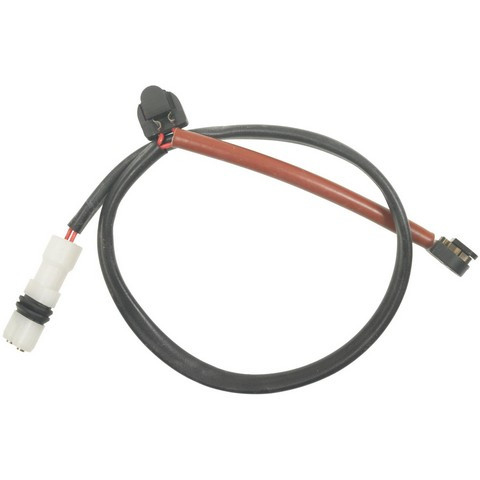




WARNING: These products can expose you to chemicals including lead and phthalates, which are known to the State of California to cause cancer and birth defects or other reproductive harm. For more information go to www.P65Warnings.ca.gov.
