
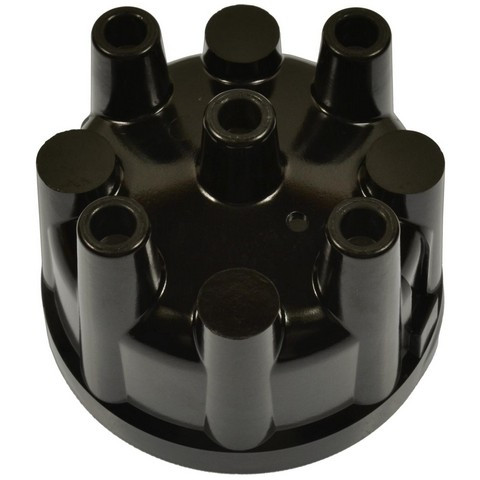
Standard Ignition Distributor Cap P/N:IH-443
Standard Motor Products
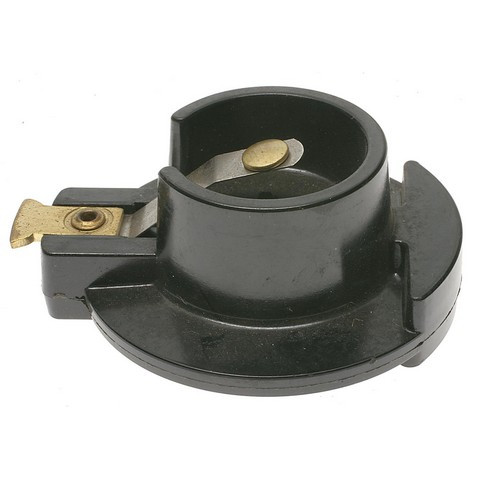
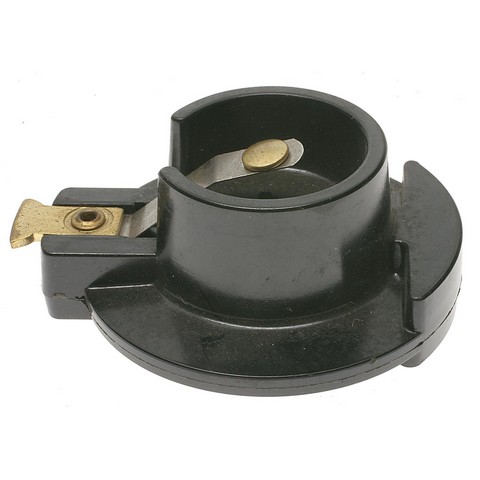
Keep spark moving from the coil to every cylinder with the Standard Ignition Distributor Rotor IH-319 (also written IH319). Riding on the distributor shaft, the rotor's segment sweeps past the cap terminals to route high-voltage spark to each plug in firing order — worn, carbon-tracked, or burned rotors are a common cause of misfire, rough running, and hard starting. It's a direct-fit replacement for the 1959 International B100, B102, B110, B112, B120, B122, B130 and B132; see the "Vehicles it fits" section for engine specifics.
Backed by decades of ignition research and development for dependable spark delivery.
Interchange: D142 · DR915 · FA81 · 12323513
Product information is for general reference and may contain errors. See our Disclaimer.
This part cross-references / interchanges with the following part numbers:
What does a distributor rotor do?
It mounts on the distributor shaft and spins so its segment passes each cap terminal, routing high-voltage spark from the coil to the correct spark plug in firing order.
Which vehicles does the IH-319 fit?
It's a direct-fit replacement for the 1959 International B100, B102, B110, B112, B120, B122, B130 and B132. Check the "Vehicles it fits" section to confirm your vehicle.
What are the signs a distributor rotor may need replacing?
Carbon tracking, burned or corroded segments, misfires, rough running, or hard starting can indicate a worn rotor. Diagnose the cause before replacing.
What is the rotor made of?
It uses a high-grade dielectric alkyd body that resists dirt sticking to decrease carbon tracking, with a solid brass segment for better conductivity.
What numbers does this rotor interchange with?
It replaces D142, DR915, FA81 and 12323513. Matching a listed cross-reference or your vehicle in the "Vehicles it fits" section confirms fit.
No reviews yet — be the first to review this product.
Write a Review
WARNING: These products can expose you to chemicals including lead and phthalates, which are known to the State of California to cause cancer and birth defects or other reproductive harm. For more information go to www.P65Warnings.ca.gov.