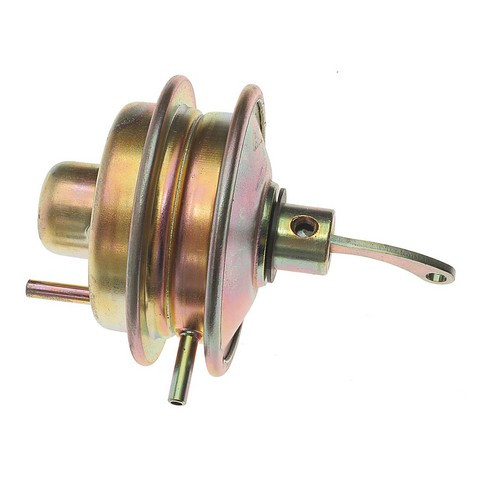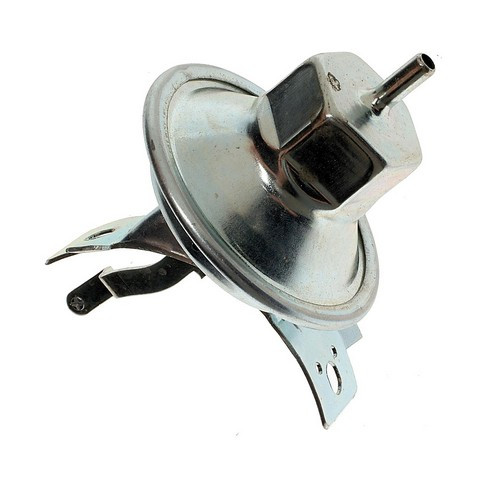
Standard Ignition Distributor Vacuum Advance P/N:VC-236
If a leaking or tired vacuum advance is the problem, the Standard Distributor Vacuum Advance Control VC-187 replaces it. It uses engine vacuum to advance ignition timing at the distributor as operating conditions change, and it is a direct-fit replacement for the listed applications. It fits many vehicles, among them the 1972-1973 Dodge Charger and 1972-1973 Plymouth Road Runner. See the Buyer's Guide tab for the full list of Chrysler, Dodge and Plymouth applications and engine details.
A vacuum advance that leaks or no longer responds to vacuum may be one cause of hesitation, sluggish throttle response or reduced fuel economy. Worn ignition parts, vacuum hoses and other engine faults can produce the same signs, so diagnose the cause before replacing the unit. If the original vacuum advance is at fault, the VC-187 replaces it on the listed vehicles.
Interchange: V341 · 3656310 · 3656605 · CV3028 · VC3028
This part cross-references / interchanges with the following part numbers:
What does a distributor vacuum advance do?
It uses engine vacuum to advance ignition timing at the distributor as operating conditions change. The Standard VC-187 is calibrated for correct ignition advance.
Is the VC-187 tested for leaks?
Yes. Units are tested at 30HG maximum vacuum to confirm they do not leak.
Which vehicles does the VC-187 fit?
It fits many Chrysler, Dodge and Plymouth models, including the 1972-1973 Dodge Charger. See the Buyer's Guide tab for the full list.
What are signs a vacuum advance may need replacing?
A leaking or unresponsive unit may contribute to hesitation, sluggish response or poor fuel economy. Other ignition and vacuum faults cause similar signs, so diagnose the cause before replacing it.
Which part numbers does the VC-187 interchange with?
It interchanges with V341, 3656310, 3656605, CV3028 and VC3028.
WARNING: These products can expose you to chemicals including lead and phthalates, which are known to the State of California to cause cancer and birth defects or other reproductive harm. For more information go to www.P65Warnings.ca.gov.