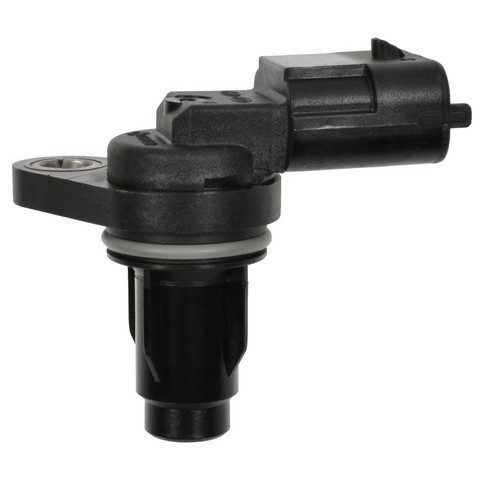

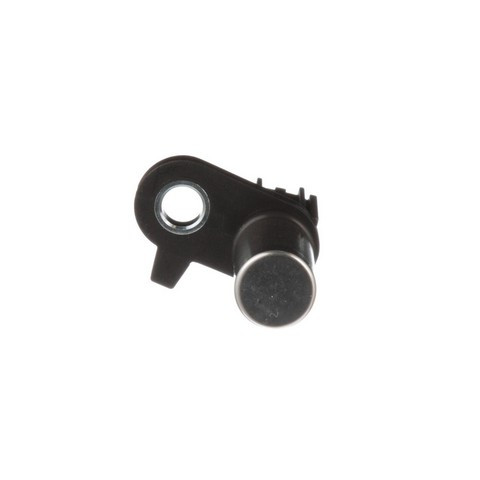
Standard Ignition Engine Camshaft Position Sensor P/N:PC889
Standard Ignition Engine Camshaft Position Sensor P/N:PC889
$69.99


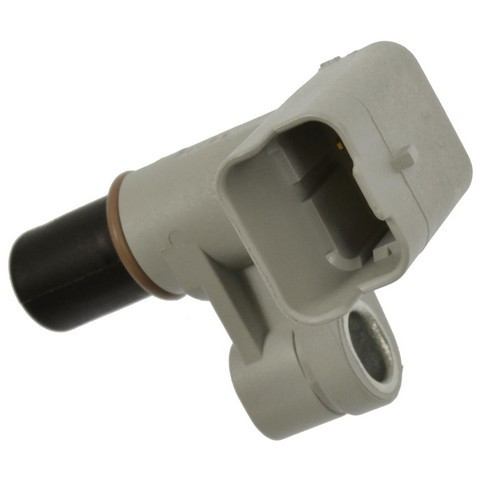
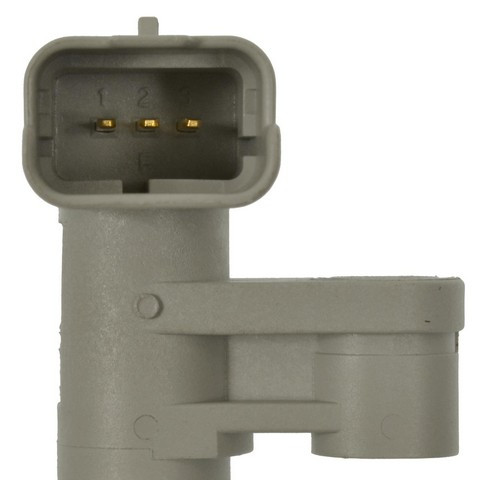
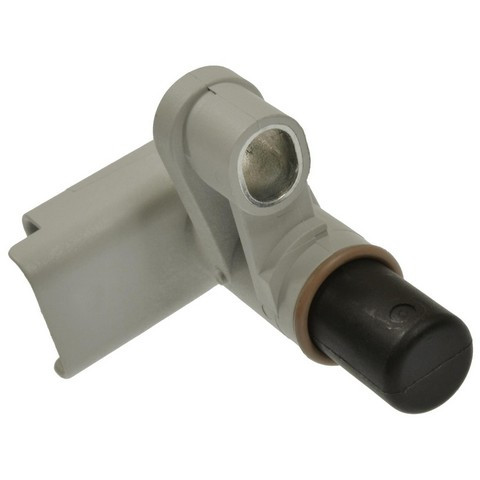

Standard Ignition PC1033 camshaft position sensor for the 2003-2005 Peugeot 307 4-cylinder 2.0L reports camshaft position to the engine computer. The computer uses that signal to help time ignition and fuel delivery.
A failing cam sensor can mean a long crank before the engine starts, rough running or a check engine light. A worn crankshaft position sensor, damaged wiring or a connector fault can also be behind these symptoms, so find the cause before buying a new sensor.
This sensor is a direct-fit replacement for the 2003-2005 Peugeot 307 4-cylinder 2.0L.
Fit and size
Build and materials
One camshaft position sensor. This listing is one sensor, and the 2003-2005 Peugeot 307 4-cylinder 2.0L takes one.
Interchange: 1920.8W
CSS2033 · CPSA680 · CSS1533
This part cross-references / interchanges with the following part numbers:
Does the Standard Ignition PC1033 fit the 2003-2005 Peugeot 307 4-cylinder 2.0L?
Yes. Standard Ignition PC1033 is listed for the 2003-2005 Peugeot 307 4-cylinder 2.0L, and the car takes one sensor.
How many terminals does the Standard Ignition PC1033 have?
Standard Ignition PC1033 has three male terminals, which is the connector detail to compare with your old sensor.
Is CPSA680 interchangeable with this camshaft position sensor?
Yes. CPSA680 is listed as an interchange number for this sensor, so a part marked CPSA680 is the one this replaces.
What symptoms can a worn camshaft position sensor cause?
A long crank before starting, rough running or a check engine light can mean the sensor is failing. A shop can read the stored codes to confirm.
How is the Standard Ignition PC1033 tested?
Every Standard Ignition PC1033 goes through 100% environmental, endurance and end-of-line testing that checks timing, pulse width and signal amplitude.
No reviews yet — be the first to review this product.
Write a Review


WARNING: These products can expose you to chemicals including lead and phthalates, which are known to the State of California to cause cancer and birth defects or other reproductive harm. For more information go to www.P65Warnings.ca.gov.
