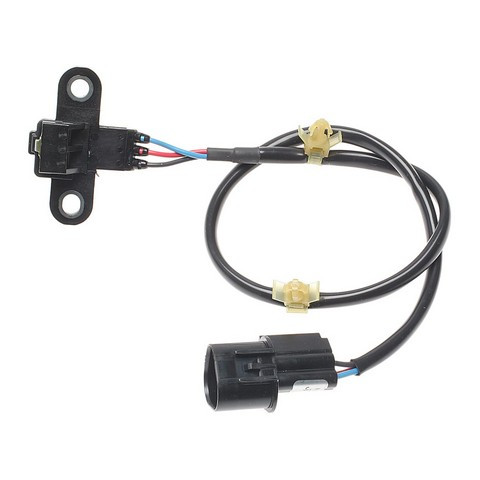

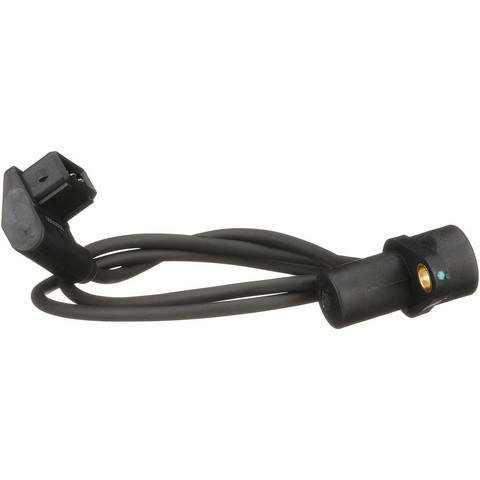
Standard Ignition Engine Crankshaft Position Sensor P/N:PC349
Standard Ignition Engine Crankshaft Position Sensor P/N:PC349. Fits: Mitsubishi Montero Sport.
$46.99


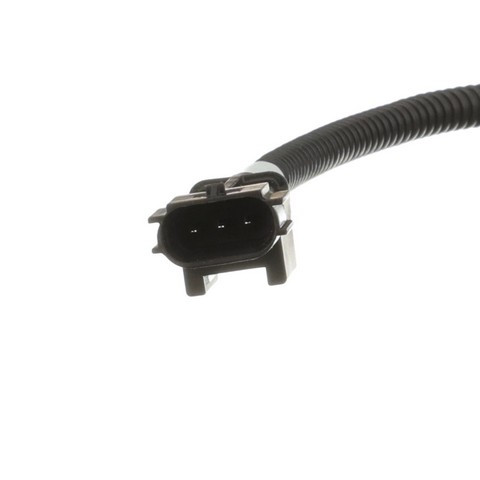


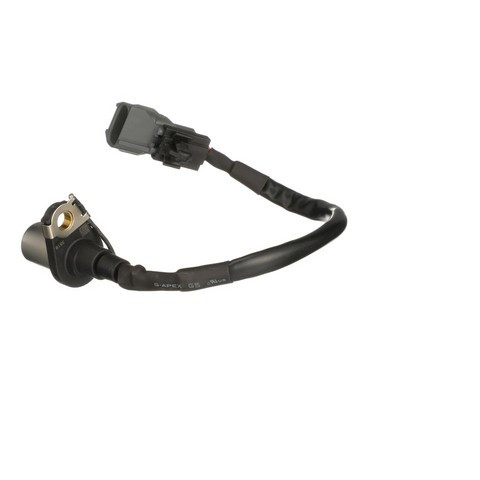
Standard Ignition PC1243 crankshaft position sensor for the 2020-2021 Hyundai Sonata 4-cylinder 1.6L and other vehicles tells the engine computer where the crankshaft is in its rotation. The Standard Ignition crankshaft position sensor passes that signal on for fuel and timing control.
A hard start, stalling or a lit check engine light can mean the crankshaft position sensor is worn, but a damaged wiring connector or a weak battery can look much the same, so sort out which one it is before buying.
Listed for a wide range of Hyundai and Kia models, this sensor is a crankshaft position sensor for the 2020-2022 Hyundai Accent 4-cylinder 1.6L and the 2020-2026 Hyundai Venue 4-cylinder 1.6L, among others. If your car is not named here, look up your own year and engine in the "Vehicles it fits" section.
Fit and size
Build and materials
This listing is one crankshaft position sensor, and a car calls for one.
Is this crank sensor right for a 2020-2021 Hyundai Sonata 4-cylinder 1.6L?
Yes. Standard Ignition PC1243 is listed for the 2020-2021 Hyundai Sonata 4-cylinder 1.6L. If you drive a different car, look up your year and engine in the "Vehicles it fits" section.
What kind of connector does the PC1243 crankshaft position sensor have?
Standard Ignition PC1243 has a plug-in female connector with three male blade terminals, and the sensor attaches with a bolt.
What testing does this crankshaft position sensor go through?
End-of-line testing checks timing, pulse width and signal amplitude. In-lab vibration and extreme temperature testing is also done.
What does the analog-to-digital converter in this sensor do?
The integrated analog-to-digital converter works with adaptive switch points for quick signal processing, so the engine computer can adjust fuel and timing.
Where is the Standard Ignition PC1243 sensor made?
Standard Ignition PC1243 lists China as its country of origin.
No reviews yet — be the first to review this product.
Write a Review


WARNING: These products can expose you to chemicals including lead and phthalates, which are known to the State of California to cause cancer and birth defects or other reproductive harm. For more information go to www.P65Warnings.ca.gov.
