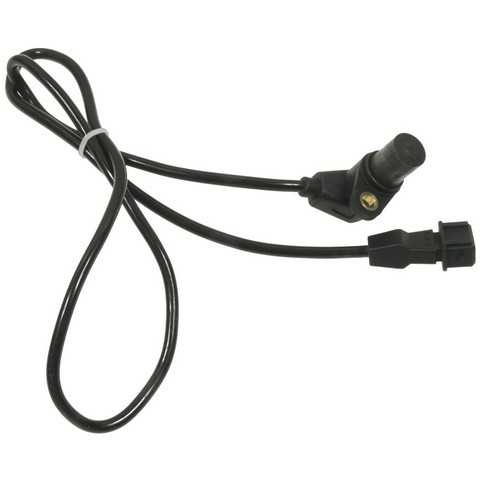
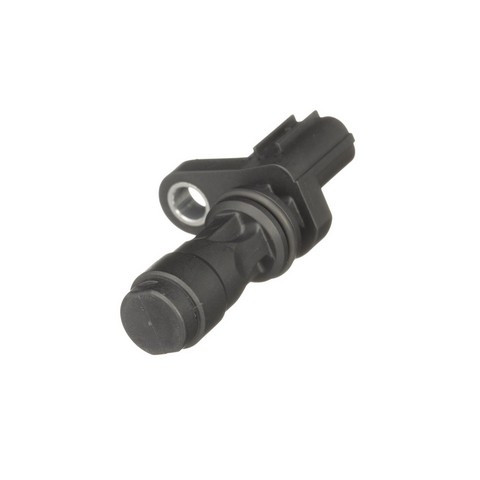
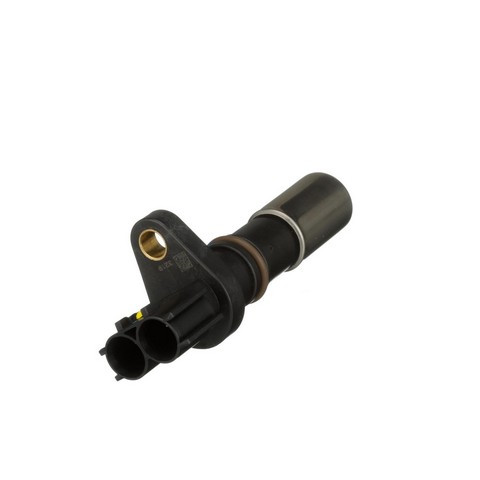
Standard Ignition Engine Crankshaft Position Sensor P/N:PC439
Standard Ignition Engine Crankshaft Position Sensor P/N:PC439
$31.99


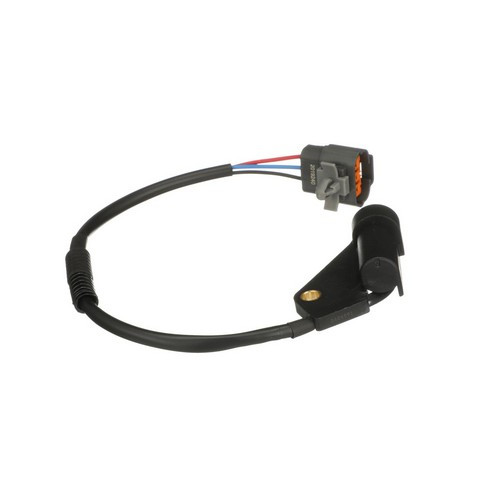

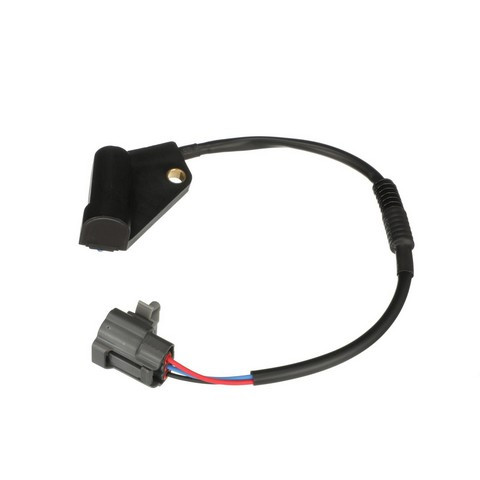
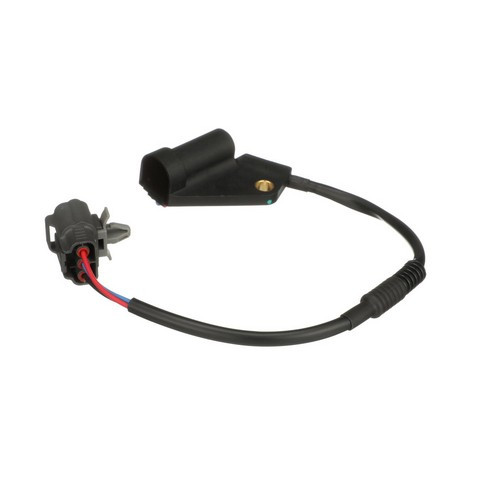


Keep spark and fuel timing dialed in on your 1999-2005 Mazda Miata with the Standard Ignition Engine Crankshaft Position Sensor (PC390). This crankshaft sensor monitors the rotation and position of the crankshaft and reports it to the engine control module, which uses that signal to time fuel delivery and ignition. It drops in as a direct-fit replacement for the 1999-2005 Mazda Miata and is specifically engineered for Mazda vehicles.
Signs the original crankshaft position sensor may need replacing include a no-start condition, intermittent stalling, hard starting, or a crank-position-related trouble code. If a failed sensor is the cause, replacing it with PC390 is intended to supply the correct signal to the ECM again.
Interchange: CSS835 · SU4350 · CSS9037 · BP4W18221A · BP4W18221B · J5T27071
This part cross-references / interchanges with the following part numbers:
What does the PC390 crankshaft position sensor do?
It monitors the crankshaft's rotation and position and sends that signal to the engine control module, which uses it to time fuel injection and ignition.
Will this sensor fit my vehicle?
PC390 is a direct-fit replacement for the 1999-2005 Mazda Miata. See the Buyer's Guide tab to confirm the fit for your specific vehicle.
What numbers does this sensor interchange with?
It cross-references CSS835, SU4350, CSS9037, BP4W18221A, BP4W18221B, and J5T27071.
What are signs a crankshaft position sensor may be failing?
Common signs include a no-start condition, hard starting, intermittent stalling, or a crank-position-related trouble code. Diagnose the cause before replacing.
How is this sensor tested for reliability?
It receives end-of-line testing for timing, pulse width, and signal amplitude, plus in-lab vibration and extreme-temperature testing.





WARNING: These products can expose you to chemicals including lead and phthalates, which are known to the State of California to cause cancer and birth defects or other reproductive harm. For more information go to www.P65Warnings.ca.gov.
