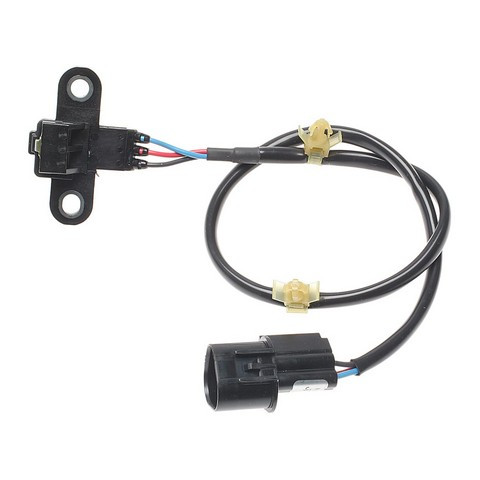

Standard Ignition Engine Crankshaft Position Sensor P/N:PC349
Standard Ignition Engine Crankshaft Position Sensor P/N:PC349. Fits: Mitsubishi Montero Sport.
$46.99


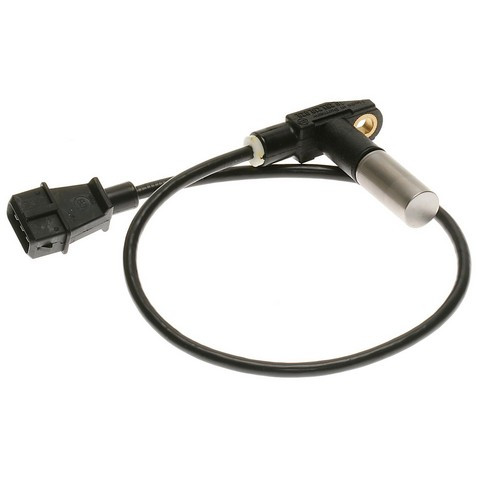


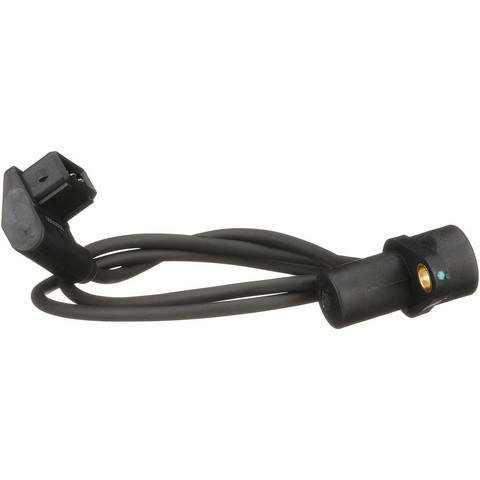
Standard Ignition PC441 crankshaft position sensor for the 1987-1990 BMW 325i 6-cylinder 2.5L and other vehicles reports crankshaft position and speed to the engine computer. The computer uses that signal to adjust fuel and timing.
Hard starting, stalling or a check engine light can be signs of a failing crankshaft position sensor. These signs alone do not prove the sensor is the problem, since a weak battery can cause some of them too.
This sensor fits the 1987-1990 BMW 325i 6-cylinder 2.5L, the 1987-1990 BMW 325is 6-cylinder 2.5L and the 1988-1990 BMW 325iX 6-cylinder 2.5L; each takes one.
Interchange: 02141713007 · CSS400 · 0261210028 · 261210028 · CPSB10100 · CSS9000
This part cross-references / interchanges with the following part numbers:
Is this crankshaft sensor right for the 1987-1990 BMW 325i 6-cylinder 2.5L?
Yes. Standard Ignition PC441 fits the 1987-1990 BMW 325i 6-cylinder 2.5L, and the car takes one sensor.
What kind of connector does the Standard Ignition PC441 have?
The Standard Ignition PC441 has a rectangular, plug-in female connector with three male blade terminals.
Is this Standard Ignition crankshaft position sensor tested for vibration and heat?
Yes. This crankshaft position sensor gets in-lab vibration and extreme temperature testing, plus end-of-line testing for timing, pulse width and signal amplitude.
How does this sensor help the engine computer adjust fuel and timing?
It has an integrated analog-to-digital converter and adaptive switch points, which allow quick processing of the crankshaft signal for fuel and timing adjustments.
Can a failing crank sensor make an engine hard to start?
It can. Hard starting, stalling or a check engine light are signs a crankshaft position sensor may be failing, and a shop can test it.
No reviews yet — be the first to review this product.
Write a Review


WARNING: These products can expose you to chemicals including lead and phthalates, which are known to the State of California to cause cancer and birth defects or other reproductive harm. For more information go to www.P65Warnings.ca.gov.
