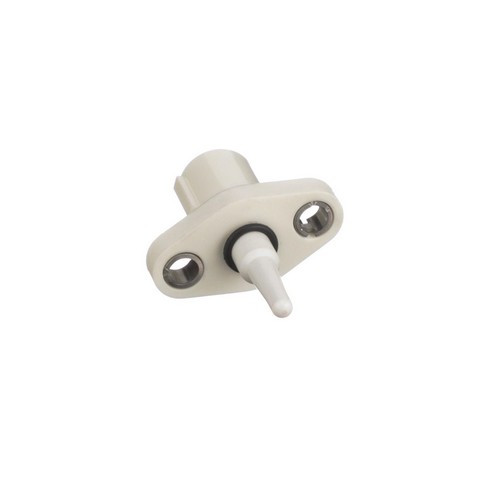

Standard Ignition Engine Intake Manifold Temperature Sensor P/N:AX42
Standard Ignition Engine Intake Manifold Temperature Sensor P/N:AX42
$31.99


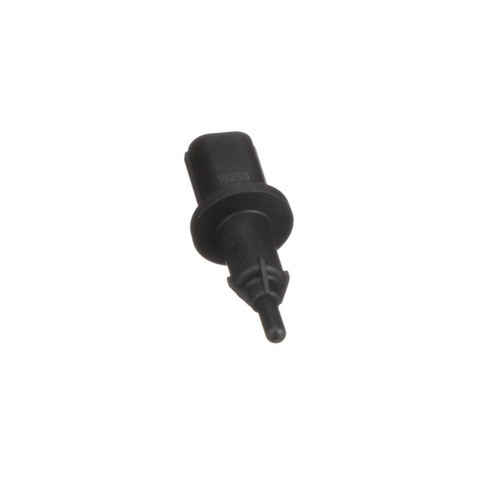


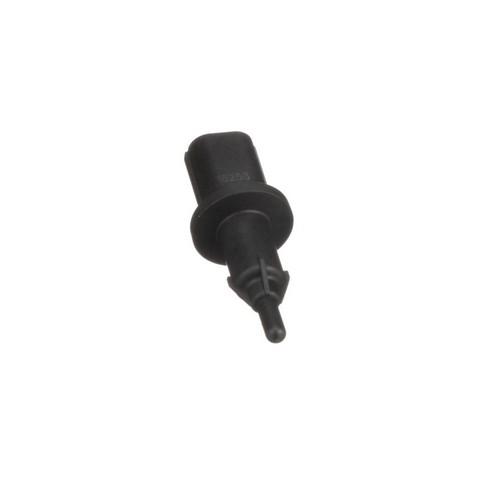
Keep your Honda or Acura's fuel and ignition calibration reading the right air temperature with the Standard Ignition Engine Intake Manifold Temperature Sensor (AX70). Shoppers hunting a Honda Accord sensor will find it drops in as a direct-fit replacement for a range of Honda and Acura models, including the 2003-2004 Honda Accord [L4-2.4L], 2001-2005 Honda Civic [L4-1.7L], 2002-2005 Honda Civic [L4-2.0L], 2002-2006 Honda CR-V [L4-2.4L] and 2004-2008 Acura TSX [L4-2.4L] — see the Buyer's Guide tab for the full list.
This sensor uses a temperature-sensitive element to monitor the temperature of the air in the intake manifold and reports it to the engine control module, which uses the reading to help fine-tune the air-fuel ratio and ignition timing for current conditions.
The listed applications use one sensor each.
What does the AX70 sensor do?
It measures the temperature of the air in the intake manifold and sends that signal to the engine control module, which uses it to help adjust fuel delivery and ignition timing.
Will this fit my Honda Accord?
Yes. It fits the 2003-2004 Honda Accord [L4-2.4L], plus listed Civic, CR-V, Element, Fit and S2000 models and the Acura MDX, RSX and TSX. Check the Buyer's Guide tab for the full list.
Is this an oxygen sensor?
No. This is an intake manifold air temperature sensor that reads incoming air temperature; it is not an oxygen sensor, a tpms sensor, or an abs sensor.
What are the signs this sensor may be failing?
A stored intake-air-temperature code, rough running, hard cold starts, or reduced fuel economy may indicate a failing sensor. Diagnose to confirm the cause before replacing.
How many of these sensors do I need?
The listed Honda and Acura applications use one sensor each (qty 1). Confirm the quantity for your specific vehicle before ordering.



WARNING: These products can expose you to chemicals including lead and phthalates, which are known to the State of California to cause cancer and birth defects or other reproductive harm. For more information go to www.P65Warnings.ca.gov.
