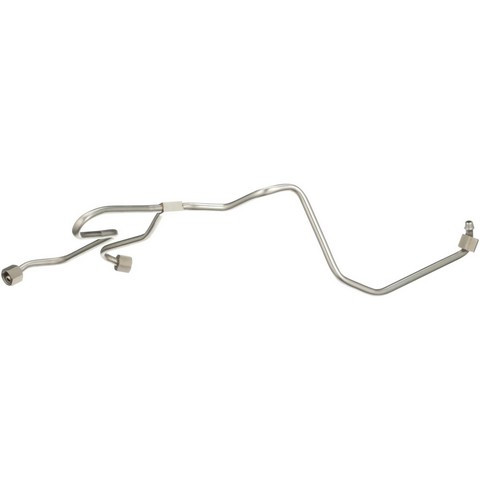
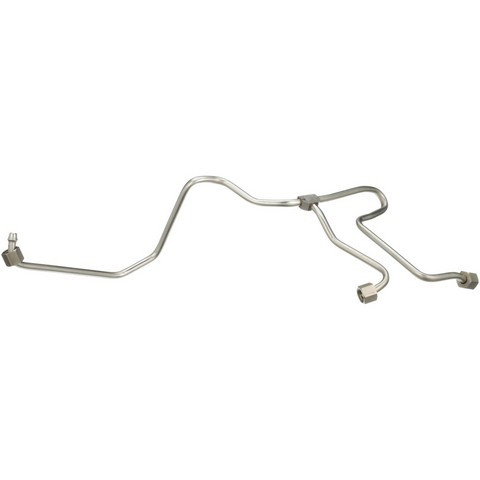
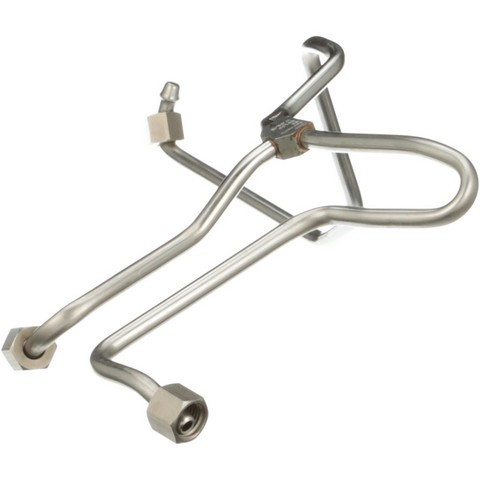
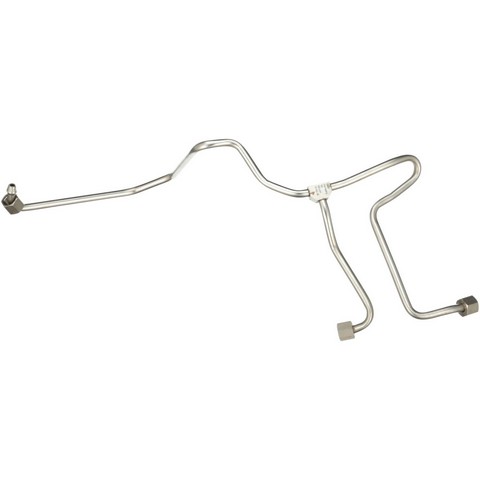
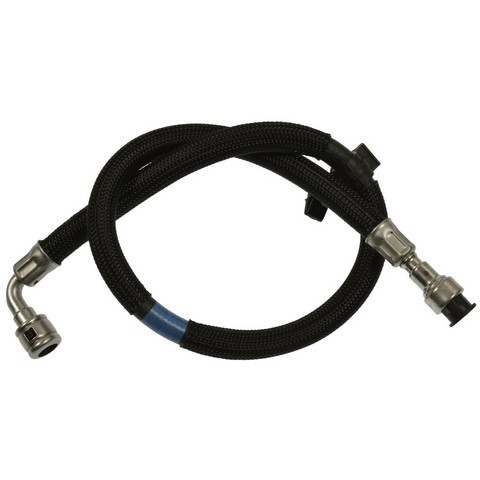
Standard Ignition GDL730 fuel feed line for the 2013-2017 Audi Q5 V6 3.0L and other vehicles carries fuel to the engine's direct-injection system.
- Metal construction made to withstand harsh engine conditions
- Extensive testing and validation for proper performance
- Three ports for the fuel connections
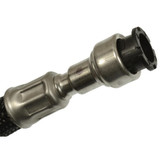
- Screw-on fitting type at both ends
- Made for gasoline direct injection (GDI) fuel systems
Quick facts
- Part: Standard Ignition GDL730 fuel feed line
- Fits: 2013-2017 Audi Q5 V6 3.0L and other vehicles
- Material: Metal
- Condition: New
A fuel smell, wetness along the line or visible corrosion can mean a feed line needs replacing, and a leaking fuel line deserves prompt attention. Before you replace it, rule out a loose fitting, a clogged filter or a weak fuel pump as the cause of hard starting; a shop can test fuel pressure safely.
Fits
This line is a direct-fit OE replacement for the 2013-2017 Audi Q5 V6 3.0L and the 2010-2015 Audi Q7 V6 3.0L.
Specifications
Fit and size
- Quantity per vehicle: 1
- Port quantity: 3
- End 1 fitting type: Screw on
- End 2 fitting type: Screw on
Build and materials
- Material: Metal
- Fuel injection type: GDI
- Fuel type: Gas
- Grade type: O.E Exact
- Condition: New
- Country of origin: Germany
In the box
One fuel feed line. Hardware, bracket, fittings, rubber sleeve and rubber seal are not included, so plan on new hardware rather than reusing the old pieces. This listing holds one line, which is the quantity both vehicles take.
Frequently Asked Questions
Is the Standard Ignition GDL730 fuel feed line right for the 2010-2015 Audi Q7 V6 3.0L?
Yes. Standard Ignition GDL730 is a direct-fit replacement for the 2010-2015 Audi Q7 V6 3.0L, which takes one line.
Does the GDL730 fuel feed line come with fittings or a bracket?
No. This fuel feed line is sold alone; hardware, bracket, fittings, rubber sleeve and rubber seal are not included.
How many ports does the Standard Ignition GDL730 fuel feed line have?
Standard Ignition GDL730 has three ports and a screw-on fitting type at each end. It is made for gasoline direct injection (GDI) fuel systems.
How can I tell if a GDI fuel feed line is leaking?
A fuel smell, dampness or staining along the line, or visible corrosion or damage can point to a problem. Fuel leaks are a fire risk, so have the car checked promptly.
Is the GDL730 fuel feed line made of metal, and where is it made?
Yes. Its material is metal, and its country of origin is Germany.