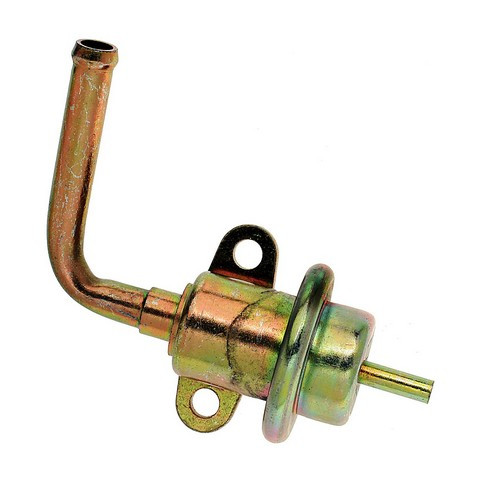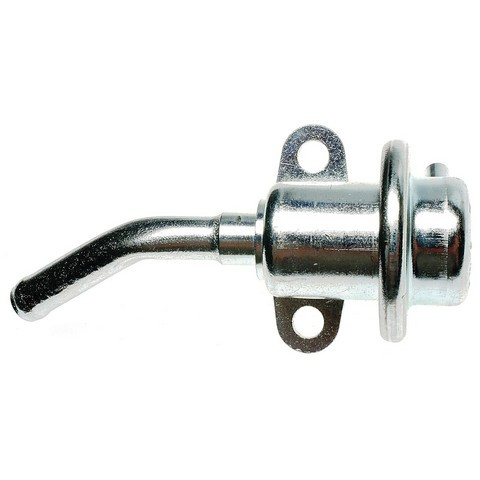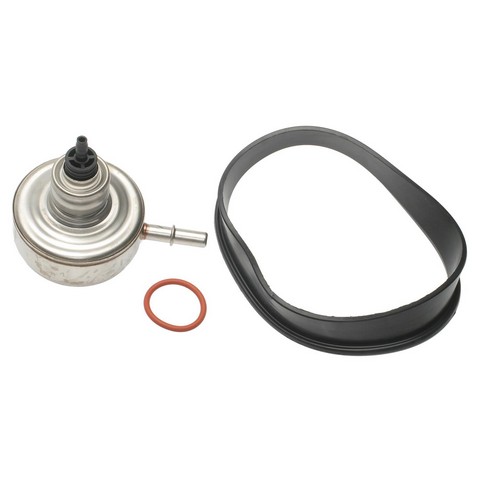
Standard Ignition Fuel Injection Pressure Regulator P/N:PR539
Standard Ignition PR488 fuel injection pressure regulator for the 1998-1999 Dodge Durango V6 3.9L, the 1998-2000 Durango V8 5.2L, the 1998-2003 Durango V8 5.9L and the 2000-2003 Durango V8 4.7L regulates the fuel pressure that reaches the injectors to help keep fuel delivery consistent.
A regulator that is failing can show up as hard starting, a rough idle or a fuel smell. These signs alone do not prove the regulator is at fault, since a clogged fuel filter is another common source of them.
This regulator fits the 1998-1999 Dodge Durango V6 3.9L, the 1998-2000 Durango V8 5.2L, the 1998-2003 Durango V8 5.9L and the 2000-2003 Durango V8 4.7L. A Durango takes a single regulator, whichever of these engines it has.
Fit and size
Build and materials
One fuel injection pressure regulator with an O-ring seal. A reference port is not included.
Does the Standard Ignition PR488 fit the 1998-2003 Dodge Durango V8 5.9L?
Yes. Standard Ignition PR488 is listed for the 1998-2003 Dodge Durango V8 5.9L, and that engine takes one regulator.
Is an O-ring seal included with the PR488 fuel injection pressure regulator?
Yes. Standard Ignition PR488 comes with an O-ring seal. A reference port is not included.
Is this fuel injection pressure regulator a returnless type?
Yes. This regulator is a returnless type with one inlet, one outlet and an angled nipple, and it is listed as adjustable.
What signs go with a failing fuel injection pressure regulator?
Hard starting, a rough idle or a fuel smell can be signs. Checking fuel pressure needs the engine running and the fuel system opened, so leave that test to a shop.
What testing does the Standard Ignition PR488 go through?
Standard Ignition PR488 is validated with 200+ hours of vibration testing, 1000+ hours of extreme heat and cold operational testing and on-vehicle testing.
No reviews yet — be the first to review this product.
Write a Review
WARNING: These products can expose you to chemicals including lead and phthalates, which are known to the State of California to cause cancer and birth defects or other reproductive harm. For more information go to www.P65Warnings.ca.gov.