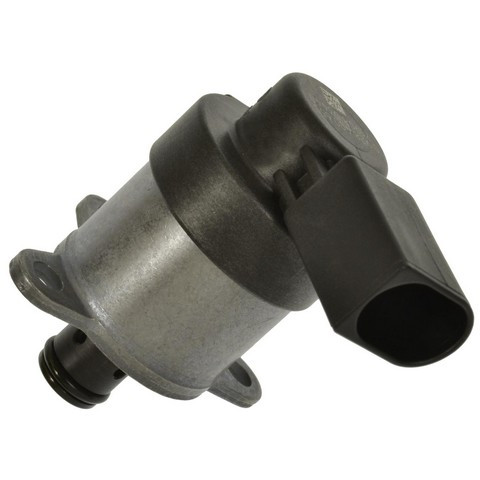
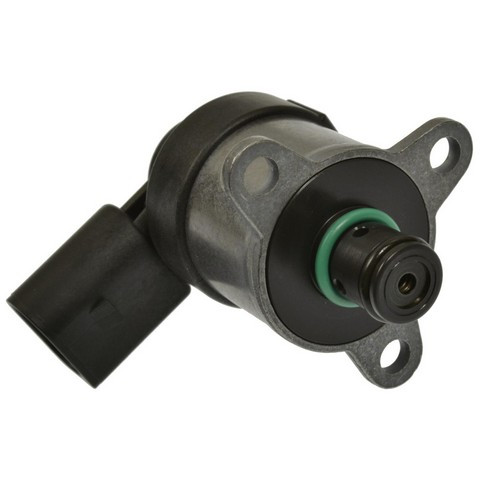
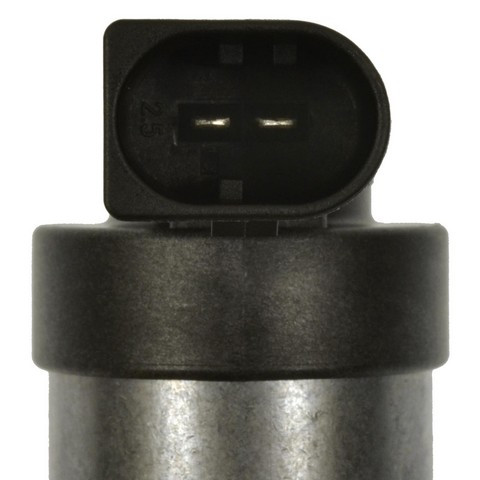
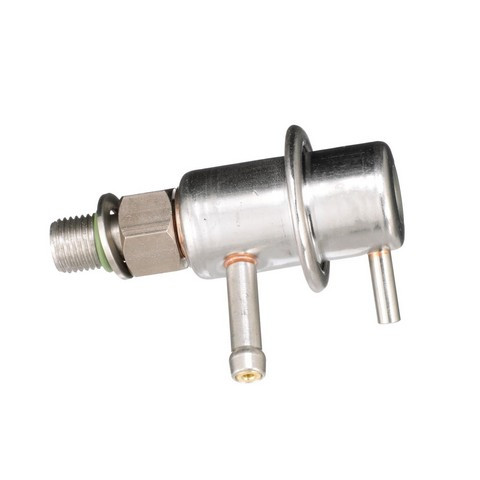
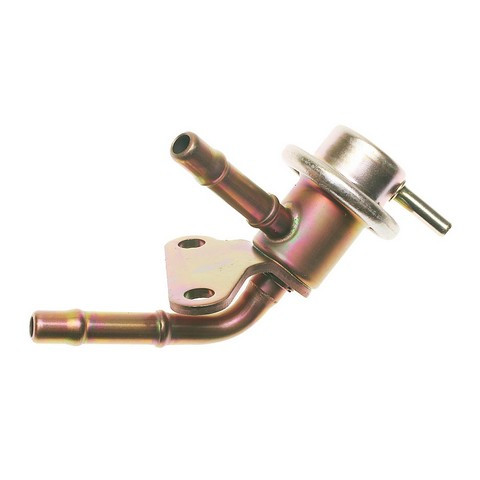
Standard PR564 fuel pressure regulator for the 2005-2006 Dodge Sprinter 2500 5-cylinder 2.7L and other vehicles holds fuel pressure steady in the fuel injection system. It is built for the fuel system requirements of Dodge and Freightliner engines.
- Consistent, precise fuel delivery for acceleration and throttle response
- Leak-proof seals and advanced thermal resistance for use in all driving conditions
- Validated with 200+ hours of vibration testing, 1000+ hours of extreme heat and cold operational testing and on-vehicle testing
- Corrosion-resistant, high-durability construction that resists wear and is not easy to break or deform
Quick facts
- Part: Standard PR564 fuel pressure regulator
- Fits: the 2005-2006 Dodge Sprinter 2500 5-cylinder 2.7L and other vehicles
- Condition: New
A regulator that no longer holds pressure can show up as rough running, poor fuel economy or a fuel smell. Before you replace this regulator, rule out other causes of the same symptoms, such as the fuel pump, fuel filter or injectors, which a shop can test with a pressure gauge.
Fits
The vehicles it fits include the 2005-2006 Dodge Sprinter 3500 5-cylinder 2.7L and the 2005-2006 Freightliner Sprinter 2500 5-cylinder 2.7L. If your vehicle is not named here, enter it on the Buyer's Guide tab to see whether this regulator matches.
Specifications
- Quantity per vehicle: 1
- Condition: New
- Country of origin: United States
In the box
One fuel pressure regulator, which is the number the 2.7L engine takes.