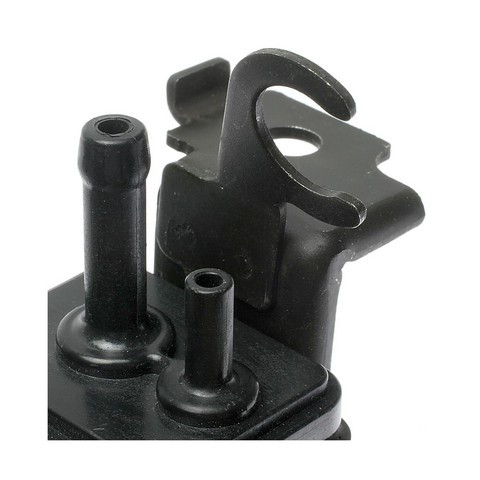
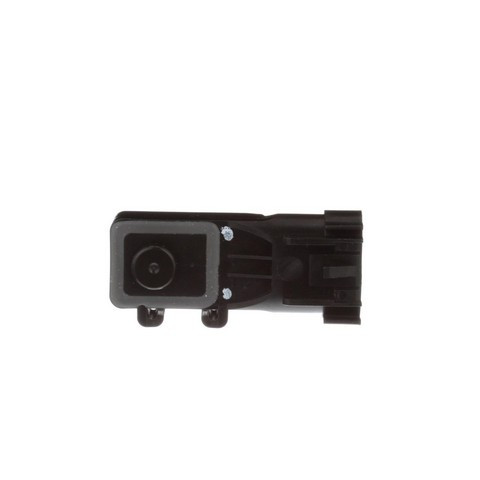
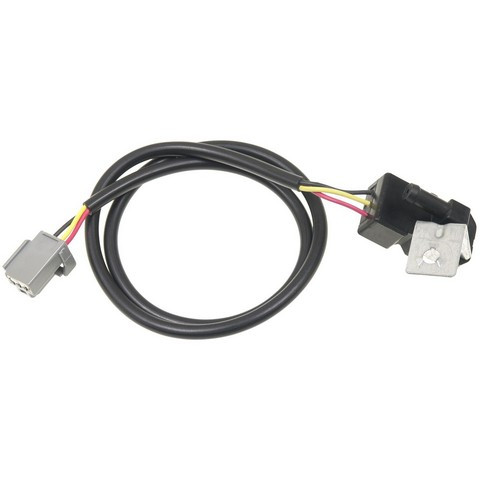
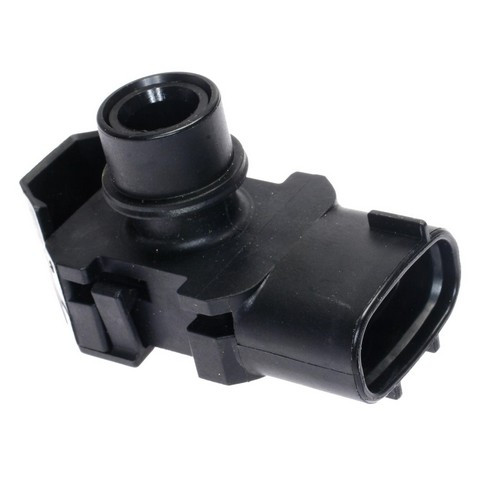
Standard Ignition AS244 fuel tank pressure sensor for the 1996-2000 Acura RL and other vehicles reads fuel vapor pressure and passes the signal to the engine computer.
- 100% in-line and end-of-line inspection from raw material to packaging of the finished sensor
- Precision assembly with extensive use of robotics
- Port quantity of 2
- Round plug-in female connector with three male blade terminals
- Mounting bracket included
Quick facts
- Part: Standard Ignition AS244 fuel tank pressure sensor
- Fits: 1996-2000 Acura RL and other vehicles
- Condition: New
A check engine light with an evaporative emission code can mean the sensor has failed. A loose gas cap, a leaking vapor line or a faulty purge valve can be behind the same warning, so find the cause before buying a sensor. If the sensor is the cause, this one replaces it.
Fits
This sensor fits the 1996-2000 Acura RL and the 1997-1998 Acura TL.
Specifications
Fit and size
- Quantity per vehicle: 1
- Port quantity: 2
- Connector quantity: 1
- Terminal quantity: 3
Build and materials
- Connector: round, plug-in, female
- Terminals: male blade
- Mounting bracket: included
- Condition: New
- Country of origin: Japan
In the box
One fuel tank pressure sensor with its mounting bracket. This listing is one sensor, and both cars take one. A wiring harness, mounting hardware and O-rings are not included, so plan on new hardware and O-rings because the old ones may not be reusable.
Interchange: 2-21007
EC2506 · 37942P5AA01 · E1T38173
This part cross-references / interchanges with the following part numbers:
EC2506, 2-21007, 37942P5AA01, E1T38173, AS244
Frequently Asked Questions
Does the Standard Ignition AS244 fit the 1997-1998 Acura TL?
Yes. Standard Ignition AS244 fits the 1997-1998 Acura TL, and it also fits the 1996-2000 Acura RL.
Does the AS244 sensor come with a mounting bracket and O-rings?
Standard Ignition AS244 includes a mounting bracket. O-rings, mounting hardware and a wiring harness are not included.
How many ports and terminals does this fuel tank pressure sensor have?
This sensor has two ports and one round plug-in female connector with three male blade terminals.
Can a bad fuel tank pressure sensor turn on the check engine light?
Yes, it can set an evaporative emission code and light the check engine lamp. A shop can read the code and test the sensor.
Is 37942P5AA01 the same part as the Standard Ignition AS244?
Yes. 37942P5AA01 is an interchange number for Standard Ignition AS244, along with 2-21007, EC2506 and E1T38173.