Standard Ignition Fuel Pressure Sensor,Fuel Tank Pressure Sensor P/N:AS500
Standard Ignition AS300 fuel tank pressure sensor for the 1997-2002 Kia Sportage and other vehicles reads the pressure in the fuel tank. It sends that reading to the vehicle's computer as an electrical signal.
A check engine light or a stored evaporative-system code can mean this sensor is worn, though a loose fuel cap or a cracked vapor hose can light the same warning, so find the cause before you replace the sensor.
It fits the 1997-2002 Kia Sportage, the 1997-2001 Cadillac Catera and the 1997-1999 Kia Sephia.
Fit and size
Build and materials
One fuel tank pressure sensor with a mounting bracket and O-rings. Mounting hardware and a wiring harness are not included, so plan on new fasteners rather than reusing the old ones. This listing holds one sensor, and the vehicle takes one.
Is the Standard Ignition AS300 right for a 1997-2002 Kia Sportage?
Yes. Standard Ignition AS300 is listed for the 1997-2002 Kia Sportage, and the vehicle takes one sensor.
Does the AS300 fuel tank pressure sensor come with a mounting bracket?
Yes. Standard Ignition AS300 comes with a mounting bracket and O-rings. Mounting hardware and a wiring harness are not included.
What kind of connector does this fuel tank pressure sensor have?
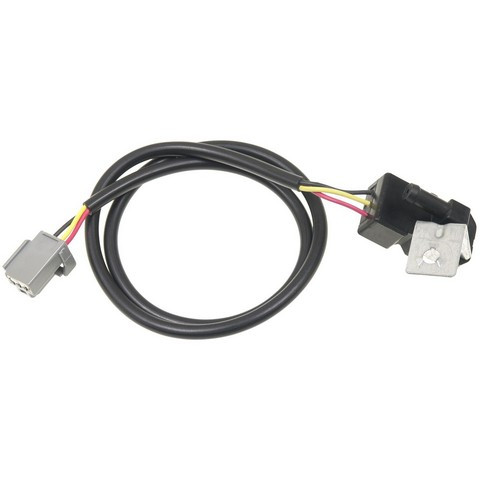
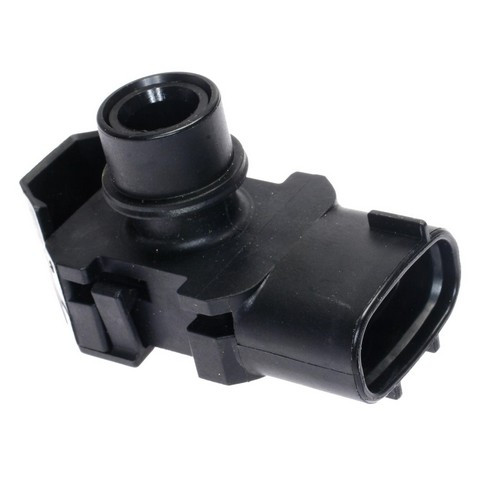
It has one rectangular, plug-in female connector with three male blade terminals. The sensor also has two ports.
Can a check engine light mean this fuel tank pressure sensor is worn?
Yes, a check engine light or a stored evaporative-system code can be a sign of a worn sensor. A shop can read the codes and test the sensor on the car.
Is every Standard Ignition AS300 inspected during manufacturing?
Yes. Each sensor goes through 100% in-line and end-of-line inspection from raw material to packaging, and robotics are used extensively in assembly.
No reviews yet — be the first to review this product.
Write a Review
WARNING: These products can expose you to chemicals including lead and phthalates, which are known to the State of California to cause cancer and birth defects or other reproductive harm. For more information go to www.P65Warnings.ca.gov.