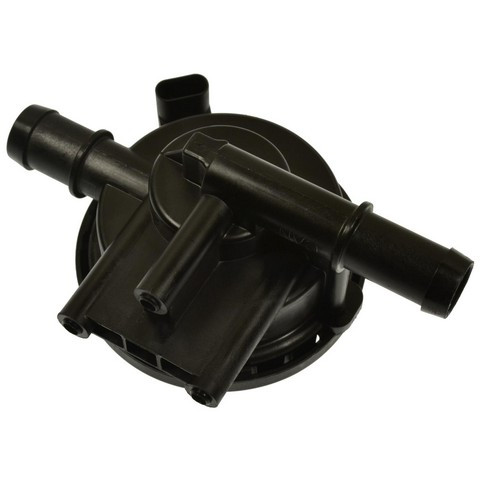
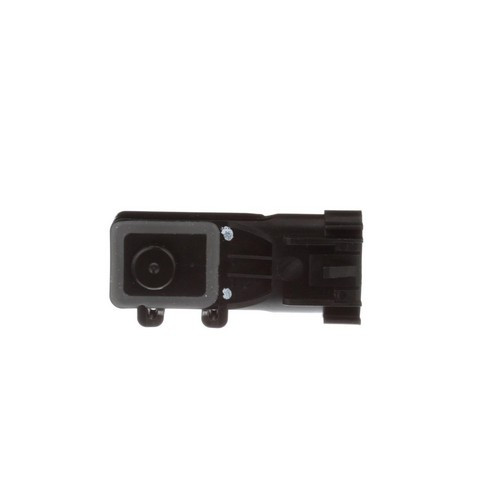
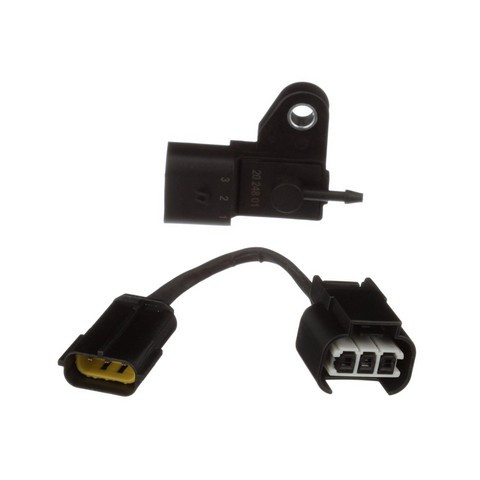
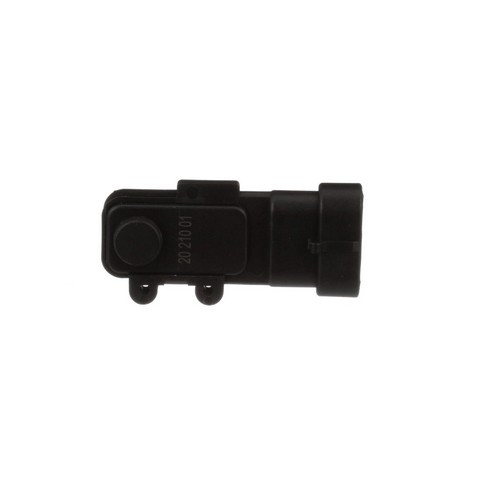
Standard Ignition FPS64 fuel tank pressure sensor for the 2011-2018 Hyundai Sonata and other vehicles reads pressure in the fuel tank and reports it to the engine computer. This sensor sits on the fuel pump.
- Quality control at every stage of the manufacturing process
- Components made to withstand harsh engine conditions and extend service life
- Tested and validated for proper performance and reliability
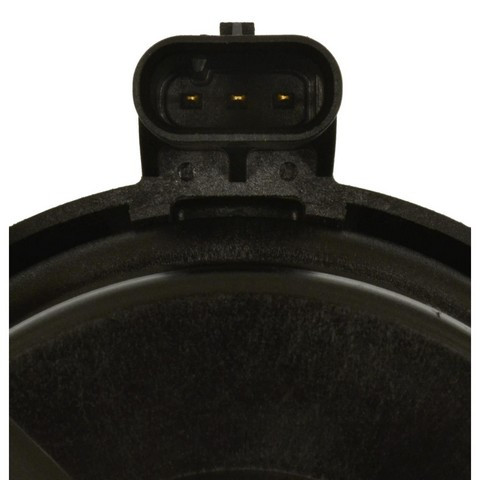
- Round female connector with three male pin terminals
- Port quantity: four
Quick facts
- Part: Standard Ignition FPS64 fuel tank pressure sensor
- Fits: 2011-2018 Hyundai Sonata and other vehicles
- Position: On fuel pump
- Condition: New
A check engine light with an evaporative emissions code can be a sign that the sensor or its circuit needs attention. Before you replace the sensor, rule out a loose or damaged fuel cap, a cracked vapor line and wiring faults; a shop can test the sensor circuit.
Fits
This sensor is a direct-fit OE replacement for the 2011-2018 Hyundai Sonata and the 2017-2018 Hyundai Ioniq.
Specifications
Fit and size
- Position: on fuel pump
- Quantity per vehicle: 1
- Ports: 4
- Connector: round, female
- Terminals: 3 male pin terminals
Build and materials
- Condition: new
- Country of origin: Mexico
In the box
One fuel tank pressure sensor; the listing holds one, and one is all the car takes. The wiring harness, mounting hardware, mounting bracket and O-rings are not included, so plan on new hardware and O-rings.
Interchange: 2-260064
FPS564 · MPSB10005 · 314804R100AQQH · 4804R100AQQH · 4804R100QQH · 314804R000 · 314804R100 · 314804R100AQQK
This part cross-references / interchanges with the following part numbers:
FPS564, MPSB10005, 2-260064, 314804R100AQQH, 4804R100AQQH, 4804R100QQH, 314804R000, 314804R100, 314804R100AQQK, FPS64
Frequently Asked Questions
Does the Standard Ignition FPS64 fit the 2017-2018 Hyundai Ioniq?
Yes. Standard Ignition FPS64 fits the 2017-2018 Hyundai Ioniq, as it does the 2011-2018 Hyundai Sonata.
Does the FPS64 sensor come with a wiring harness or O-rings?
No. This fuel tank pressure sensor comes alone; the wiring harness, mounting hardware, mounting bracket and O-rings are not included.
How many terminals does the Standard Ignition FPS64 connector have?
The Standard Ignition FPS64 has a round female connector with three male pin terminals, and the sensor body has four ports.
What signs can point to a bad fuel tank pressure sensor?
A check engine light with an evaporative emissions code can be a sign. A shop can test the sensor with a scan tool to confirm.
Does the FPS64 replace interchange number 314804R100?
Yes. Standard Ignition FPS64 is listed as a replacement for 314804R100 and for 4804R100QQH.