

Standard Ignition Ignition Control Module P/N:LX-930
Standard Ignition Ignition Control Module P/N:LX-930. Fits: Volvo 262, Volvo 264, Volvo 265, Volvo 760.
$813.99


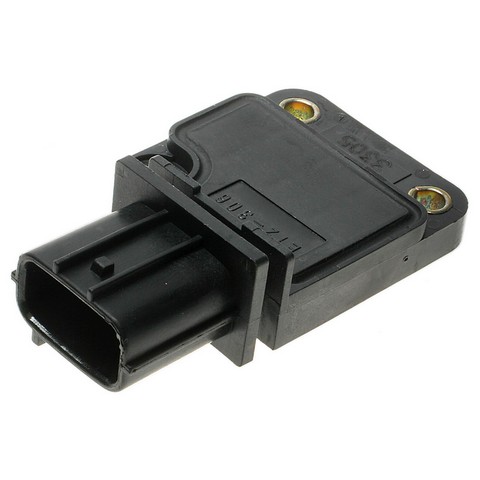
Standard Ignition LX-744 ignition control module for the 1998-1999 Honda Accord V6 3.0L and other vehicles controls the ignition coils in a distributorless ignition system. It is designed to fix the inherent failure issues of the original-equipment module.
Hard cold starts, a misfire or a no-start can mean the module is worn, though a faulty ignition coil or crankshaft position sensor can be the source instead. A shop test can tell them apart before you replace anything.
This module fits the 1998-1999 Honda Accord V6 3.0L and the 1997-1999 Acura CL V6 3.0L.
Fit and size
Build and materials
One ignition control module. The ignition coil, mounting hardware, mounting bracket and instructions are not included, so plan on new mounting bolts rather than reusing the old ones. This listing is one module, and the vehicle takes one.
Is Standard Ignition LX-744 the Honda Accord module for the 1998-1999 Honda Accord V6 3.0L?
Yes. Standard Ignition LX-744 fits the 1998-1999 Honda Accord V6 3.0L, and it also fits the 1997-1999 Acura CL V6 3.0L.
Does the Standard Ignition control module come with the ignition coil and mounting hardware?
No. This listing is the module alone; the ignition coil, mounting hardware, mounting bracket and instructions are not included.
What connector and terminals does the LX-744 ignition control module have?
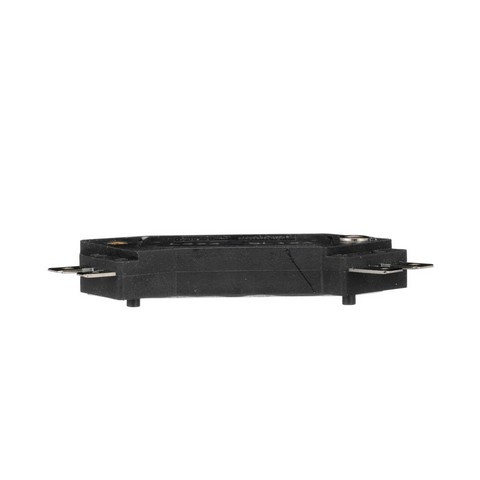
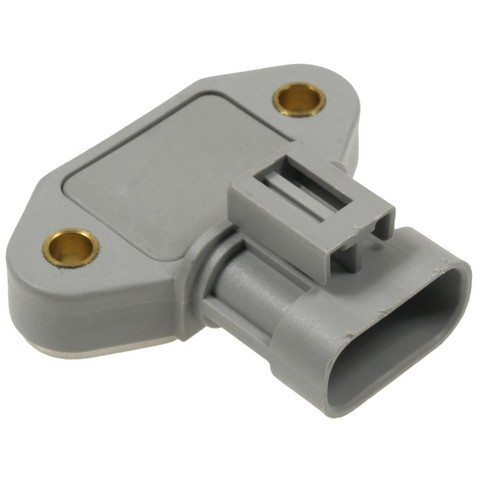
The Standard Ignition LX-744 has one female connector and three male blade terminals. It runs on 12 V and attaches with a bolt-on mount.
What is the housing of this ignition control module made of?
The housing is a high-temperature polymer. It reduces moisture intrusion and minimizes vibration damage.
How is this ignition control module tested for heat and cold?
It is durability tested for 500 thermal cycles from -40C to +125C. Copper slug heat sinks dissipate heat to protect the module.





WARNING: These products can expose you to chemicals including lead and phthalates, which are known to the State of California to cause cancer and birth defects or other reproductive harm. For more information go to www.P65Warnings.ca.gov.
