

Standard Ignition Ignition Control Module P/N:LX-930
Standard Ignition Ignition Control Module P/N:LX-930. Fits: Volvo 262, Volvo 264, Volvo 265, Volvo 760.
$813.99


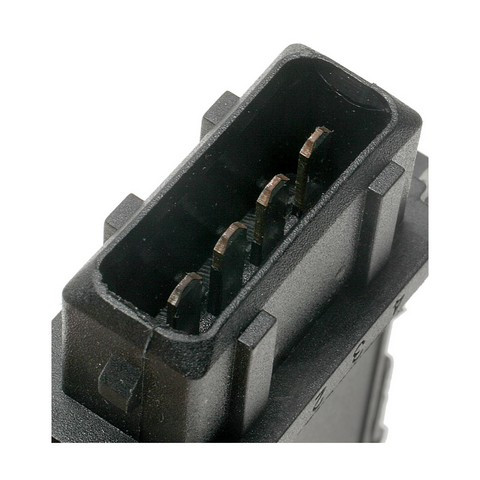


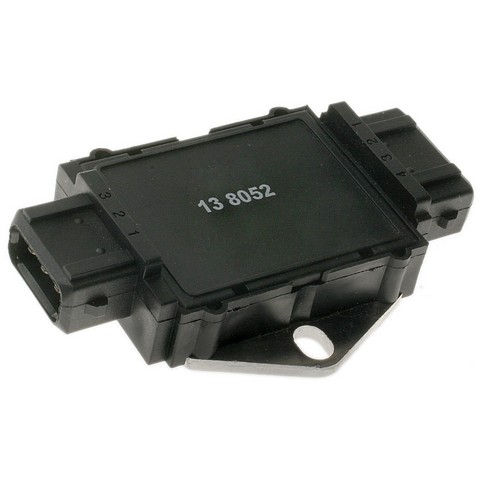
Standard Ignition LX-953 ignition control module for the 2000-2004 Audi A6 Quattro V6 2.7L and other vehicles switches the ignition coils on from the crankshaft position sensor signal. This Standard Ignition control module responds to a weak signal and begins energizing the coils right away, for better cold-weather starts.
Hard starting, a no-start or a misfire can point to a failing module, though a worn coil, a weak sensor signal or damaged wiring may produce those signs too. Before replacing the module, look over the connectors with the engine off and cool for corrosion, bent blade terminals, moisture or heat marks on the housing.
The vehicles it fits include the 2000-2004 Audi A6 Quattro V6 2.7L, which takes one module, the 2000-2002 Audi S4 V6 2.7L and the 2001 Audi Allroad Quattro V6 2.7L.
Fit and size
Build and materials
One ignition control module. Mounting hardware, a mounting bracket, instructions, a grease pack and an ignition coil are not included, so plan on new bolts rather than reusing the old ones.
Are Audi A6 Quattro control modules like this one right for the 2000-2004 Audi A6 Quattro V6 2.7L?
Yes. Standard Ignition LX-953 fits the 2000-2004 Audi A6 Quattro V6 2.7L. If your Audi is not named here, look up its year and engine on the Buyer's Guide tab.
Does the LX-953 ignition control module come with a bracket or bolts?
No. This module is sold on its own; mounting hardware, a mounting bracket, instructions, a grease pack and an ignition coil are not included.
How many connectors and terminals does the Standard Ignition LX-953 have?
Standard Ignition LX-953 has two female connectors and seven male blade terminals.
Is this ignition module tested for heat and cold?
Yes. This module is durability tested for 500 thermal cycles ranging from -40C to +125C.
Is the LX-953 a 12-volt module for a distributorless ignition?
Yes. Standard Ignition LX-953 is listed as a 12-volt module for a distributorless ignition system.





WARNING: These products can expose you to chemicals including lead and phthalates, which are known to the State of California to cause cancer and birth defects or other reproductive harm. For more information go to www.P65Warnings.ca.gov.
