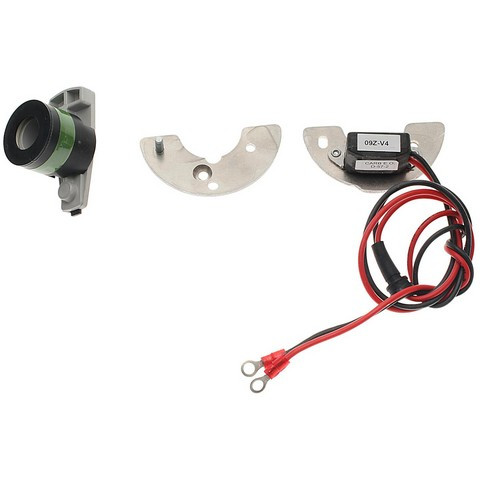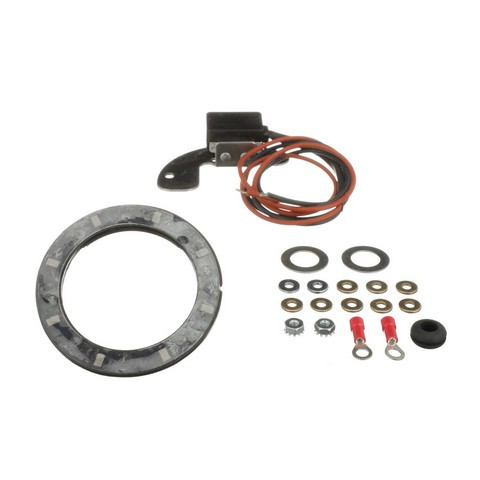
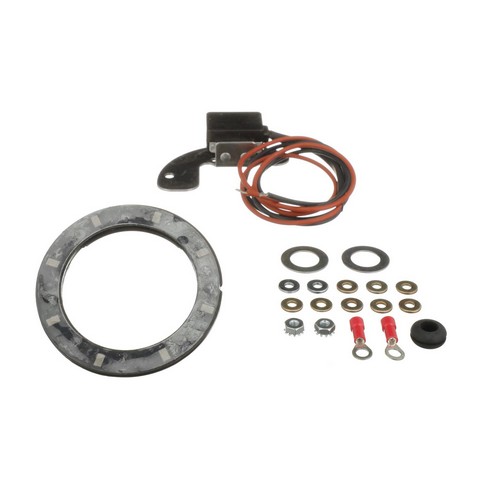
Standard Ignition Ignition Conversion Kit P/N:LX-815
Retire worn breaker points and move your classic's distributor to electronic triggering with the Standard Ignition Ignition Conversion Kit LX-807. It is cataloged as a direct-fit application for a long list of classic cars and trucks, including the 1959-1974 Chevrolet Impala 4.6L / 5.0L / 5.3L / 5.4L / 5.7L / 6.5L / 6.6L / 6.7L / 7.0L / 7.4L.
Signs that a points-type ignition may need attention include hard starting, misfiring, a rough idle, or burned and pitted contact points. These symptoms can also come from other ignition or fuel-system faults, so diagnose the cause before replacing parts. If worn points are the problem, this kit is designed to replace that setup.
This part fits many vehicles. See the Buyer's Guide tab for the full list of years, models and engine codes.
What does an ignition conversion kit do?
It is designed to replace a distributor's mechanical breaker points with electronic triggering. Points are rubbing contacts that wear and drift out of adjustment over time.
Will the LX-807 fit my vehicle?
It is cataloged for many vehicles, including the 1959-1974 Chevrolet Impala 4.6L / 5.0L / 5.3L / 5.4L / 5.7L / 6.5L / 6.6L / 6.7L / 7.0L / 7.4L. Check the Buyer's Guide tab for your year, model and engine code.
What signs suggest a points ignition needs attention?
Hard starting, misfiring, a rough idle, or burned and pitted contact points can all appear with worn points. Other ignition and fuel faults cause the same symptoms, so diagnose the cause before replacing parts.
Which engines are covered?
The listed applications include engine codes such as L6-3.8L, V8-5.0L, V8-5.7L, V8-6.6L and V8-7.4L, among others. Each vehicle's engine is shown in the Buyer's Guide tab.
How is it installed?
Follow the vehicle service information and any instructions supplied with the kit, or have a qualified technician install it.
WARNING: These products can expose you to chemicals including lead and phthalates, which are known to the State of California to cause cancer and birth defects or other reproductive harm. For more information go to www.P65Warnings.ca.gov.