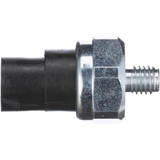
Standard Ignition Ignition Knock (Detonation) Sensor P/N:KS148
$60.99
(You save)
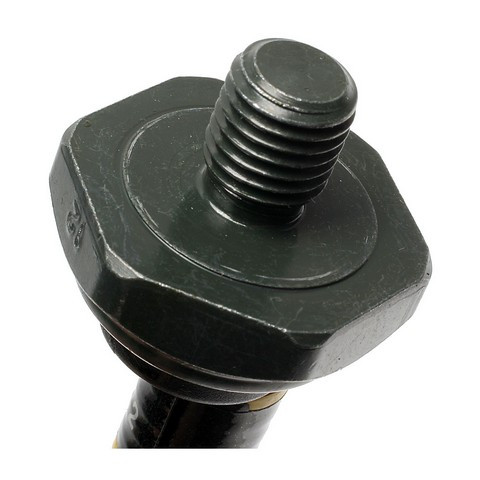
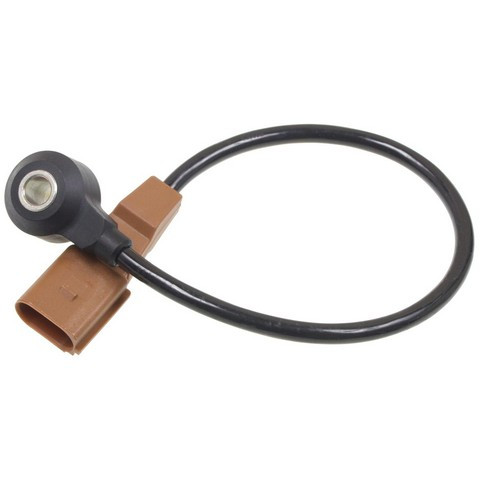
Catch engine knock before it goes unheard — the Standard Ignition Ignition Knock (Detonation) Sensor KS148 mounts to the engine and responds to the vibration signature of detonation, feeding a voltage signal to the engine control module so it can adjust ignition timing. It's a direct-fit replacement for the 1999-2005 Hyundai Sonata, 2001-2006 Hyundai Santa Fe, 2001-2005 Kia Magentis, 2001-2006 Kia Optima, and 2012 Kia Forte5, all with the L4-2.4L engine.
Features:
100% tested: every unit is checked on an accelerometer vibration test for trouble-free operation.
Broad frequency response: designed to respond to knock frequencies up to 1000 Hz, accommodating shifts in engine knock frequency across a wide range of operating conditions.
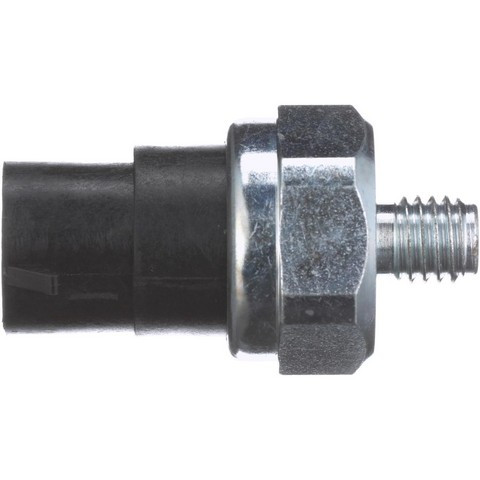
Screw-in mounting: M12 x 1.25 thread with direct attachment.
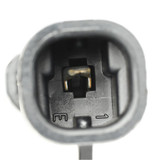
Oval connector: a single female oval connector with two male blade terminals.
Sensor output is monitored throughout manufacturing with an automated data-acquisition system that verifies voltage output at the specified frequency range. Mounting hardware is not included — consult the vehicle service information for the correct fasteners and whether they may be reused. If a failed knock sensor is the cause of a stored knock-sensor code or reduced timing advance, this replaces it. Country of origin: Taiwan. Manufacturer part number KS148.
This part cross-references / interchanges with the following part numbers:
It responds to the vibration signature of engine detonation and sends a voltage signal to the engine control module, which uses it to adjust ignition timing.
Which vehicles does this knock sensor fit?
It's a direct-fit for the 1999-2005 Hyundai Sonata, 2001-2006 Santa Fe, 2001-2005 Kia Magentis, 2001-2006 Kia Optima, and 2012 Kia Forte5 with the L4-2.4L engine.
How does this sensor mount?
It's a screw-in sensor with an M12 x 1.25 thread and direct attachment to the engine.
Is mounting hardware included?
No. Consult the vehicle service information for the correct fasteners and whether they may be reused.
What are signs this sensor may need replacing?
A stored knock-sensor trouble code or engine pinging under load can be signs. Have the cause diagnosed first, since these symptoms can have other causes.
Write a Review
STANDARD MOTOR PRODUCTS
Standard Ignition Ignition Knock (Detonation) Sensor P/N:KS148
Give your engine's control module the vibration data it needs to catch detonation with the Standard Ignition Ignition Knock (Detonation) Sensor KS247. It installs as a direct-fit replacement for the...
Knock SensorAs a global manufacturer, we maintain complete quality control throughout the manufacturing processAutomated data acquisition system continuously monitors sensor output to ensure response...
Knock SensorAll units are 100% tested using an accelerometer vibration test to ensure trouble-free operationAs a global manufacturer of emission components, complete quality control is maintained...
Knock SensorAll units are 100% tested using an accelerometer vibration test to ensure trouble-free operationAs a global manufacturer of emission components, complete quality control is maintained...
Knock SensorAll units are 100% tested using an accelerometer vibration test to ensure trouble-free operationAs a global manufacturer of emission components, complete quality control is maintained...
WARNING:
These products can expose you to chemicals including lead and phthalates, which are known to the State of California to cause cancer and birth defects or other reproductive harm. For more information go to
www.P65Warnings.ca.gov.