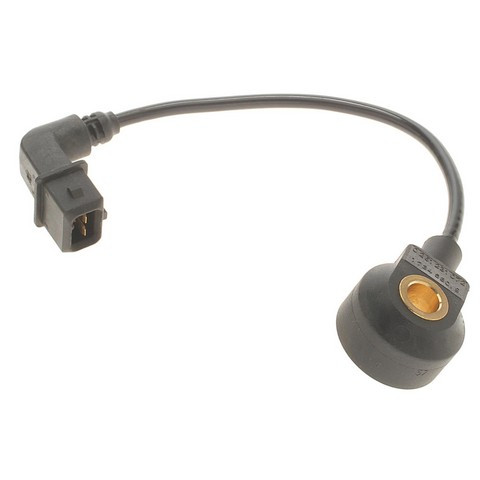
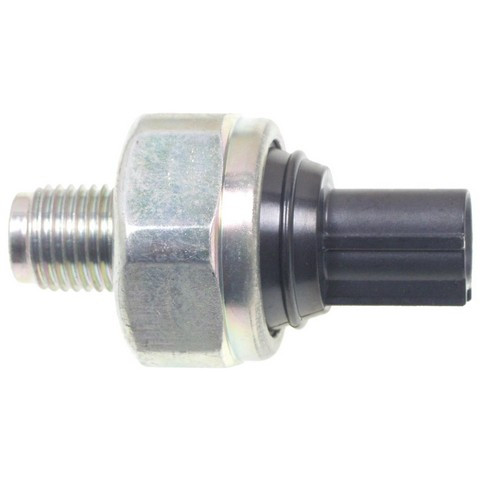
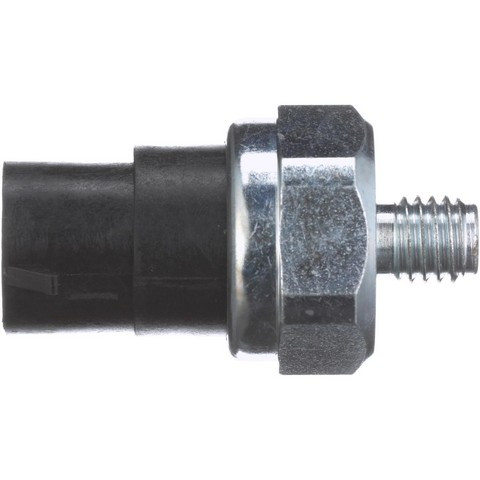
Standard Ignition KS183 sensor for the 1996-1998 Saab 900 4-cylinder 2.3L and other vehicles detects engine knock and signals the engine computer. The computer uses that signal to manage ignition timing.
- Every unit is tested with an accelerometer vibration test for trouble-free operation
- Automated data acquisition system monitors sensor output during manufacturing to check voltage at the specified frequency range
- Responds to knock frequencies up to 1000 Hz to accommodate shifts in engine knock frequency
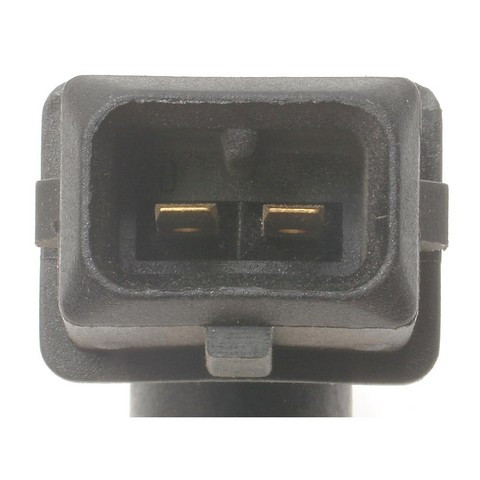
- Bolt-on mounting with a rectangular connector and two blade terminals
Quick facts
- Part: Standard Ignition KS183 sensor
- Fits: 1996-1998 Saab 900 4-cylinder 2.3L and other vehicles
A lit check engine light, pinging under load or sluggish response can mean this sensor is worn, though a damaged wiring connector or a fault in the engine computer can be behind the same signs, so find the cause before you replace it.
Fits
It fits the 1996-1998 Saab 900 4-cylinder 2.3L and the 1996-1997 Saab 9000 V6 3.0L. Both cars take two sensors, and this listing is one.
Specifications
Fit and size
- Quantity per vehicle: 2
- Mounting: bolt mount, bolt on
- Connector shape: rectangular
- Terminal quantity: 2
Build and materials
- Terminal type: blade, male
- Connector gender: female
- Mounting hardware: not included
- Country of origin: Germany
In the box
One sensor. Mounting hardware is not included, and the old bolts may not be reusable, so plan on new ones.
Interchange: S8679 · 0261231115 · SU5023 · DKS559 · 4300729
This part cross-references / interchanges with the following part numbers:
S8679, 0261231115, SU5023, DKS559, 4300729, KS183
Frequently Asked Questions
Does the Standard Ignition KS183 sensor fit a 1996-1997 Saab 9000 V6 3.0L?
Yes. Standard Ignition KS183 fits the 1996-1997 Saab 9000 V6 3.0L and also the 1996-1998 Saab 900 4-cylinder 2.3L.
Does the KS183 sensor come with mounting bolts?
No, mounting hardware is not included with this one-sensor listing, so plan on new bolts since the old ones may not be reusable.
What kind of connector does the Standard Ignition KS183 sensor have?
Standard Ignition KS183 has a rectangular female connector with two male blade terminals. It attaches with a bolt-on mount.
How can I tell if this knock sensor is going bad?
A check engine light or pinging under load can mean the sensor is worn. With the engine off and cool, you can look over the connector for damage; a shop can test the sensor's output.
What frequency range does this sensor respond to?
This sensor responds to knock frequencies up to 1000 Hz, so it can follow shifts in engine knock frequency. Each unit also passes an accelerometer vibration test.