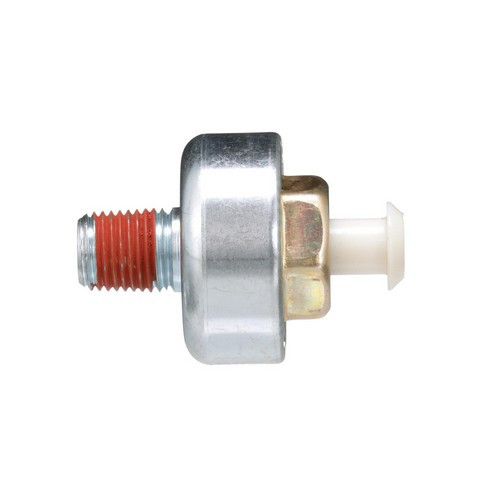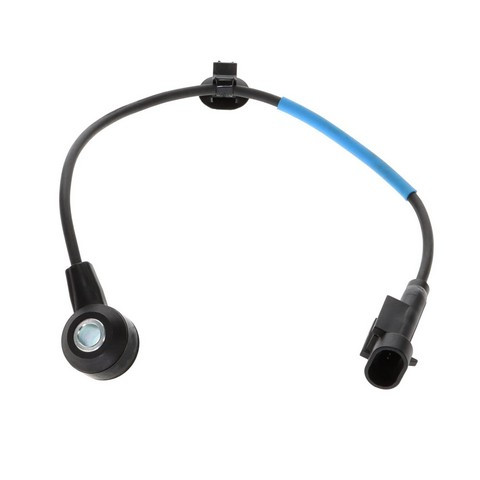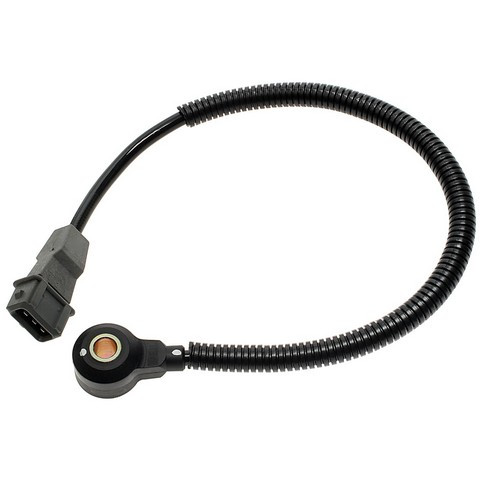
Standard Ignition Ignition Knock (Detonation) Sensor P/N:KS297
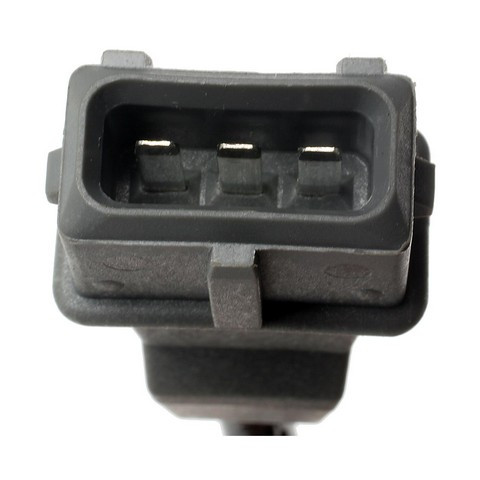
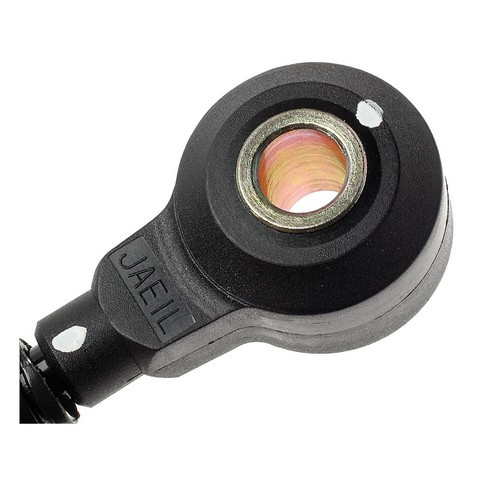
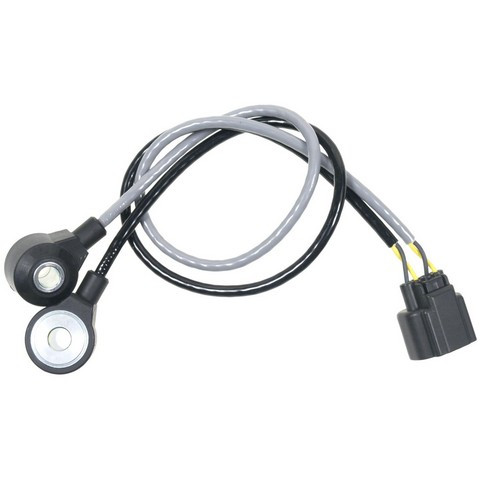
Guard your engine against damaging detonation with the Standard Ignition Ignition Knock (Detonation) Sensor KS215. It installs as a direct-fit replacement for the 2001-2002 Kia Rio (L4-1.5L) and the 2003-2005 Kia Rio (L4-1.6L). This sensor bolt-mounts to the engine and detects the vibration frequencies produced by knock, sending a voltage signal the engine control module uses to adjust ignition timing.
Signs the original sensor may need replacing can include an illuminated check engine light with a stored knock-sensor trouble code or reduced engine performance; diagnose the cause first, and if a failed knock sensor is to blame, this replaces it. Manufacturer part number KS215. Country of origin: Taiwan.
This part cross-references / interchanges with the following part numbers:
What does the KS215 knock sensor do?
It bolt-mounts to the engine and senses the vibration frequencies caused by knock, sending a voltage signal to the engine control module so it can adjust ignition timing.
Which vehicles does the KS215 fit?
It is a direct-fit replacement for the 2001-2002 Kia Rio (L4-1.5L) and the 2003-2005 Kia Rio (L4-1.6L). See the Buyer's Guide tab to confirm your vehicle.
Is mounting hardware included?
No. Mounting hardware is not included. Consult the vehicle service information for the correct fasteners and whether they may be reused.
What are signs my knock sensor may need replacing?
Common signs include a check engine light with a knock-sensor trouble code or reduced performance. These can have other causes, so diagnose before replacing.
How is the KS215 tested and where is it made?
Every unit undergoes an accelerometer vibration test, and output is monitored during manufacturing for appropriate voltage at the specified frequency range. Country of origin: Taiwan.
WARNING: These products can expose you to chemicals including lead and phthalates, which are known to the State of California to cause cancer and birth defects or other reproductive harm. For more information go to www.P65Warnings.ca.gov.