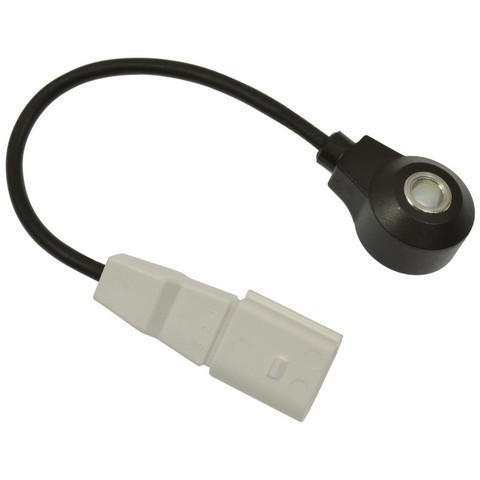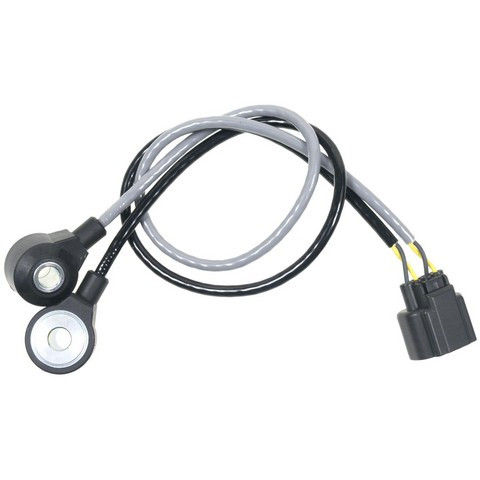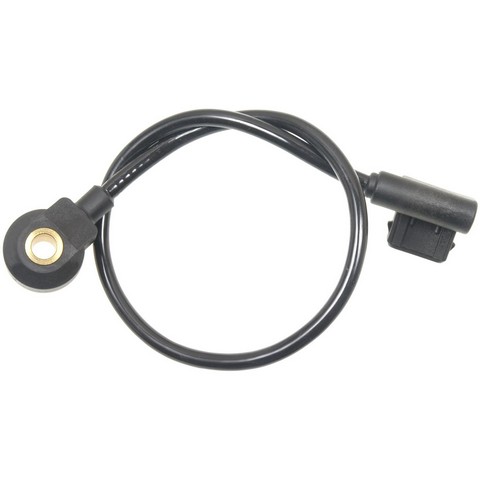
Standard Ignition Ignition Knock (Detonation) Sensor P/N:KS123
Standard Ignition KS271 sensor for the 1993 BMW 740i V8 4.0L and other vehicles detects engine knock and sends that signal to the engine computer.
A worn or failing sensor can show up as a check engine light, engine pinging under load or a drop in power. Those signs alone do not prove the sensor is at fault, because a damaged wiring connector can produce some of them too.
This sensor fits the 1993 BMW 740i V8 4.0L and the 1993 BMW 740iL V8 4.0L. Both take four sensors, and this listing is one.
Fit and size
Build and materials
One sensor. Mounting hardware is not included, and the old bolt may not be reusable, so plan on a new one.
Interchange: 12141736303 · S8871 · 0261231074 · 261231074 · SU7310 · DKS711
This part cross-references / interchanges with the following part numbers:
Is the Standard Ignition KS271 sensor right for the 1993 BMW 740iL V8 4.0L?
Yes. The Standard Ignition KS271 fits the 1993 BMW 740iL V8 4.0L and the 1993 BMW 740i V8 4.0L, with four sensors per engine.
Does the KS271 sensor come with a mounting bolt?
No. This listing is one sensor with no mounting hardware, so plan on a new bolt rather than reusing the old one.
How many terminals are on the KS271 sensor connector?
The Standard Ignition KS271 has three male blade terminals in one rectangular, female plug-in connector.
What knock frequencies does this sensor respond to?
This sensor responds to knock frequencies up to 1000 Hz. That range lets it follow shifts in engine knock frequency under a broad range of conditions.
How is each KS271 sensor tested?
Every unit goes through an accelerometer vibration test. An automated data acquisition system also monitors its voltage output at the specified frequency range.
No reviews yet — be the first to review this product.
Write a Review
WARNING: These products can expose you to chemicals including lead and phthalates, which are known to the State of California to cause cancer and birth defects or other reproductive harm. For more information go to www.P65Warnings.ca.gov.