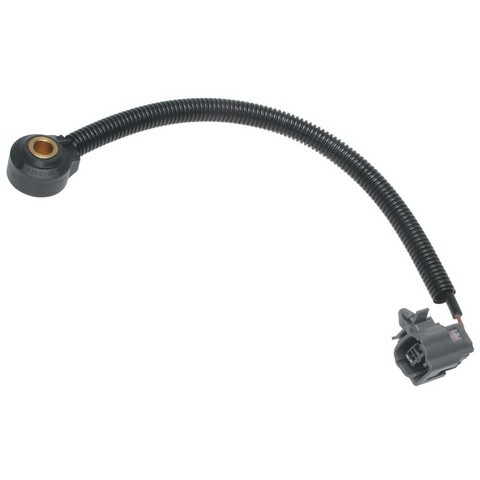
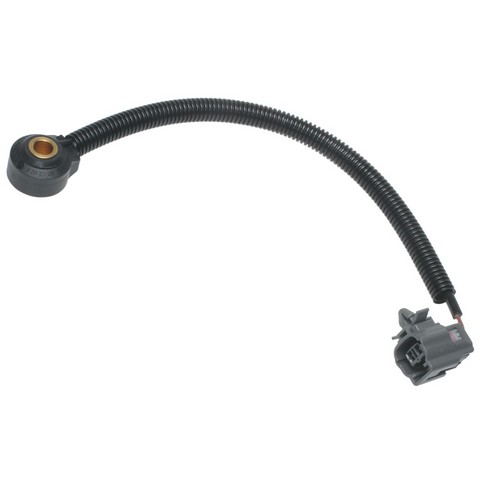
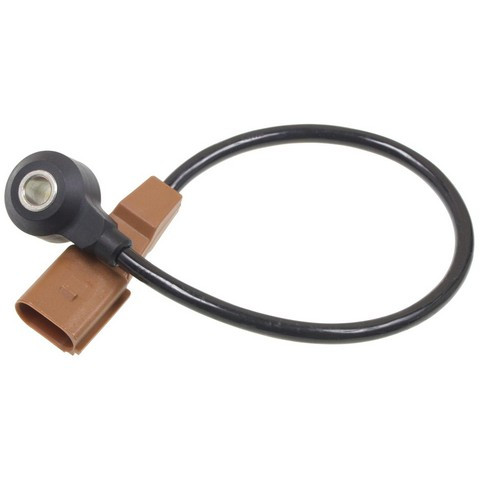
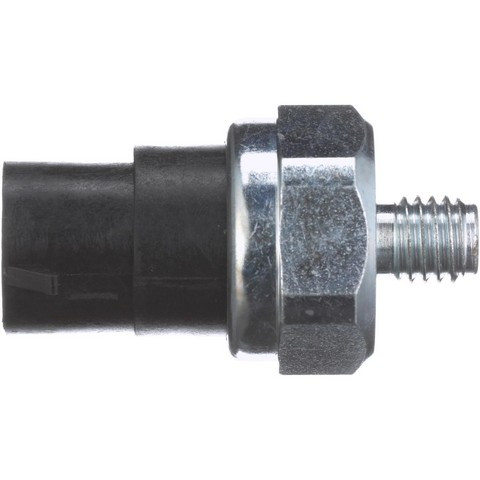
Standard Ignition KS342 sensor for the 2007-2008 Mazda 3 4-cylinder 2.0L, the 2007-2013 3 4-cylinder 2.3L and other vehicles detects engine knock and sends a voltage signal to the engine computer.
- Responds to knock frequencies up to 1000 Hz and follows shifts in engine knock frequency over a broad range of conditions
- 100% tested with an accelerometer-based vibration test
- Output monitored by an automated data acquisition system during manufacturing for correct voltage across the specified frequency range
Quick facts
- Part: Standard Ignition KS342 sensor
- Fits: the 2007-2008 Mazda 3 4-cylinder 2.0L, the 2007-2013 3 4-cylinder 2.3L and other vehicles
A failing sensor can show up as a check engine light, pinging under load or a drop in power. Before you replace the sensor, rule out a damaged connector or wiring, then any other engine fault that produces those symptoms.
Fits
This sensor fits the 2007-2008 Mazda 3 4-cylinder 2.0L, the 2007-2013 3 4-cylinder 2.3L and the 2007-2012 Mazda CX-7 4-cylinder 2.3L. It is also the sensor for the 2006-2007 Mazda 6 4-cylinder 2.3L.
Specifications
Fit and size
- Quantity per vehicle: 1
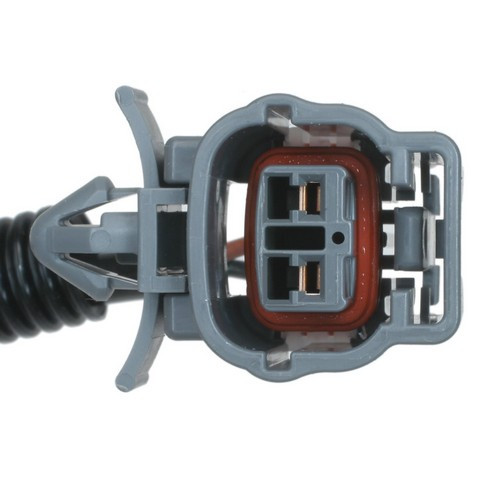
- Connector shape: Oval
- Connector quantity: 1
- Terminal quantity: 2
Build and materials
- Mounting: Bolt mount
- Connector: Plug in, male
- Terminals: Blade, female
- Country of origin: Germany
In the box
One sensor, which is also the quantity these Mazdas need. Mounting hardware is not included, so plan on new bolts.
Interchange: S8942 · SU13527 · DKS782 · L80718921
Product information is for general reference and may contain errors. See our Disclaimer.
This part cross-references / interchanges with the following part numbers:
S8942, SU13527, DKS782, L80718921, KS342
Frequently Asked Questions
Is this the right sensor for the 2006-2007 Mazda 6 4-cylinder 2.3L?
Yes. Standard Ignition KS342 fits the 2006-2007 Mazda 6 4-cylinder 2.3L, and this listing is one sensor, the quantity that engine needs.
Does the KS342 sensor come with mounting bolts?
No. Mounting hardware is not included with this sensor, so plan on new bolts when you install it.
What connector does this sensor have?
This sensor has one oval, plug-in male connector with two female blade terminals, and it attaches with a bolt mount.
How high a knock frequency can this sensor respond to?
This sensor responds to knock frequencies up to 1000 Hz, so it can follow shifts in engine knock frequency across a broad range of conditions.
Is Standard Ignition KS342 a replacement for DKS782?
Yes. DKS782 is one of the numbers Standard Ignition KS342 replaces.