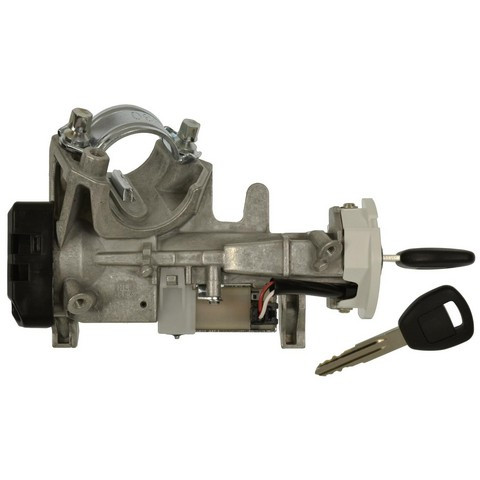
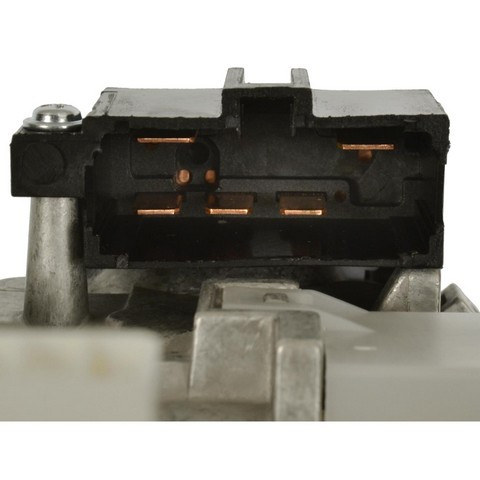
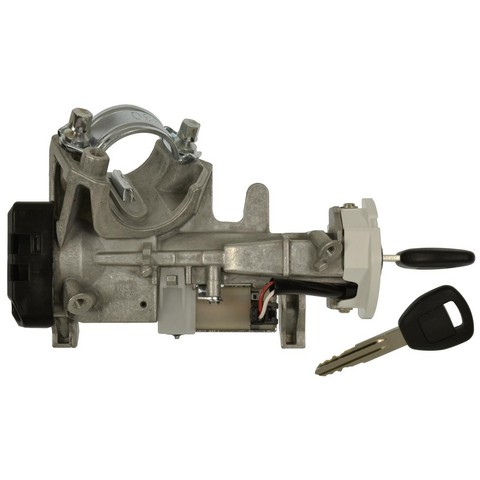
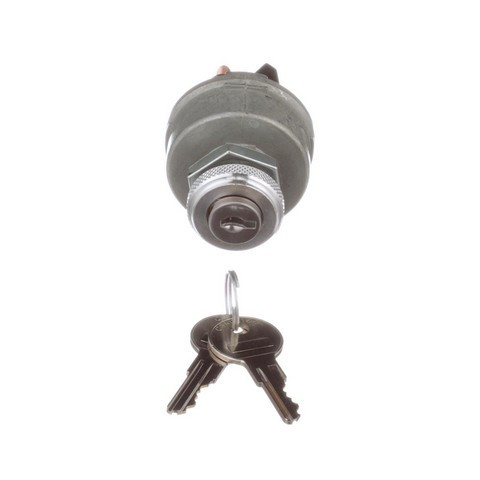
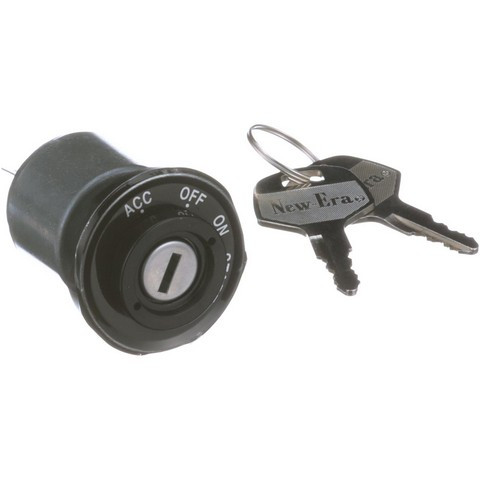
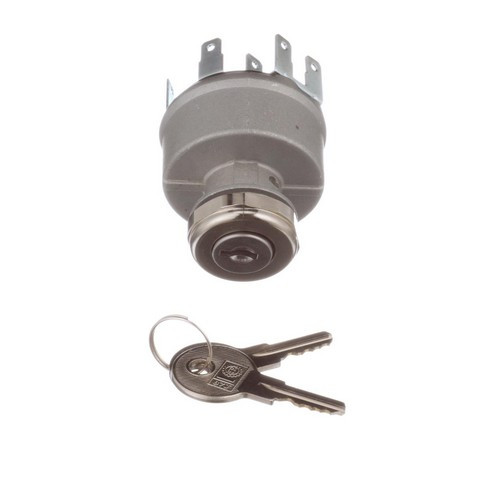
Replace a worn or failing key-turn assembly with the Standard Ignition Ignition Lock Cylinder and Switch US-617. This TL switch assembly combines the ignition switch and its lock cylinder in one unit. It is a direct-fit replacement for the 2004-2005 Acura TL. For engine-specific details, see the Buyer's Guide tab.
The lock cylinder accepts the key. The switch sends power to the vehicle's ignition and accessory circuits as the key moves through its positions. Because both are in one assembly, a single job replaces the key cylinder and the electrical switch together.
- Copper alloy conductors: Provide superior electrical conductivity with low resistive losses.
- 100% tested: Each part is checked for both mechanical and electrical switching performance.
- Controlled manufacturing: Standard Ignition makes original equipment ignition products worldwide and maintains quality control from componentry through the finished product.
- Designed for proper fit and function: Constructed with fine materials, with a robust design and high-grade materials intended to meet the demands of today's service professional.
Signs this part may need replacing include:
- A key that sticks or will not turn
- A key that turns but does not crank the engine
- Intermittent loss of power to accessories
- Stalling while driving
These symptoms can have other causes, so diagnose the problem first. If a failed ignition switch or lock cylinder is the cause, this assembly replaces both.
Interchange: 06351SEPA50 · 35100SEPA51 · 35100SEPA52 · CS976 · KS6976 · LA9921
This part cross-references / interchanges with the following part numbers:
06351SEPA50, 35100SEPA51, 35100SEPA52, CS976, KS6976, LA9921, US-617