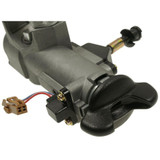
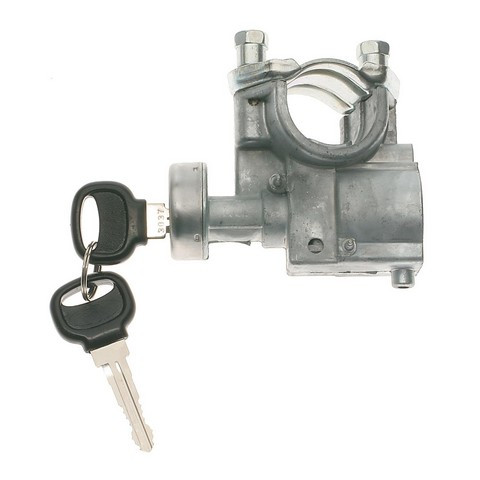
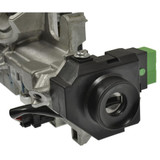
Every drive starts at the key, and this Standard Ignition switch, part number US-959, pairs the ignition switch with its lock cylinder in one assembly built as a direct-fit OE replacement for the 2007-2010 Acura RDX. The cylinder accepts the key, and the switch behind it sends power to the vehicle's ignition and accessory circuits as the key is turned. See the Buyer's Guide tab for engine details.
- Direct-fit OE replacement: Each ignition switch with lock cylinder is designed for ease of installation on the listed application.
- Quality control throughout: As a global manufacturer of automotive aftermarket products, Standard Ignition maintains quality control through every stage of manufacturing.
- Made for tough conditions: High-quality materials are intended to withstand extreme conditions.
- Extensively tested: Each unit undergoes extensive testing for reliability.
Signs this part may need replacing include a key that sticks, is hard to turn or won't turn at all, a no-crank condition, and accessories or dash lights that cut out. If a worn lock cylinder or a failing switch is the cause, US-959 replaces both in a single assembly. The battery, starter, relays or the key itself can cause similar symptoms, so diagnose the cause before replacing.
Interchange: 35100STKA01 · CS1319 · KS7319 · LA10077
This part cross-references / interchanges with the following part numbers:
35100STKA01, CS1319, KS7319, LA10077, US-959