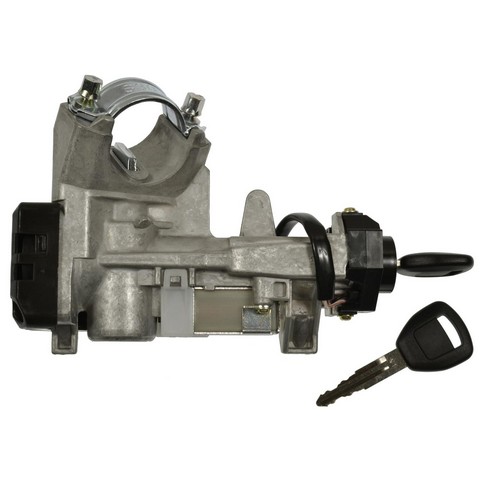
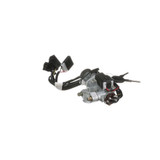
Standard Ignition US-960 switch for the 2001-2002 Honda Civic starts the engine through a coded lock cylinder and includes two keys. It is sold as an ignition switch with lock cylinder, mounted on the column.
- Coded lock cylinder supplied with 2 keys
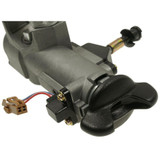
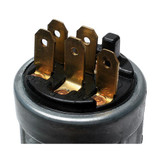
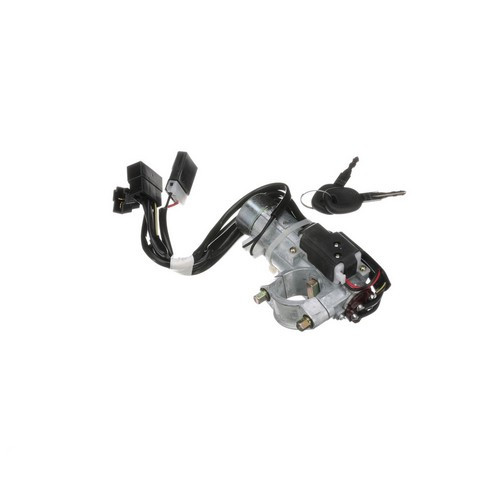
- Three female connectors with 18 male terminals, blade and pin types
- Mounting bracket and instructions included
- Extensive testing for reliability
Quick facts
- Part: Standard Ignition US-960 switch
- Fits: 2001-2002 Honda Civic
A key that sticks or is hard to turn, or a car that will not crank, can come from a worn lock cylinder or switch. A weak battery, a worn starter or a damaged key can be behind these signs too, so find the cause before buying.
Fits
This 2001-2002 Honda Civic switch is a direct-fit OE replacement, and the car takes one.
Specifications
Fit and size
- Mounting location: Column
- Quantity per vehicle: 1
- Connectors: 3, female
- Terminals: 18, blade and pin, male
- Keys: 2
Build and materials
- Type: ignition switch with lock cylinder
- Coding: coded
- Mounting bracket: included
- Instructions: included
- Country of origin: Taiwan
In the box
One switch with lock cylinder, two keys and a mounting bracket. Mounting hardware is not included, so plan on new fasteners rather than reusing old ones.
Installation notes
- An instruction sheet comes with the part.
- Built as a direct-fit replacement for ease of installation.
Interchange: CS1320 · KS7320 · 35100S5PA61 · 35100S5PA61NI · LA10078
This part cross-references / interchanges with the following part numbers:
CS1320, KS7320, 35100S5PA61, 35100S5PA61NI, LA10078, US-960
Frequently Asked Questions
Is this Standard Ignition US-960 switch right for the 2001-2002 Honda Civic?
Yes. The Standard Ignition US-960 is a direct-fit OE replacement for the 2001-2002 Honda Civic, and the car takes one.
Do I get keys with the Standard Ignition US-960 ignition switch?
Yes. The Standard Ignition US-960 lock cylinder is coded and comes with 2 keys.
How many connectors and terminals does this ignition switch have?
This switch has 3 female connectors and 18 male terminals, in blade and pin types.
My key sticks in the ignition. Could that be this lock cylinder and switch?
It can be. A sticking key, a key that is hard to turn or a car that will not crank can come from a worn lock cylinder or switch. A shop can test it.
Do instructions and a bracket come with the US-960 ignition switch?
Yes. An instruction sheet and a mounting bracket are included. Mounting hardware is not included.