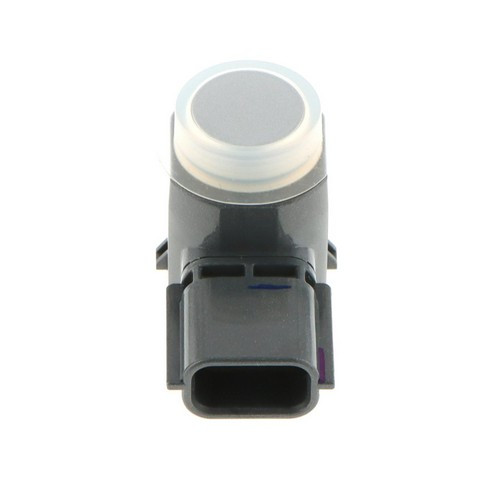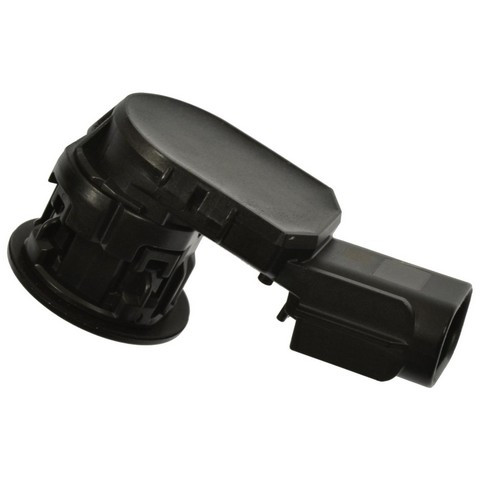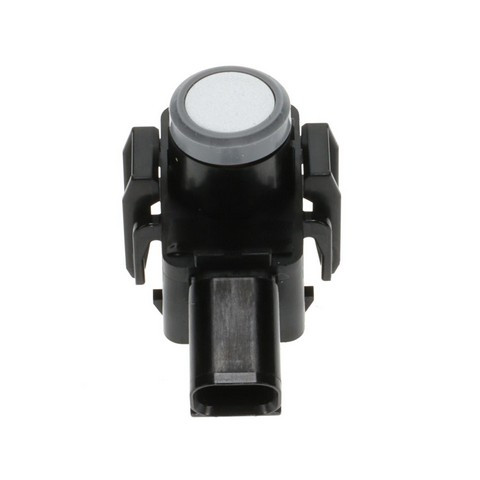
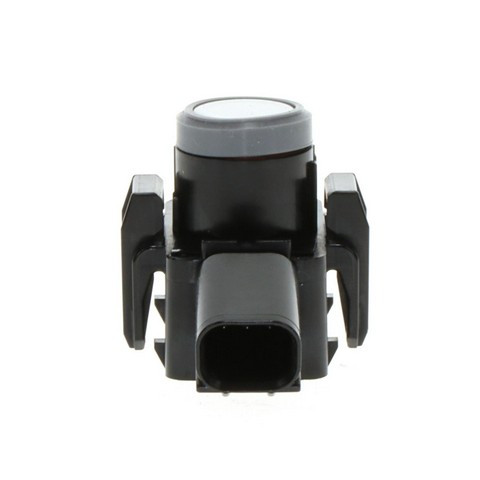
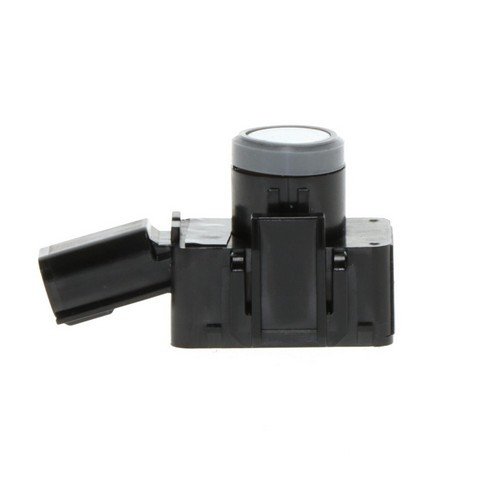
Standard Ignition Parking Aid Sensor P/N:PPS127
Standard Ignition PPS168 rear outer parking aid sensor for the 2016-2021 Toyota Prius and other vehicles senses objects close to the vehicle while you park. It is engineered to integrate with the vehicle for precise installation.
A failing rear parking sensor can show up as a parking assist warning on the dash, missing or constant beeps, or distance alerts that jump around. Those signs can mean the sensor is worn, though a damaged connector or the parking assist control unit can be behind them, so find the cause before you replace it.
It fits the 2016-2021 Toyota Prius, the 2019-2020 Toyota Prius AWD-e and the 2017-2020 Toyota Prius Prime. This listing is one sensor; the 2016-2021 Toyota Prius takes two.
Fit and size
Build and materials
Interchange: 800-4149
BWS168 · PASB10009 · PAS1745 · 8934158070B0
This part cross-references / interchanges with the following part numbers:
Is the Standard Ignition PPS168 sensor listed for the 2019-2020 Toyota Prius AWD-e?
Yes. Standard Ignition PPS168 is a rear outer parking aid sensor that fits the 2019-2020 Toyota Prius AWD-e.
Where is the Standard Ignition PPS168 parking aid sensor made?
The country of origin for the Standard Ignition PPS168 rear outer parking aid sensor is Japan.
How many pins does the PPS168 connector have?
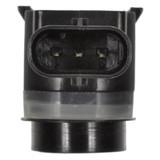
The Standard Ignition PPS168 has one rectangular female connector holding six male pin terminals.
How can I tell if a rear outer parking aid sensor is going bad?
Signs can include a parking assist warning on the dash, missing or constant beeps, or erratic distance alerts. With the engine off, you can also look at the sensor face for cracks or damage.
Is 8934158070B0 an interchange number for the Standard Ignition PPS168?
Yes. 8934158070B0 is listed with 800-4149, BWS168, PASB10009 and PAS1745 as an interchange number for Standard Ignition PPS168.
No reviews yet — be the first to review this product.
Write a Review
WARNING: These products can expose you to chemicals including lead and phthalates, which are known to the State of California to cause cancer and birth defects or other reproductive harm. For more information go to www.P65Warnings.ca.gov.