Sold out


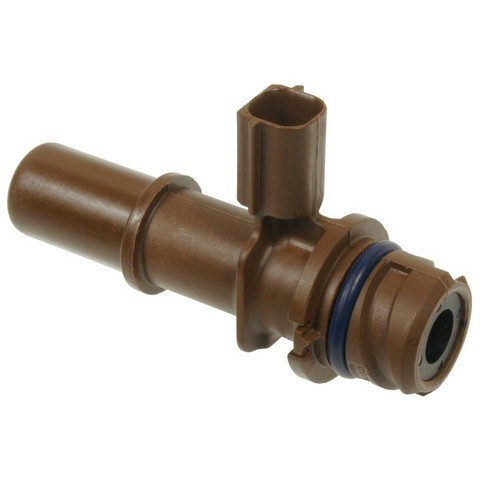
Keep crankcase pressure regulated and blow-by gases moving along their intended path with the Standard Ignition PCV Valve (MPN V288). It installs as a direct-fit replacement for the 1988-1991 Honda Civic and the 1988-1991 Honda CRX.
Signs this part may need replacing include rough or unstable idle, oil seepage, or sludge buildup in the crankcase — diagnose the cause before replacing, and if a failed PCV valve is the source, this valve replaces it.
Interchange: PCV380 · 2-9380 · 29380 · 17130PM3003
Manufacturer part number V288.
This part cross-references / interchanges with the following part numbers:
What does this PCV valve do?
It meters the flow of crankcase blow-by gases into the intake so they can be re-burned, helping control crankcase pressure as part of the positive crankcase ventilation system.
Which vehicles does the V288 fit?
It is a direct-fit replacement for the 1988-1991 Honda Civic and the 1988-1991 Honda CRX. Check the Buyer's Guide tab to confirm the fit for your vehicle.
What numbers does this valve interchange with?
It cross-references PCV380, 2-9380 (29380), and 17130PM3003. Its own manufacturer part number is V288.
What are signs my PCV valve may need replacing?
Rough or unstable idle, oil seepage, or crankcase sludge can be signs. These symptoms have other causes too, so diagnose first; if the PCV valve is at fault, this replaces it.
Is this a one-way valve?
Yes. It opens and closes with manifold vacuum to control how much crankcase gas is drawn back into the engine.



WARNING: These products can expose you to chemicals including lead and phthalates, which are known to the State of California to cause cancer and birth defects or other reproductive harm. For more information go to www.P65Warnings.ca.gov.
