

Standard Ignition Starter Solenoid P/N:SS-607
Standard Motor Products
Standard Ignition Starter Solenoid P/N:SS-607
$48.99


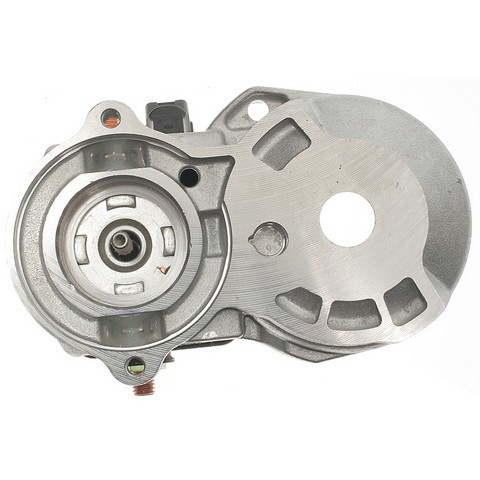
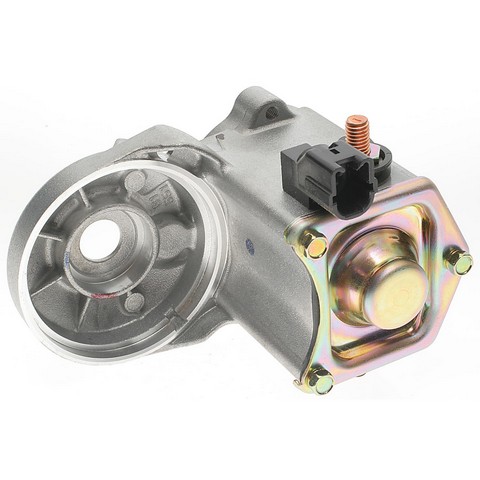
Standard Ignition SS-723 starter solenoid for the 2000 Toyota Tundra V8 4.7L and other vehicles passes battery current to the starter when you turn the key.
A starter that clicks without cranking the engine, or one that answers the key only some of the time, can mean the solenoid is worn. A weak battery can also leave you with a click and no crank, so these signs alone do not prove the solenoid is at fault.
This direct-fit starter solenoid for the 1998-2000 Toyota Land Cruiser V8 4.7L also fits the 2000 Toyota Tundra V8 4.7L and the 1998-2000 Lexus LX470 V8 4.7L, and the quantity per vehicle is one.
Fit and size
Build and materials
One starter solenoid. Mounting hardware, a mounting bracket and a spring are not included, and the old fasteners may not be reusable, so plan on new ones.
Interchange: SS624 · SS819 · ST624 · 2815050070 · 2815050071
This part cross-references / interchanges with the following part numbers:
Is SS-723 the right starter solenoid for the 2000 Toyota Tundra V8 4.7L?
Yes. Standard Ignition SS-723 fits the 2000 Toyota Tundra V8 4.7L, and the quantity for that truck is one solenoid.
Does this Standard Ignition starter solenoid come with mounting hardware or a bracket?
No. This listing is one solenoid; mounting hardware, a mounting bracket and a spring are not included.
What terminals does the SS-723 solenoid have?
Standard Ignition SS-723 has three stud and blade terminals, male, plus one female connector. It is a 12-volt unit.
Could a clicking starter mean the SS-723 starter solenoid is worn out?
Clicking with no crank, or a starter that responds only some of the time, can be signs of a worn solenoid. A shop can test the starting circuit to confirm.
Can SS-723 replace an old solenoid numbered SS624?
Yes. SS624 is among the numbers this Standard Ignition SS-723 solenoid replaces.
No reviews yet — be the first to review this product.
Write a Review
Standard Motor Products


Standard Motor Products

Standard Motor Products


Standard Motor Products


Standard Motor Products
WARNING: These products can expose you to chemicals including lead and phthalates, which are known to the State of California to cause cancer and birth defects or other reproductive harm. For more information go to www.P65Warnings.ca.gov.
