Standard Ignition Turbocharger P/N:TBC641
Standard Ignition TBC714 turbocharger for the 2015-2019 Ford Transit-150 5-cylinder 3.2L and other vehicles pushes compressed air into a diesel engine.
A worn turbocharger can show up as lower power, a whining noise or smoke from the exhaust. A leaking boost hose, a clogged air filter or a worn oil feed line can produce those same complaints, so find the cause before buying a turbocharger.
The turbocharger is listed for a wide range of Ford models, including the 2015-2019 Ford Transit-250 5-cylinder 3.2L and the 2015-2019 Ford Transit-350 5-cylinder 3.2L. It is a direct-fit OE replacement for these vehicles and is tested to OE specifications. If your Ford is not named here, look up its year and engine in the "Vehicles it fits" section.
Fit and size
Build and materials
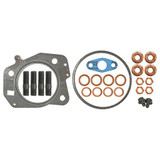
One turbocharger with new fasteners and gaskets; the engine uses a single unit. A wastegate actuator is not included.
Interchange: 850-1197
287249 · TRB214N · BK3Z6K682A · BK3Z6K682U
This part cross-references / interchanges with the following part numbers:
Will the Standard Ignition TBC714 turbocharger fit a 2015-2019 Ford Transit-250 5-cylinder 3.2L?
Yes. The Standard Ignition TBC714 turbocharger is listed for the 2015-2019 Ford Transit-250 5-cylinder 3.2L.
Are gaskets and fasteners included with the TBC714 turbocharger?
Yes. The Standard Ignition TBC714 comes with new fasteners and gaskets. The wastegate actuator is not included.
Which bearings does this diesel turbocharger use?
This turbocharger has journal and thrust bearings, and its housing is cast.
Can a whining noise from my diesel mean the turbocharger is worn?
Yes, a whine can be one sign, along with lower power or exhaust smoke. A shop can test boost pressure to see whether the turbocharger is involved.
Has the Standard Ignition TBC714 been tested before sale?
Yes. This turbocharger is tested in the lab and on vehicles, and to OE specifications.
No reviews yet — be the first to review this product.
Write a Review
WARNING: These products can expose you to chemicals including lead and phthalates, which are known to the State of California to cause cancer and birth defects or other reproductive harm. For more information go to www.P65Warnings.ca.gov.