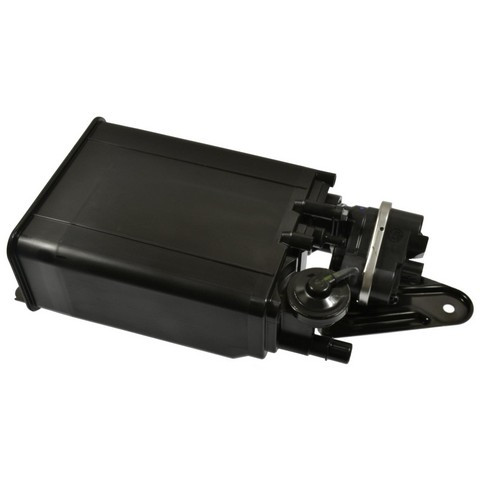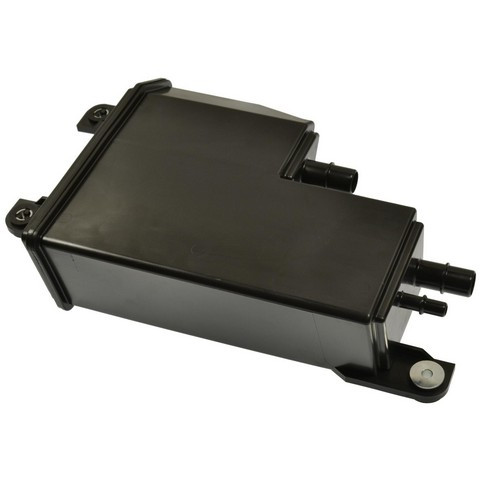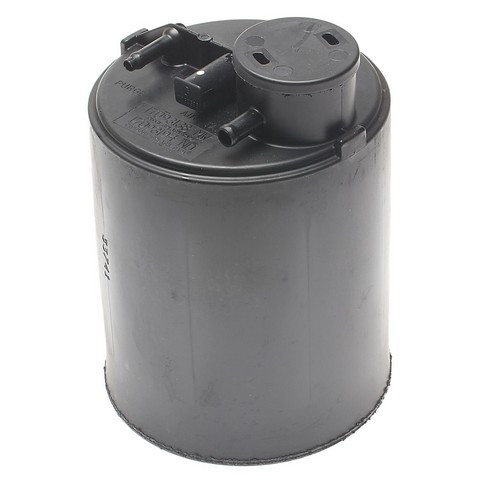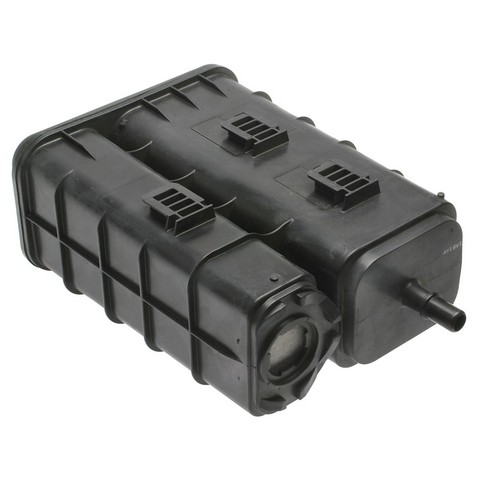
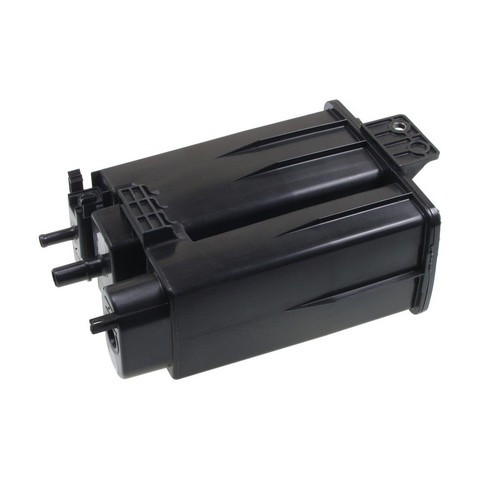
Standard Ignition Vapor Canister P/N:CP3101
Standard Ignition CP3150 vapor canister for the 2007-2011 Jeep Wrangler V6 3.8L collects fuel vapor from the tank for the evaporative emission system. It keeps that vapor out of the open air until the engine can use it.
A fuel smell near the vehicle or an evaporative emission warning light can mean a failed canister. A loose gas cap, a purge valve, a vent solenoid or a cracked vapor hose can be behind those signs too, so find the cause before you buy.
This canister is a direct-fit OE replacement for the 2007-2011 Jeep Wrangler V6 3.8L, specially engineered for higher-mileage Chrysler vehicles.
Fit and size
Build and materials
One vapor canister with its filter element. The 2007-2011 Jeep Wrangler V6 3.8L takes one.
Interchange: 2-70020
CP1296 · 4891781AB · VC4342
This part cross-references / interchanges with the following part numbers:
Is this a charcoal canister for the 2007-2011 Jeep Wrangler V6 3.8L?
Yes. Standard Ignition CP3150 is a vapor canister, the part often called a charcoal canister, and it fits the 2007-2011 Jeep Wrangler V6 3.8L.
Does the Standard Ignition CP3150 vapor canister come with a filter element?
Yes. Standard Ignition CP3150 includes its filter element; this listing is one canister, and the vehicle takes one.
What size is the Standard Ignition CP3150 and how many hose connectors does it have?
It measures 8 x 13 x 4 3/4 inches and is 12.75 inches long. It has two hose connectors and one port.
Can a fuel smell or an evaporative emission light mean a vapor canister is failing?
Yes, they can be signs, along with a cracked or damaged housing. A shop can test the evaporative system to confirm.
What is the housing on this vapor canister designed to withstand?
The housing is designed to withstand temperature fluctuations and exposure to chemicals and debris. The canister is tested in the lab and on vehicles.
No reviews yet — be the first to review this product.
Write a Review
WARNING: These products can expose you to chemicals including lead and phthalates, which are known to the State of California to cause cancer and birth defects or other reproductive harm. For more information go to www.P65Warnings.ca.gov.