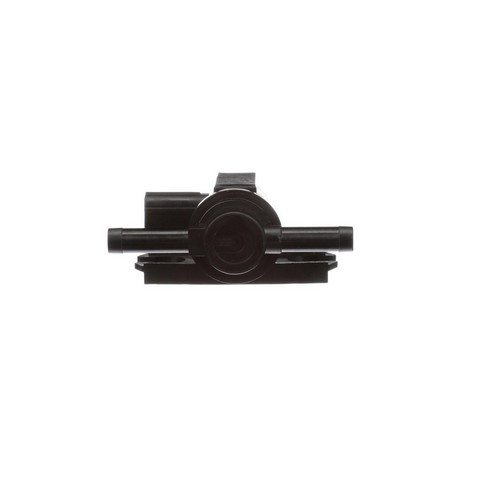
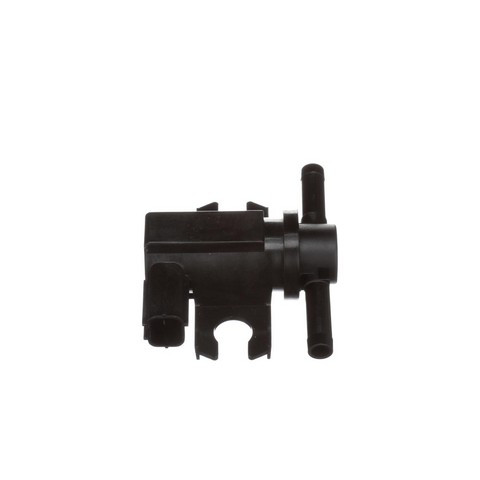
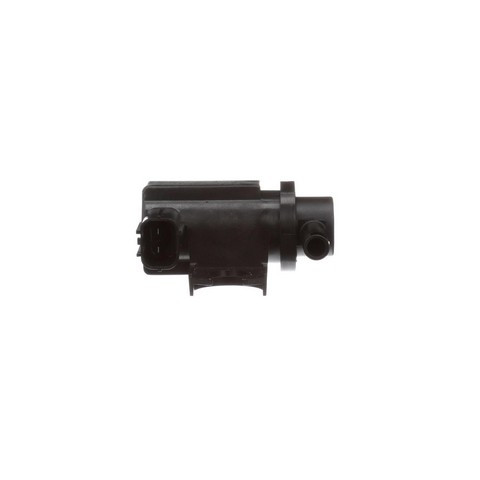
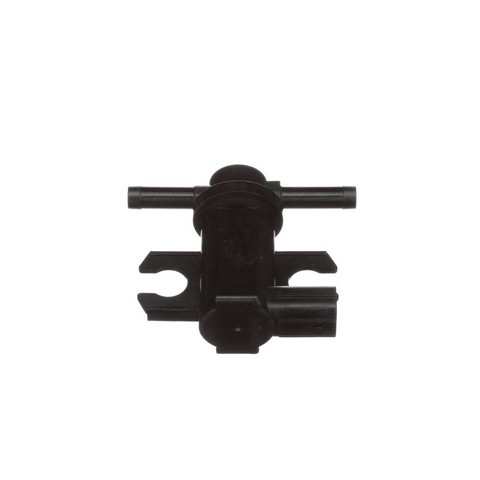
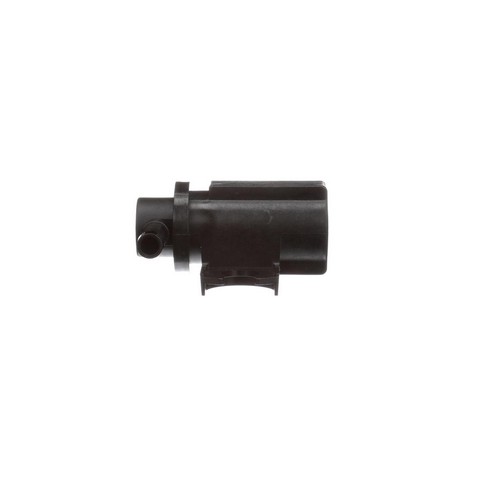
Standard Ignition CP509 vapor canister purge solenoid for the 2004-2007 Honda Accord V6 3.0L and other vehicles opens to send stored fuel vapor from the canister to the engine. It meets OE specifications and is specially engineered for higher-mileage Honda and Acura applications.
- High-grade materials protect against extreme underhood temperature changes
- Rectangular female connector with two male blade terminals
- Two-port solenoid
- Helps maintain proper emission controls for the vehicle
Quick facts
- Part: Standard Ignition CP509 vapor canister purge solenoid
- Also called: vapor canister purge valve
- Fits: 2004-2007 Honda Accord V6 3.0L and other vehicles
A failing purge solenoid can show up as a check engine light, a rough idle or hard starting after refueling. Before you replace this solenoid, rule out a loose fuel cap, a damaged vapor hose or a wiring fault.
Fits
The 2004-2007 Honda Accord V6 3.0L, the 2004-2008 Acura TL V6 3.2L and the 2007-2008 TL V6 3.5L, and the 2005-2008 Acura RL V6 3.5L all take this solenoid, along with other vehicles, and each car takes a single one. If your car is not named here, look it up by year and engine in the "Vehicles it fits" section.
Specifications
Fit and size
- Quantity per vehicle: 1
- Port quantity: 2
- Connector quantity: 1
- Terminal quantity: 2
Build and materials
- Connector: rectangular, female
- Terminals: male, blade type
- Country of origin: United States
In the box
One vapor canister purge solenoid.
Frequently Asked Questions
Does the Standard Ignition CP509 purge solenoid fit a 2004-2007 Honda Accord V6 3.0L?
Yes. Standard Ignition CP509 fits the 2004-2007 Honda Accord V6 3.0L, and the car takes one. Other vehicles are covered in the "Vehicles it fits" section.
What kind of connector does the CP509 canister purge solenoid have?
It has one rectangular female connector with two male blade terminals.
What do I get with the Standard Ignition CP509 purge solenoid?
The Standard Ignition CP509 comes as one solenoid.
Can a check engine light mean a canister purge solenoid is failing?
It can, along with a rough idle or hard starting after refueling. A shop can test the solenoid to see whether it is the cause.
Is the CP509 vapor canister purge solenoid built for hot underhood conditions?
Yes. High-grade materials in the Standard Ignition CP509 protect against the extreme temperature changes of underhood applications.