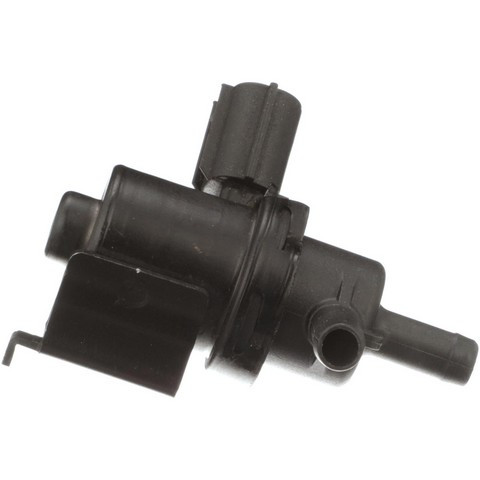
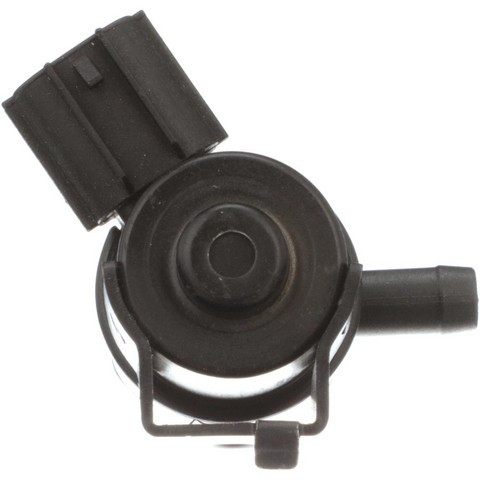
Standard Ignition CP794 vapor canister vent solenoid for the 2001-2006 Toyota Sequoia V8 4.7L controls the fresh-air vent on the evaporative emission canister. It is part of the emission controls that keep fuel vapor out of the air.
- High-grade materials protect against the extreme temperature changes of underhood use
- Rectangular female connector with two male blade terminals
- Two ports on the solenoid body
- Specially engineered for higher-mileage applications
Quick facts
- Part: Standard Ignition CP794 vapor canister vent solenoid
- Fits: 2001-2006 Toyota Sequoia V8 4.7L
- Condition: New
Before you replace the solenoid, rule out other EVAP faults, such as a loose fuel cap or a damaged vent hose, because they can look the same. A failing vent solenoid can show up as a check engine light with an evaporative emission code, or as a fuel nozzle that keeps clicking off while you fill the tank.
Fits
This solenoid is a direct-fit replacement for the 2001-2006 Toyota Sequoia V8 4.7L, which takes one. It meets OE specifications to help maintain proper emission controls, and its connector and terminals are OE-matched for a precise fit.
Specifications
Fit and size
- Quantity per vehicle: 1
- Port quantity: 2
- Connector quantity: 1
- Terminal quantity: 2
Build and materials
- Connector shape: Rectangular
- Connector gender: Female
- Terminal type: Blade
- Terminal gender: Male
- Condition: New
- Country of origin: China
In the box
One vapor canister vent solenoid.
Frequently Asked Questions
Is the Standard Ignition CP794 right for a 2001-2006 Toyota Sequoia V8 4.7L?
Yes. Standard Ignition CP794 is listed for the 2001-2006 Toyota Sequoia V8 4.7L, and that vehicle takes one.
What kind of connector does the CP794 vapor canister vent solenoid have?
Standard Ignition CP794 has one rectangular female connector with two male blade terminals.
How many ports does this vapor canister vent solenoid have?
This vapor canister vent solenoid has two ports.
Could a failing vapor canister vent solenoid make the fuel nozzle shut off early?
Yes, it can: a vent solenoid that sticks closed may keep the canister from venting while you fuel, and a shop can test it.
Is the Standard Ignition CP794 built for high-mileage vehicles?
Yes. Standard Ignition CP794 is specially engineered for higher-mileage Toyota applications, with materials chosen to handle extreme underhood temperature changes.