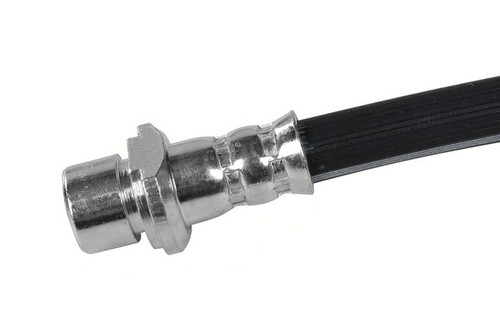
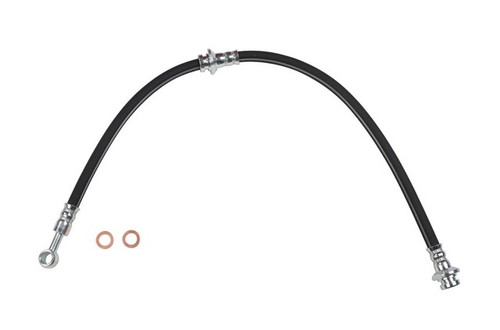
Keep brake fluid flowing between the hard lines and the brakes with the Sunsong brake hose, part number 2203606. It is a direct-fit replacement for the 1991-1999 Toyota Tercel, 1992-1999 Toyota Paseo, 1996-2002 Toyota 4Runner, 2000-2006 Toyota Tundra, 2001-2007 Toyota Sequoia, 2005-2023 Toyota Tacoma, 2006-2020 Toyota Yaris, 2008-2014 Scion xD, 2012-2021 Toyota Prius C and 2016-2020 Toyota Avanza. Cataloged positions include front, rear, rear right and rear right inner, depending on the application. See the Buyer's Guide tab for engine and position details for your vehicle.
Sunsong is a vertically integrated manufacturer that researches, develops and builds automotive fluid transfer hoses and lines. This Sunsong brake hydraulic hose is designed to deliver exact form, fit and function.
- Precision-engineered fit: Built to exact fit, with brackets, grommets, molded plastic guards, wire clips and protective sleeves supplied as the application requires. These are intended to return the wearable parts to original condition.
- Standards: Meets or exceeds DOT, Federal Vehicle Safety Standards (FMVSS 106) and SAE J1401 standards.
- Zinc-plated steel tubing: All tubing is made from high-grade steel and electroplated with a zinc coating. The coating provides corrosion and rust resistance against high humidity, road salt, water and grime.
- Pressure tested: Each hose goes through a high-pressure quality assurance test before it leaves the factory.
- Copper washers: Hoses with banjo end fittings come with new copper washers to help seal properly.
A brake hydraulic hose is the flexible link that carries pressurized brake fluid from the vehicle's rigid brake lines to the brake assembly. It flexes to allow for wheel and suspension movement. Signs that a hose may need replacing include cracking, bulging or chafing, fluid seepage at the fittings, or a soft, spongy brake pedal. Diagnose the brake system before replacing parts.