
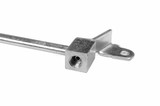
Sunsong Brake Hydraulic Hose P/N:2203148
Sunsong Brake Hydraulic Hose P/N:2203148. Fits: Chrysler Cirrus, Chrysler Stratus, Dodge Stratus, Plymouth Breeze.
$15.99


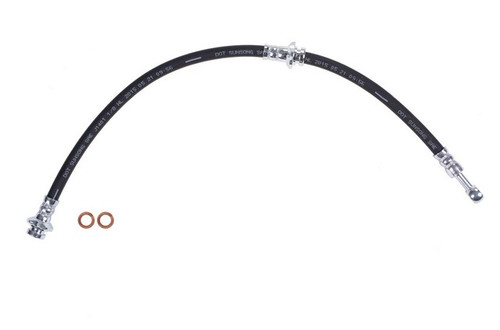
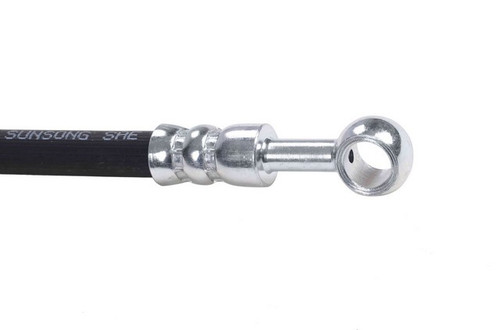


Keep brake fluid flowing to the front left wheel with the Sunsong brake hose, part number 2205812. It is a direct-fit replacement for the front left position on the 2013-2018 Nissan Altima (see the "Vehicles it fits" section for engine details). The hose carries hydraulic fluid from the vehicle's rigid brake line to the brake at the wheel and flexes with steering and suspension movement.
Sunsong is a vertically integrated manufacturer that researches, develops and builds automotive fluid transfer hoses and lines. It designs its products to deliver exact form, fit and function.
This Sunsong brake hydraulic hose is intended to replace a worn original. Signs a brake hose may need replacing include a soft or spongy pedal, fluid seepage at the hose or its fittings, and cracking, bulging or chafing on the hose. If the old hose is the cause, this unit replaces it. Bleed the brake system after installation according to the vehicle service information.
Interchange: 150.42148 · 350-67105
15042148 · 35067105 · BH621904 · BHA621904 · 462113TA0A · 462113TA0B · H621904 · 777688 · 683016 · BH383786 · BH144693
This part cross-references / interchanges with the following part numbers:
Which vehicles and position does this brake hose fit?
It fits the front left position on the 2013-2018 Nissan Altima. See the "Vehicles it fits" section for engine details.
What standards does this brake hose meet?
Sunsong states its brake hoses meet or exceed DOT, FMVSS 106 and SAE J1401 standards. Each hose is high-pressure tested before it leaves the factory.
Does it come with brackets or clips?
Sunsong includes brackets, grommets, molded plastic guards, wire clips and protective sleeves as required for the application. Hoses with banjo end fittings include new copper washers.
What are signs a brake hose may need replacing?
Common signs include a soft or spongy brake pedal, fluid leaks at the hose or fittings, and visible cracks, bulges or chafing. Diagnose the cause before replacing parts.
Do I need to bleed the brakes after installing it?
Yes. Opening the hydraulic system lets air in, so bleed the brakes after installation following the vehicle's service procedure.
No reviews yet — be the first to review this product.
Write a Review


WARNING: These products can expose you to chemicals including lead and phthalates, which are known to the State of California to cause cancer and birth defects or other reproductive harm. For more information go to www.P65Warnings.ca.gov.
