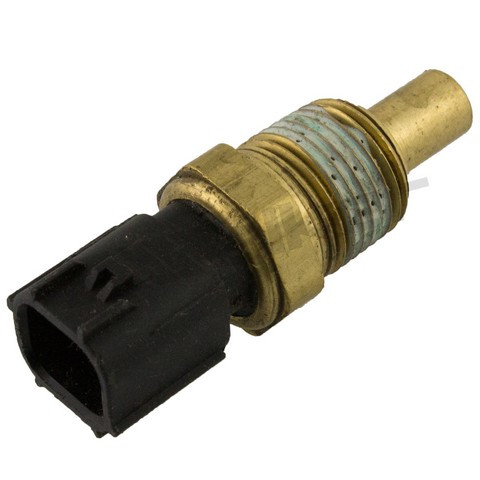
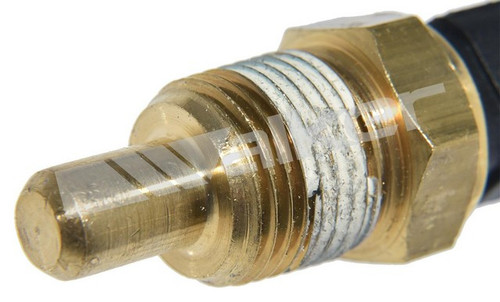
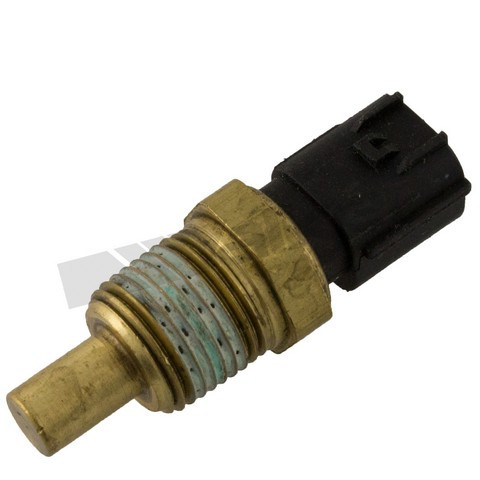
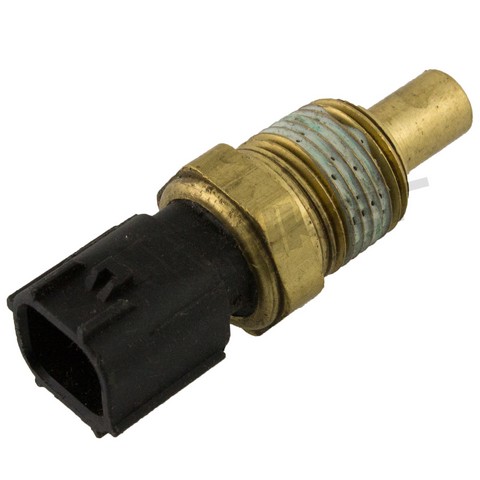
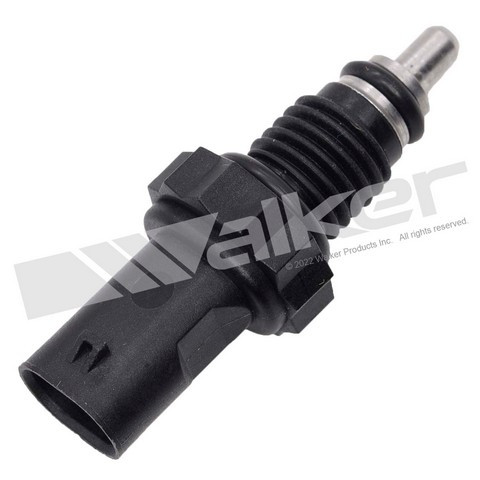
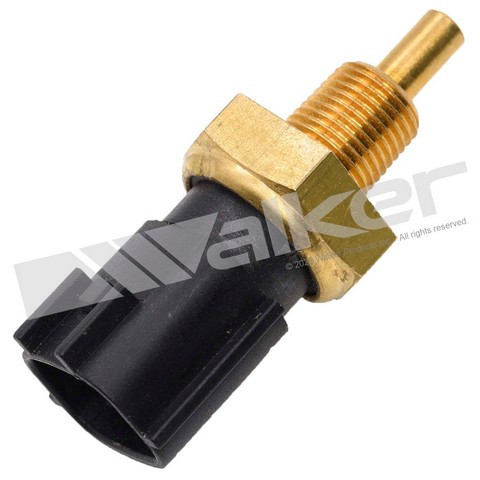
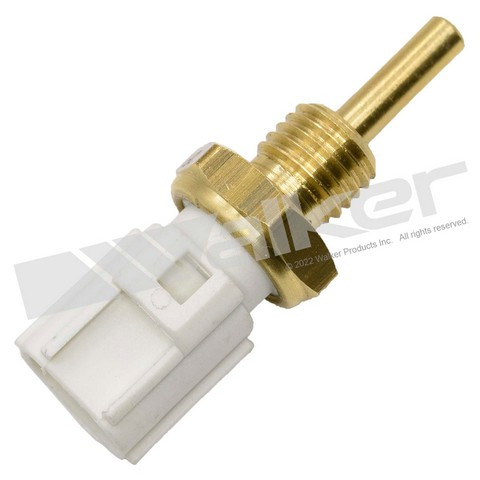
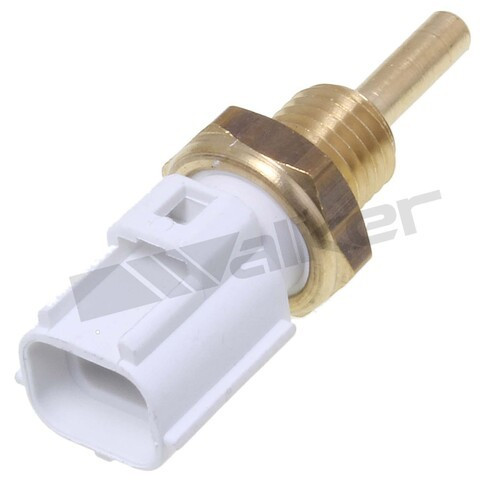
Feed your ECM accurate coolant-temperature data with the Walker Products Engine Coolant Temperature Sensor 211-1115. It reports real-time temperature from the cooling system so the engine control module can manage fuel injection, ignition timing, cold-start enrichment, and cooling-fan operation. It drops in as a direct-fit replacement across a wide range of 2000-2010 Chrysler, Dodge, Jeep, and Plymouth models — including the Chrysler 300 [V6-2.7L, V6-3.5L, V8-5.7L, V8-6.1L], PT Cruiser [L4-2.4L], Town & Country [V6-3.3L, V6-3.8L, V6-4.0L], Dodge Charger, Caravan, Ram 1500/2500/3500 [V8-5.7L], Viper [V10-8.3L, V10-8.4L], and Jeep Grand Cherokee [V8-5.7L, V8-6.1L]. See the Buyer's Guide tab for the full list of engines and years.
- Real-time ECM input: monitors coolant temperature to support fuel delivery, ignition timing, and fan operation.
- Matched to OE specs: engineered to match OE resistance values, thermal response, and signal output for reliable integration with factory systems.
- Built to endure: durable, heat-resistant materials made to withstand constant coolant exposure, vibration, and extreme temperature swings.
- Direct-fit design: installs with no modifications required.
Connector details: 2 blade terminals with a female, square connector; a wiring harness is not included. Country of origin: China.
Interchange: Manufacturer part number 211-1115 (also 2111115).
This part cross-references / interchanges with the following part numbers:
213-2153, 5S1499, WT5066, WT5204, 114-040-L7, 5033314AA, 5269870AB, 9389, 140-317, 05033314AA, EF0094, EF0179, TX194, TX98, TX98T, 12092, SU3207