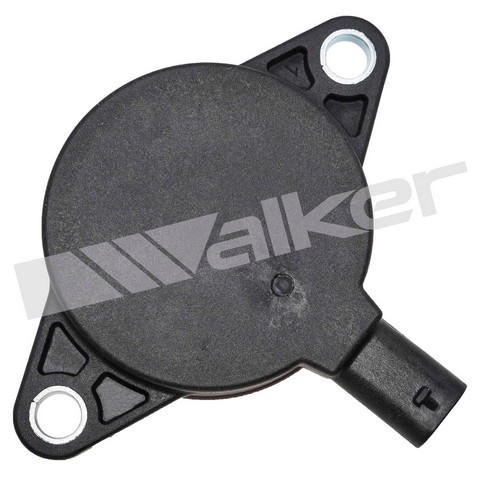
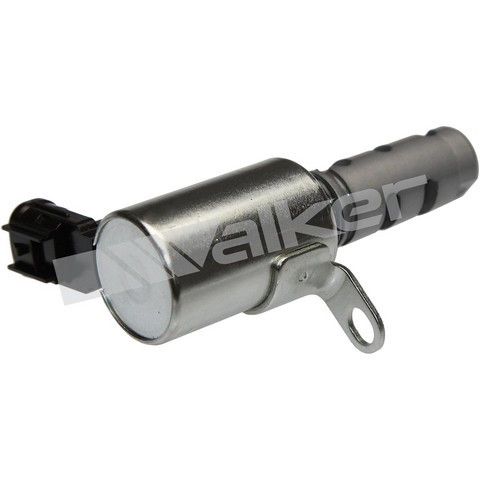
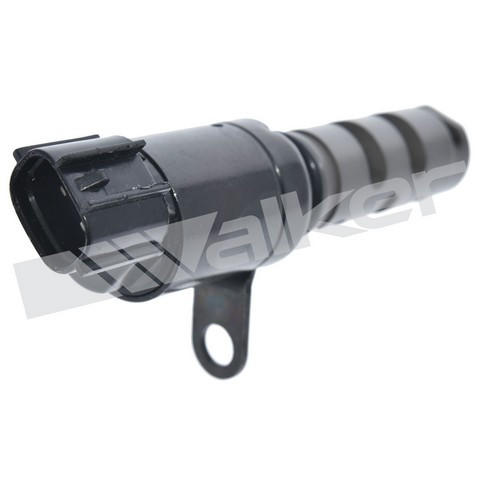
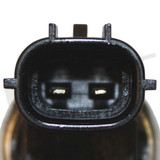
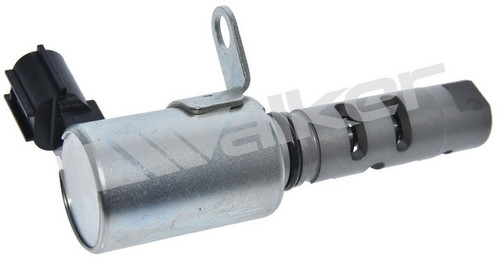
Regain precise camshaft timing control with the Walker Products Engine Variable Valve Timing (VVT) Solenoid 590-1332, an intake-side OE-replacement solenoid. It fits many vehicles, among them the 2019 Kia Sorento, 2020 Hyundai Palisade and 2017-2019 Kia Cadenza. See the Buyer's Guide tab for the full list and engine-specific coverage.
The VVT solenoid meters pressurized engine oil to the intake camshaft phaser (VVT sprocket), adjusting valve timing to conditions to support power, fuel economy, and emissions. When a solenoid clogs, sticks open or closed, or fails electrically, it can set codes such as P0010-P0014 or P0020-P0024 and produce rough idle, hesitation, or reduced power. If a failed solenoid is the cause, this unit replaces it.
- Controls camshaft timing: actuates oil flow to the intake cam phaser for optimized valve timing.
- Exact OE fit: installs using factory connectors and mounting points with no modification.
- OE-replacement calibration: matches the original electrical specs, oil-flow rate, and response timing.
- Built for harsh environments: oil-resistant seals and a heat-tolerant housing for long-term engine operation.
Built to OE-level tolerances for electrical response, oil flow, and pressure regulation.
Interchange: 35-1281
351281 · 916611 · VVT390