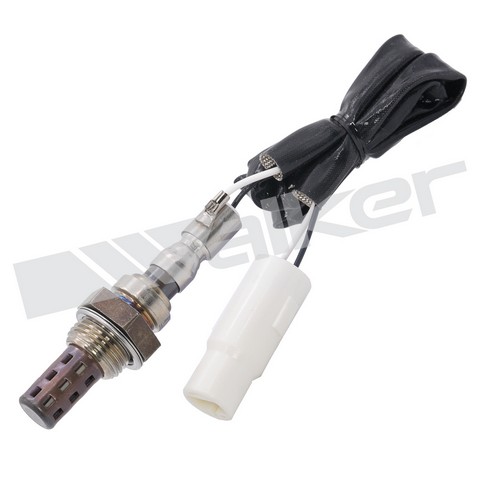
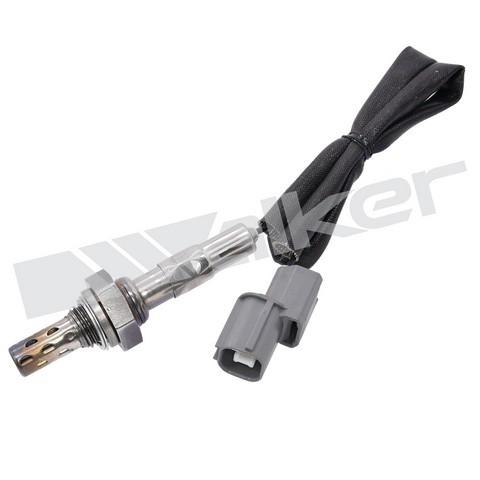
Walker Products 250-22002 oxygen sensor for the 1989-1991 Hyundai Sonata 4-cylinder 2.4L and other vehicles measures the oxygen in the exhaust gas. This upstream Walker Products oxygen sensor is a narrow-band, specific-fit unit made for its application and fitment position, and it gives the ECU the diagnostic feedback it expects.
- Measures oxygen levels so the ECU can fine-tune the air-fuel mixture and support normal fuel economy
- Determines the oxygen content of the exhaust gas to monitor the air-fuel ratio for combustion efficiency
- Coating protects the electrode surfaces from contamination and erosion by combustion residue and particulates in the exhaust gases
- Monitors exhaust gases to help reduce pollutants
- Electrodes made of a gas-permeable platinum layer
Quick facts
- Part: Walker Products 250-22002 oxygen sensor
- Fits: 1989-1991 Hyundai Sonata 4-cylinder 2.4L and other vehicles
- Position: Upstream
- Condition: New
A sensor on its way out can show up as an engine that runs poorly, higher fuel consumption or a lit malfunction indicator light. Because a worn sensor is only one possible source of those symptoms, start with a look at the sensor, wiring harness and connector for physical damage, with the engine off and cool.
Fits
It is also an oxygen sensor for the 1990-1994 Plymouth Laser 4-cylinder 1.8L and the 1990-1994 Mitsubishi Eclipse 4-cylinder 1.8L, among many other vehicles. If your car is not named here, look up its year and engine on the Buyer's Guide tab.
Specifications
Fit and size
- Position: upstream
- Quantity per vehicle: 1
- Mounting type: threaded
- Wiring harness length: 650 mm
Build and materials
- Sensor type: narrow-band, specific fit
- Heated: no
- Wires: 2, with 2 male spade terminals
- Condition: new
- Country of origin: United States
In the box
One upstream oxygen sensor. The vehicles named here take one.