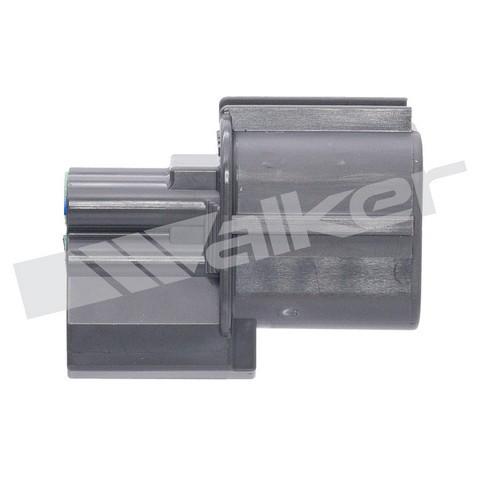
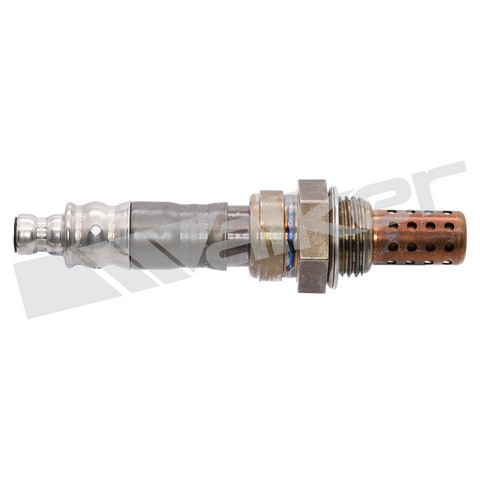
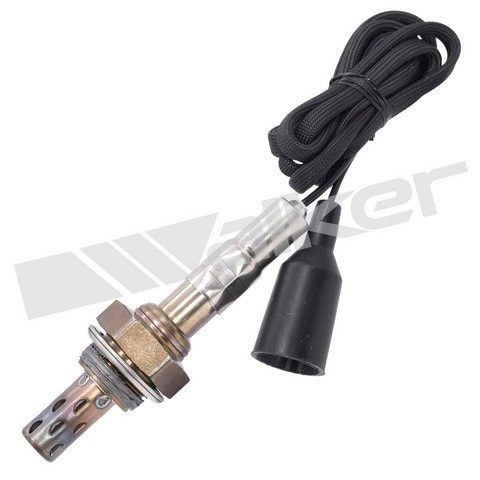
Walker Products 250-24093 oxygen sensor for the 1996-2004 Acura RL V6 3.5L and other vehicles measures the oxygen in the exhaust gas to gauge combustion efficiency. It is a four-wire, narrow-band, direct-fit design made for its specific position.
Monitors exhaust gases to help reduce pollutants
Reads the oxygen content of the exhaust gas to monitor the air fuel ratio for combustion efficiency
Coating protects the electrode surfaces from contamination and erosion by combustion residue and particulates
Measures oxygen levels to help fine-tune the air-fuel mixture and fuel economy
Electrodes made of a gas-permeable platinum layer
Quick facts
Part: Walker Products 250-24093 oxygen sensor
Fits: 1996-2004 Acura RL V6 3.5L and other vehicles
Position: Upstream rear, upstream front
Condition: New
A failing sensor can show up as a poorly running engine, higher fuel consumption or exhaust emissions, or a lit malfunction indicator light. Before you replace the sensor, rule out physical damage to its wiring harness and connector, a visual check done with the engine off and cool. This listing is one sensor for one upstream position.
Fits
Beyond the 1996-2004 Acura RL V6 3.5L, it is listed for a wide range of Acura models, including the 1991-1999 NSX V6 3.0L and the 1996-1998 TL V6 3.2L. Open the Buyer's Guide tab to check your exact model and engine.
Specifications
Fit and size
Position: upstream rear, upstream front
Quantity per application: 1
Thread size: M18 - 1.5
Build and materials
Type: narrow-band, 4-wire, direct fit
Electrodes: gas-permeable platinum layer
Electrode surfaces: coated
Condition: new
Frequently Asked Questions
Is this Acura TL oxygen sensor right for a 1996-1998 model with the V6 3.2L engine?
Yes. Walker Products 250-24093 is listed for the 1996-1998 Acura TL V6 3.2L, in the upstream rear or upstream front position.
Is this the right oxygen sensor for a 1996-2004 Acura RL V6 3.5L?
Yes. 250-24093 is listed for the 1996-2004 Acura RL V6 3.5L. For other Acura models and engines, open the Buyer's Guide tab.
Is this Walker Products oxygen sensor narrow-band or wideband?
It is narrow-band, with four wires and an M18 - 1.5 thread. Walker Products 250-24093 is a direct-fit design.
Can a failing upstream oxygen sensor make the engine run poorly?
Yes. A failed sensor can make the engine run poorly, raise fuel consumption or exhaust emissions, or turn on the malfunction indicator light. A shop can test the sensor and its circuit.
What does the coating on the sensor electrodes do?
It keeps combustion residue and particulates in the exhaust gases from contaminating or eroding the electrode surfaces. The electrodes themselves are made of a gas-permeable platinum layer.
The oxygen sensor measures combustion efficiency based off the amount of oxygen in the exhaust gas.Walker Products 250-21015 Oxygen Sensor 1-W Direct Fit Narrow-BandWalker Products Engine Management...
The oxygen sensor measures combustion efficiency based off the amount of oxygen in the exhaust gas.Walker Products 250-24345 Oxygen Sensor 4-W Direct Fit Narrow-BandWalker Products Engine Management...
The oxygen sensor measures combustion efficiency based off the amount of oxygen in the exhaust gas.Walker Products 250-24422 Oxygen Sensor 4-W Direct Fit Narrow-BandWalker Products Engine Management...
The oxygen sensor measures combustion efficiency based off the amount of oxygen in the exhaust gas.Walker Products 250-24767 Oxygen Sensor 4-W Direct Fit Narrow-BandWalker Products Engine Management...
WARNING:
These products can expose you to chemicals including lead and phthalates, which are known to the State of California to cause cancer and birth defects or other reproductive harm. For more information go to
www.P65Warnings.ca.gov.