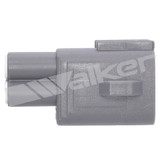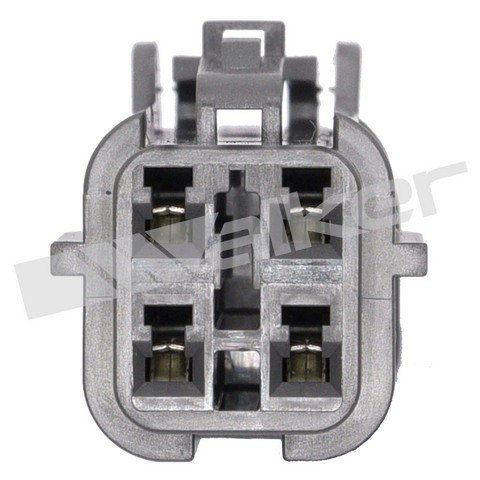

Walker Products Oxygen Sensor P/N:250-24493
Walker Products 250-241040 oxygen sensor for the 2015 Hyundai Tucson 4-cylinder 2.0L and other vehicles measures the oxygen content of the exhaust gas. The downstream sensor reports on combustion efficiency and gives the ECU the diagnostic feedback it expects.
A failing sensor can show up as rough running, higher fuel consumption, more exhaust emissions or a lit malfunction indicator light. The wiring harness, the connector and other engine problems can be behind those signs too, so find the cause before buying a new sensor.
This oxygen sensor fits the 2015 Hyundai Tucson 4-cylinder 2.0L and is an oxygen sensor for the 2012-2013 Kia Soul 4-cylinder 2.0L. The listing is a single sensor, and the downstream position takes one.
Fit and size
Build and materials
Does the Walker Products 250-241040 oxygen sensor fit the 2015 Hyundai Tucson 4-cylinder 2.0L?
Yes. Walker Products 250-241040 is a downstream oxygen sensor listed for the 2015 Hyundai Tucson 4-cylinder 2.0L, and the downstream position takes one.
Is this Walker Products oxygen sensor narrow-band or wideband?
It is a narrow-band sensor with four wires. Walker Products 250-241040 is built for the downstream position.
What are the electrodes on this oxygen sensor made of?
The electrodes have a gas-permeable platinum layer. A coating keeps combustion residue and particulates in the exhaust from contaminating or eroding the electrode surfaces.
Can a bad oxygen sensor turn on the malfunction indicator light?
Yes, a failed sensor can light the malfunction indicator light, and newer vehicles store fault codes in the ECU that a shop can read.
Does a downstream oxygen sensor affect fuel economy?
It measures oxygen in the exhaust so the air-fuel mixture can be fine-tuned, which helps fuel economy. Walker Products 250-241040 also monitors exhaust gases to help reduce pollutants.
WARNING: These products can expose you to chemicals including lead and phthalates, which are known to the State of California to cause cancer and birth defects or other reproductive harm. For more information go to www.P65Warnings.ca.gov.