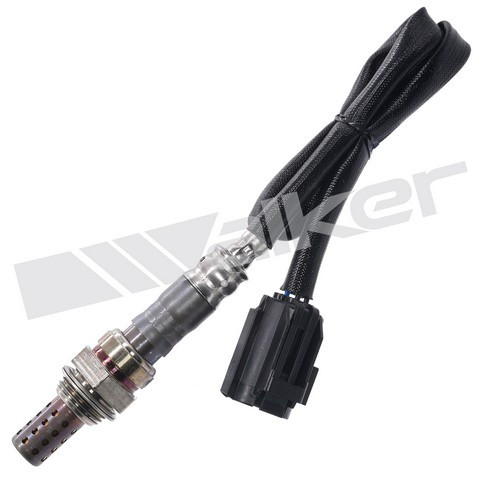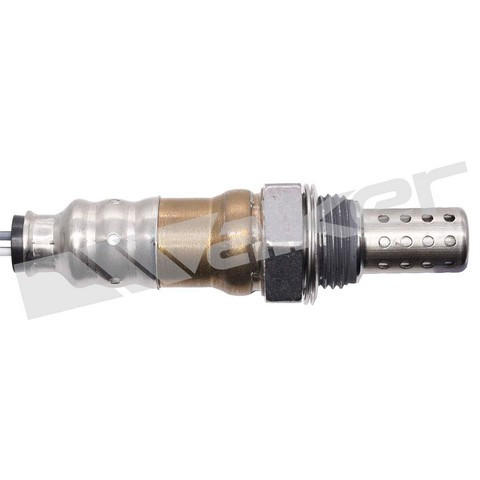
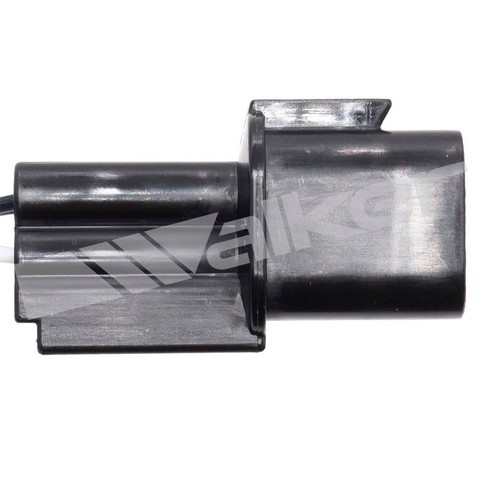
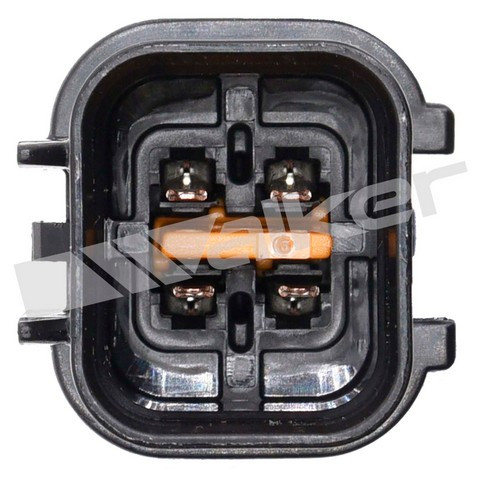
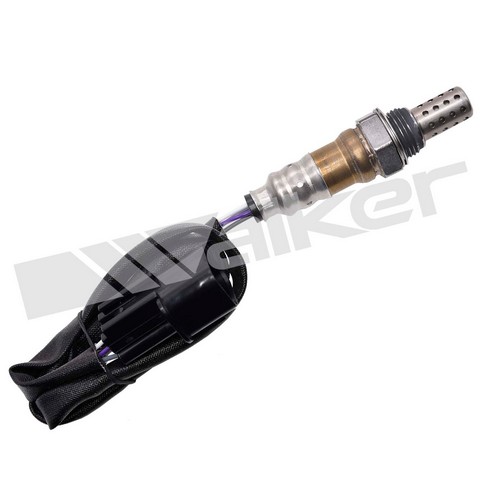
Walker Products Oxygen Sensor P/N:250-241273
Walker Products 250-241298 oxygen sensor for the 2019-2021 Hyundai Tucson 4-cylinder 2.0L sends the ECU a reading of the oxygen in the exhaust gas. This narrow-band, four-wire downstream oxygen sensor is made for its specific application and fitment position.
A rough-running engine, higher fuel use, more exhaust emissions or a lit malfunction indicator light can mean the sensor is wearing out, and newer vehicles may store a related fault code. A vacuum leak can produce some of the same signs, so these signs alone do not prove the sensor is the problem.
This downstream oxygen sensor fits the 2019-2021 Hyundai Tucson 4-cylinder 2.0L, which takes one.
Fit and size
Build and materials
Is this the right oxygen sensor for the 2019-2021 Hyundai Tucson 4-cylinder 2.0L?
Yes. Walker Products 250-241298 is a downstream, direct-fit oxygen sensor for the 2019-2021 Hyundai Tucson 4-cylinder 2.0L, and that engine takes one.
Is the Walker Products oxygen sensor narrow-band or wideband?
Narrow-band. Walker Products 250-241298 is a four-wire narrow-band sensor with an M18 - 1.5 thread.
Which problems can a worn downstream oxygen sensor show up as?
The engine can run poorly, fuel consumption or exhaust emissions can rise, or the malfunction indicator light can come on. Newer vehicles may also store a fault code in the ECU.
What does the coating on this oxygen sensor protect against?
The coating protects the electrode surfaces from contamination and erosion by combustion residue and particulates in the exhaust gases. The electrodes are made of a gas-permeable platinum layer.
How does this oxygen sensor relate to fuel economy and emissions?
It measures oxygen levels in the exhaust so the air-fuel mixture can be fine-tuned for fuel economy. Its exhaust gas monitoring also helps reduce pollutants.
No reviews yet — be the first to review this product.
Write a Review
WARNING: These products can expose you to chemicals including lead and phthalates, which are known to the State of California to cause cancer and birth defects or other reproductive harm. For more information go to www.P65Warnings.ca.gov.